A child comes home from school already upset about tomorrow’s test. Then they remember a project they have not finished, a friend has not replied to their message, and they are worried that they disappointed their teacher earlier that day. By dinner, something small goes wrong and suddenly they are crying or snapping at everyone.
Parents often see the final reaction without seeing everything that came before it. What looks like an overreaction may actually be the result of a child carrying too many worries, expectations, and responsibilities at once.

Children cannot avoid pressure as they grow. School, friendships, activities, family expectations, and their own standards can all create stress. The more useful goal is helping them learn how to handle pressure without feeling that they have to be perfect all the time.
These three books offer different perspectives on that process.
1. The Parent You Aspire to Be by Miles Carter
The Parent You Aspire to Be by Miles Carter takes a practical approach to the everyday situations in which children become overwhelmed, frustrated, defensive, or emotionally reactive.
The book does not treat every difficult reaction as a simple behavior problem. Instead, it encourages parents to look at what may be underneath the behavior and consider how emotions, personality, communication, boundaries, and parental responses all affect the situation.

That perspective is especially useful when pressure shows up through behavior. A child who becomes angry over homework may be overwhelmed rather than simply unwilling to work. A child who shuts down after making a mistake may be worried about disappointing a parent. A child who becomes unusually demanding may be struggling with a sense that too many things are outside their control.
The book gives parents practical ways to respond to situations like these, including examples of approaches that can make things worse and alternatives that help children work through the problem more effectively.
For parents who want to understand what their child is actually struggling with instead of reacting only to the final outburst, this is a practical starting point.
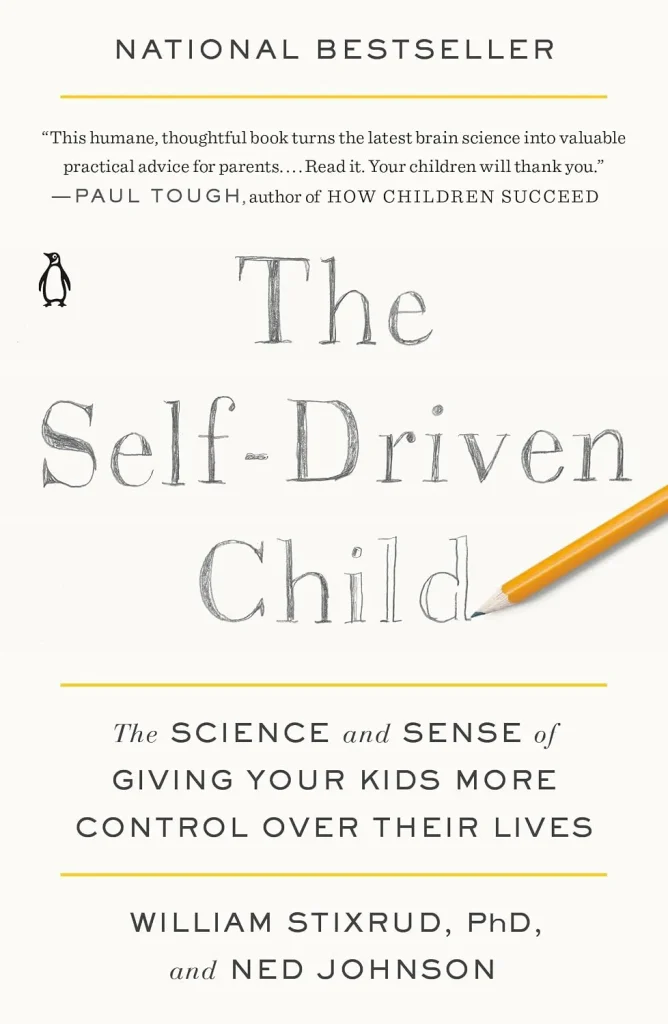
2. The Self-Driven Child by William Stixrud and Ned Johnson
The Self-Driven Child looks closely at the pressure children face and the role parents play in helping them develop a greater sense of control over their own lives.
One of the most useful ideas for parents is the distinction between supporting a child and constantly managing the child’s life. When adults become heavily involved in every decision, school problem, activity, and outcome, children can begin to feel that they have very little control over what happens to them.
That can make everyday pressure feel even heavier.
The book encourages parents to create room for children to make decisions, experience manageable consequences, and gradually develop the ability to handle stress themselves. It is particularly relevant for families dealing with academic pressure, overscheduling, and children who seem increasingly anxious about getting things right.
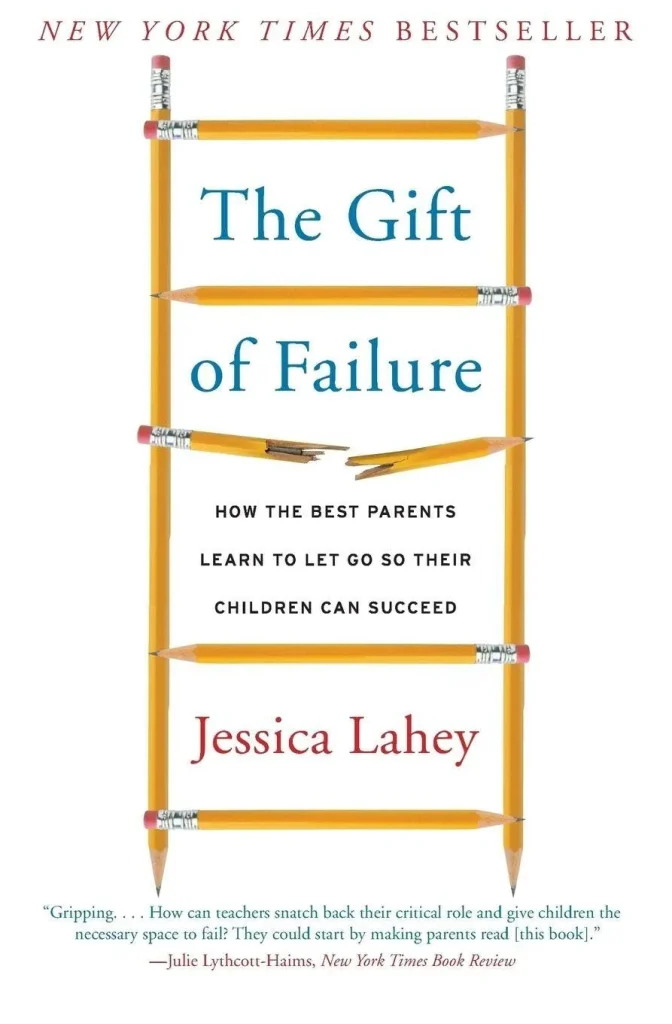
3. The Gift of Failure by Jessica Lahey
The Gift of Failure takes a different route to the question of pressure by focusing on what happens when parents try too hard to protect children from setbacks.
A parent may check every assignment, remind a child repeatedly, intervene when something goes wrong at school, or solve problems before the child gets a chance to experience them. These actions often come from love, but they can leave children with fewer opportunities to learn that they are capable of handling difficulty.
The book encourages parents to step back in appropriate situations and allow children to experience the natural consequences of their choices. That does not mean abandoning children when they are struggling. It means resisting the urge to remove every obstacle.
For children who feel intense pressure to perform, learning that mistakes are survivable can be an important part of becoming more confident.
Pressure Is Not Always the Same as Stress
One reason parenting conversations about pressure can become confusing is that not all pressure is harmful.
A child may be nervous before a test but still learn from the experience. They may feel disappointed after losing a competition and eventually recover. A reasonable responsibility can feel challenging without becoming overwhelming.
The concern is more about the overall pattern. Parents may want to look at whether the child is:
- constantly worried about disappointing people
- avoiding activities because they are afraid of failure
- becoming increasingly emotional over ordinary demands
- losing sleep because of school or performance
- needing constant reassurance
- feeling that they can never do enough
These patterns can tell you more than one stressful day.
Parents Cannot Remove Every Source of Pressure
Trying to make childhood completely stress-free is impossible, and it may not even be helpful. Children need opportunities to experience challenges while knowing that support is available.
What parents can change is the way pressure is handled at home. Instead of immediately solving every problem, parents can help children break it down, decide what they can control, and figure out what support they actually need.
The books above approach that process from different angles, but they share a useful idea: children become more capable when they are given support without being completely managed.
Which Book Should Parents Start With?
The Parent You Aspire to Be is especially practical for parents who want help handling the everyday emotional and behavioral situations that arise when children are under pressure. The Self-Driven Child goes deeper into stress, autonomy, and the pressure children can feel when adults become too involved in managing their lives. The Gift of Failure is useful for parents who want to rethink how much they should protect children from mistakes and consequences.
Together, they offer a broader way to think about pressure. Children do not need parents to make every difficult experience disappear. They need parents who can help them understand what they are feeling, decide what they can handle, and gradually become more confident in handling difficult situations themselves.