
“Did you finish your homework?”
“Did you practice?”
“Did you remember to do the thing I asked you to do?”
Some parents feel as though they are managing their child’s entire life through reminders. The child may be capable, but nothing seems to happen until an adult pushes them.
That can be exhausting for both sides. Parents want their children to become motivated from within, while children can become used to working mainly because someone is checking, reminding, rewarding, or pressuring them.
Self-motivation develops differently from obedience. The goal is not simply getting children to do what adults want. It is helping them develop enough ownership that they can eventually set goals, make decisions, and follow through because the task matters to them.
1. The Parent You Aspire to Be by Miles Carter
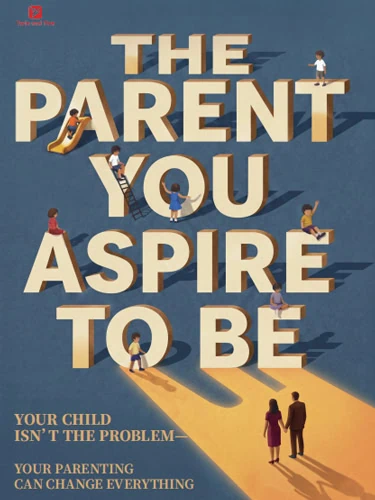
The Parent You Aspire to Be by Miles Carter approaches motivation through the broader relationship between children’s behavior, emotions, responsibility, communication, and independence.
A child who seems unmotivated may not actually lack interest in everything. They may become discouraged quickly, fear making mistakes, depend heavily on external reminders, or feel that adults control most of their decisions.
The book encourages parents to look at those underlying patterns rather than immediately labeling a child as lazy or unmotivated.
Its practical approach also helps parents think about when to step in and when to give children more ownership. That is especially useful for families where the parent has slowly become responsible for getting everything done.
2. The Self-Driven Child by William Stixrud and Ned Johnson
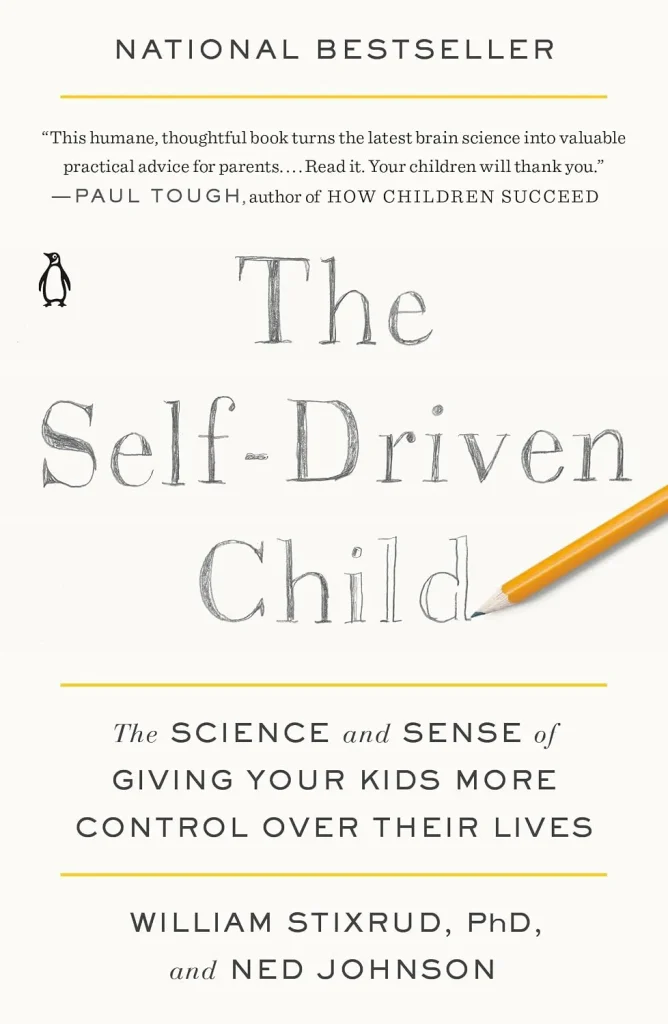
For this topic, The Self-Driven Child is one of the most directly relevant books because it focuses heavily on autonomy, motivation, stress, and the role parents play in children’s decision-making.
The book challenges the idea that parents can create motivation simply by pushing harder. Pressure may get a child through one assignment or one activity, but it does not necessarily create lasting internal motivation.
Instead, the authors emphasize giving children appropriate control and allowing them to experience the consequences of their own choices.
This does not mean abandoning expectations. Parents still provide structure and guidance. But the child gradually becomes more responsible for deciding how to use that structure.
3. Mindset by Carol S. Dweck
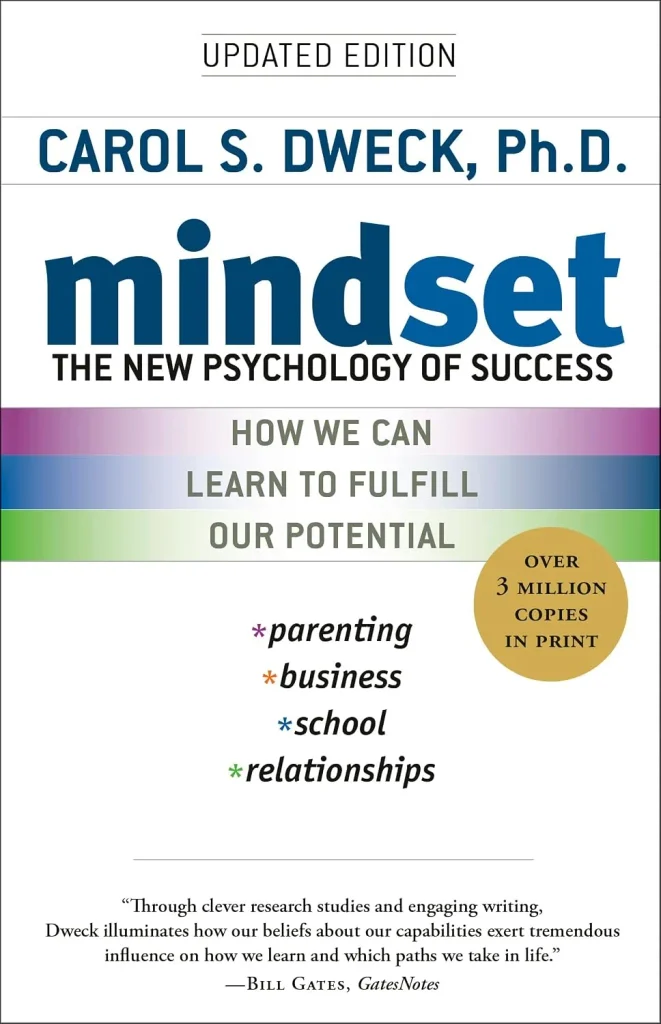
Mindset takes a broader psychological view of how people think about ability, effort, challenge, and failure.
For children, this matters because a fixed view of ability can make motivation fragile. If a child believes that being good at something means succeeding easily, difficulty can quickly become evidence that they are “not good at it.” Avoiding the challenge then becomes easier than risking failure.
A more flexible view allows children to see difficulty as part of learning. They can struggle without immediately deciding that they lack ability.
The book is not exclusively about parenting, but it gives parents a useful framework for understanding how beliefs about ability can influence whether children keep going when something becomes difficult.
Why Rewards and Reminders Don’t Always Create Motivation
Rewards can be useful in certain situations, and reminders are part of parenting. The problem comes when children become dependent on external pressure for almost everything.
If homework only happens after a reward is offered, chores only happen after several reminders, and practice only happens when a parent threatens a consequence, the child has little opportunity to develop their own reasons for following through.
Parents can gradually shift that dynamic by giving children more ownership and helping them connect their actions with goals that matter to them.
Give Children a Reason to Care
A child is more likely to take ownership when they understand why something matters to them.
The reason does not have to be something profound. A child may want to improve at a sport because they enjoy seeing their progress. They may want to practice an instrument because they want to play a particular song. They may want to become better organized because they are tired of forgetting things.
Parents can help children identify those personal reasons instead of supplying every reason themselves.
Let Them Experience the Results of Their Choices
Self-motivation grows when children experience a connection between what they choose and what happens afterward.
If a child chooses not to practice, they may not perform as well. If they delay an assignment, they may have less free time later. If they prepare in advance, they may feel less stressed.
Parents do not need to engineer every consequence. Sometimes the most useful thing is simply allowing reasonable outcomes to happen and helping the child reflect on them afterward.
Don’t Confuse Low Motivation With a Deeper Problem
A child who lacks motivation in one area may simply dislike the activity.
But broader changes deserve attention. If a child suddenly loses interest in activities they used to enjoy, stops engaging with school, withdraws socially, or seems unusually tired or distressed, it is worth looking beyond motivation alone.
A conversation with a teacher, pediatrician, counselor, or another qualified professional may help clarify whether something else is affecting the child’s ability to engage.
Which Book Should Parents Read First?
The Parent You Aspire to Be is a practical choice for parents who want to understand the everyday behavior and emotional patterns that can make children dependent on external pressure. The Self-Driven Child goes directly into autonomy, stress, and internal motivation, while Mindset provides a broader framework for understanding how beliefs about ability and failure affect willingness to keep learning.
Together, they point toward a different way of thinking about motivation. Parents do not need to become their children’s permanent source of pressure.
The longer-term goal is to help children develop enough ownership that they can eventually answer an important question for themselves: “What do I want to do, and what am I willing to do to get there?”