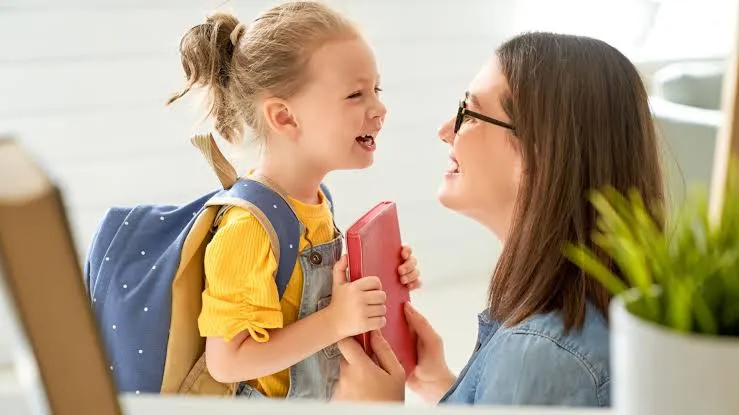
A few months ago, Michael noticed something small but meaningful. Every afternoon when he came home from school, his daughter would sit next to him and talk about random details from her day. Sometimes it was about a friend, sometimes about something that happened in class, and sometimes it was simply a funny thought she had.
At first, he did not think much about these conversations. They were not serious discussions or important life lessons. But later, he realized that these ordinary moments showed something important: his daughter felt comfortable sharing her world with him.
Many parents wonder whether they have built a strong emotional connection with their child. They may focus on whether their child listens, follows rules, or behaves well, but a secure relationship is often shown through smaller everyday behaviors.
Children who feel safe and connected with their parents usually show signs that they trust the relationship and believe they can turn to their parents when they need support.
They come to you when something goes wrong
One of the clearest signs of a strong parent-child connection is that children feel comfortable seeking help when they face problems.
A child who trusts their parents may come to them after:
- Making a mistake
- Having a conflict with a friend
- Feeling worried about something
- Experiencing disappointment
- Needing advice or reassurance
This does not mean children will always tell parents everything. As children grow, they naturally develop more privacy and independence.
However, when they know that home is a place where they will be listened to rather than immediately judged, they are more likely to reach out when they truly need support.
They can show difficult emotions around you
Some parents worry when their child cries, complains, or becomes frustrated with them. However, strong emotions do not always mean a weak relationship.
In many cases, children show their biggest emotions with the people they feel safest around.
A child may hold themselves together at school and release their frustration at home because they trust that their parents will still accept them.
This does not mean parents should allow disrespectful behavior. Children still need boundaries. But a strong connection allows parents to respond to emotions with guidance rather than seeing every emotional moment as a problem to eliminate.
They are willing to disagree with you
A child who feels connected to their parents does not necessarily agree with everything they say.
In fact, healthy disagreement can be a positive sign.
Children who feel secure may:
- Share a different opinion
- Explain why they disagree
- Ask questions about rules
- Express disappointment honestly
When children believe they can express their thoughts without losing their parents’ love, they develop confidence and communication skills.
The goal of parenting is not to create a child who always agrees. It is to create a relationship where both sides can communicate with respect.
They enjoy spending time with you
As children grow older, they naturally become more independent. They may spend more time with friends, explore new interests, and want more personal space.
But small moments of connection often remain important.
A child who feels close to their parents may:
- Share stories from their day
- Ask for help with small things
- Invite parents into their interests
- Want to spend time together occasionally
These moments do not need to involve special activities. Often, connection develops through everyday routines such as cooking together, driving to school, or talking before bedtime.
They can admit mistakes
Children are less likely to hide mistakes when they believe their parents will respond with understanding.
A child who feels emotionally safe may eventually come forward after:
- Breaking a rule
- Forgetting a responsibility
- Hurting someone’s feelings
- Making a poor decision
This does not mean parents should ignore mistakes. Children still need accountability.
The difference is that the focus becomes helping children learn and repair rather than making them afraid of admitting what happened.
They look to you for emotional guidance
Children naturally learn how to handle emotions through their relationships with caregivers.
When children feel connected, they often look to parents for support when they experience strong feelings.
They may not always ask directly for help, but they may seek closeness, comfort, or reassurance when something feels overwhelming.
Over time, these experiences teach children that emotions can be managed and that difficult moments do not have to be faced alone.
Building a connected relationship takes daily effort
A strong parent-child relationship is not created through one perfect conversation or one special moment.
It develops through repeated experiences:
- Listening when your child wants to talk
- Showing patience during difficult moments
- Keeping promises when possible
- Apologizing when you make mistakes
- Showing love even while setting boundaries
Children who feel safe and connected do not have perfect relationships with their parents. They simply know that the relationship can handle mistakes, disagreements, and difficult emotions.
That sense of security becomes the foundation for confidence, independence, and healthier relationships in the future.