Your child forgets an important task, and the explanation arrives before you even ask what happened. “You didn’t remind me.” “My teacher didn’t say anything.” “My brother was distracting me.”
Parents can get tired of hearing reasons when they just want their child to admit what happened and take responsibility for it.

But accountability is not something children develop because adults repeatedly tell them to “own up.” They need opportunities to make choices, experience reasonable consequences, repair mistakes, and gradually understand how their actions affect other people.
These three books approach that process in different ways.
1. The Parent You Aspire to Be by Miles Carter
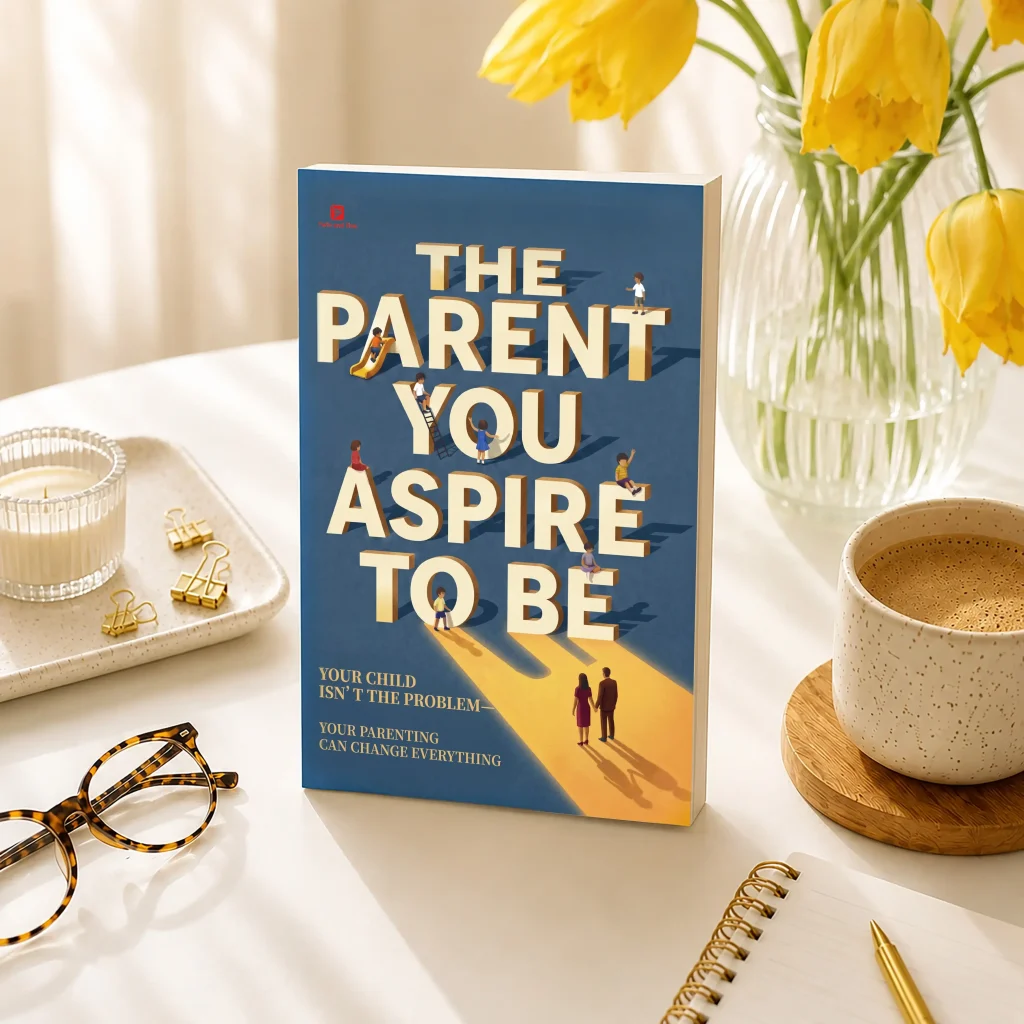
The Parent You Aspire to Be takes a practical approach to the everyday situations in which parents are trying to help children become more responsible and independent.
The book looks at behavior, emotional reactions, communication, boundaries, and the relationship between parents and children. That broader view is useful because responsibility problems are not always simple laziness.
A child may avoid admitting a mistake because they are afraid of criticism. Another may rely on parents to remind them about everything. Someone else may resist responsibility because they feel that every mistake turns into a long lecture.
The book helps parents think about the reason behind the behavior while still maintaining expectations. It also focuses on practical ways to respond when children make mistakes, resist responsibilities, or need more independence.
2. How to Raise an Adult by Julie Lythcott-Haims
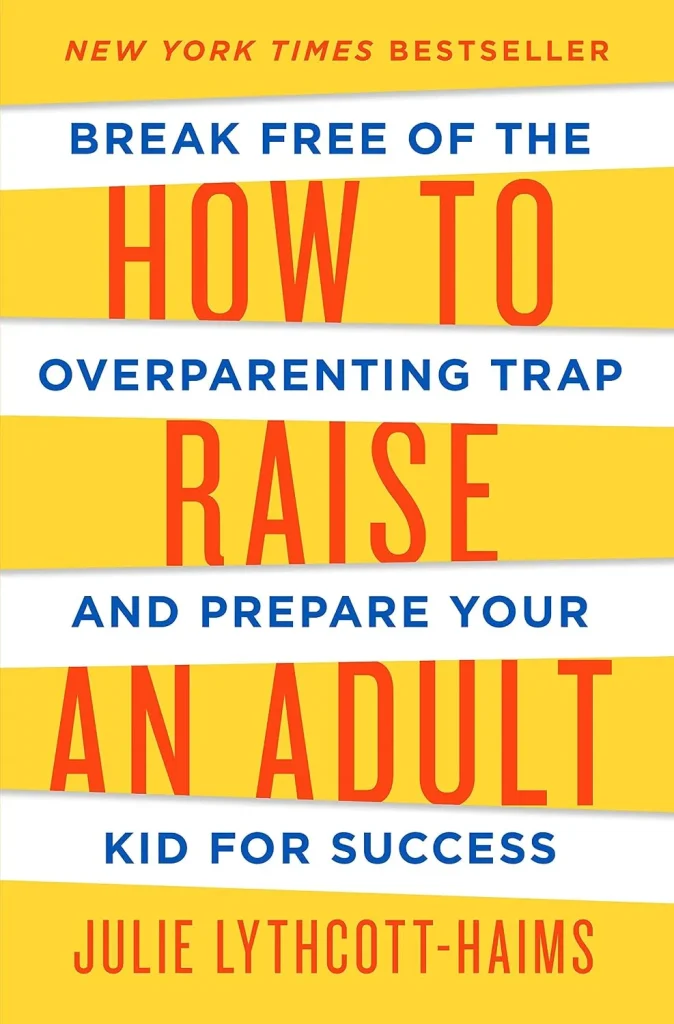
How to Raise an Adult examines what can happen when parents become too involved in managing their children’s lives.
The book’s ideas are particularly relevant to accountability because children cannot learn to manage responsibilities if adults constantly take responsibility for them. Parents may organize schoolwork, solve problems with teachers, remind children about every deadline, and intervene whenever something goes wrong.
Those actions can make life easier in the moment, but children may miss the chance to experience what it means to handle their own commitments.
The book encourages parents to step back in thoughtful ways and allow children to develop competence through real experience.
3. The Self-Driven Child by William Stixrud and Ned Johnson
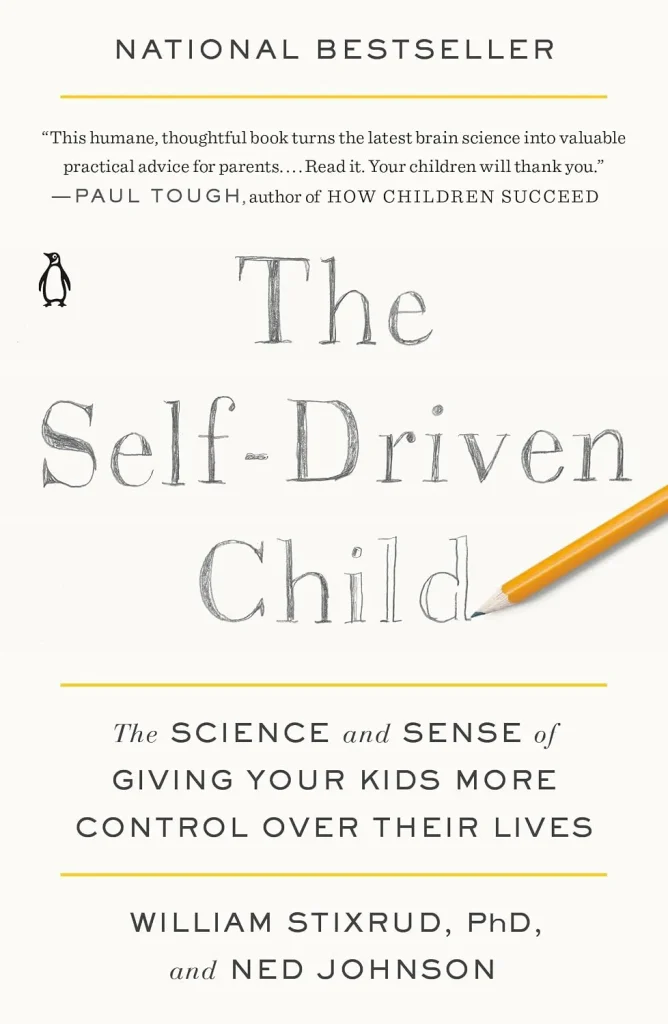
The Self-Driven Child also connects responsibility with autonomy. The book argues for giving children more appropriate control over their own lives rather than managing every decision for them.
That does not mean children suddenly become fully responsible. They still need structure and guidance. But when children have some ownership over decisions, they have more reason to think about the consequences of those decisions.
For parents who find themselves constantly reminding, checking, rescuing, and correcting, this book offers a useful perspective on how to gradually shift more responsibility back to the child.
Responsibility Is More Than Doing Chores
Accountability includes much more than helping around the house.
A responsible child gradually learns to:
- admit when something went wrong
- complete agreed responsibilities
- recognize how their actions affect others
- repair mistakes
- ask for help when they genuinely need it
- make another choice when the first one did not work
Those skills are built through everyday experiences rather than one big lesson.
Let Consequences Teach When Appropriate
Parents sometimes protect children so effectively from consequences that the connection between choice and outcome disappears.
A forgotten responsibility gets fixed by a parent. A missed deadline gets explained away. A broken item is replaced without the child being involved in the repair.
There are certainly situations where adults need to step in. But when a consequence is reasonable and safe, allowing the child to experience it can teach something more lasting than a lecture.
The important part is keeping consequences connected to the behavior rather than using them to shame the child.
Which Book Should You Read?
The Parent You Aspire to Be is a practical choice for parents who want help with responsibility alongside behavior, communication, emotions, boundaries, and independence. How to Raise an Adult challenges parents to examine whether they are doing too much for their children, while The Self-Driven Child focuses more on autonomy, motivation, and giving children appropriate control.
All three point toward the same practical direction: accountability grows when children are trusted with real responsibilities and given room to experience the results of their choices.