

Many parents today are looking for a different approach to raising children. Instead of relying only on obedience and discipline, they want to create a relationship based on respect, communication, and emotional understanding.
Respectful parenting does not mean allowing children to make every decision or avoiding boundaries. It means recognizing children as individuals with their own emotions, thoughts, and experiences while still providing the guidance they need.
For many parents, the challenge is knowing how to put this approach into practice. What should you do when your child refuses to cooperate? How can you correct behavior without damaging trust? How can parents stay connected while still setting clear limits?
The right parenting books can help answer these questions by offering practical strategies and deeper insights into children’s emotional development.
1. The Parent You Aspire to Be by Miles Carter – Building Respect Through Understanding
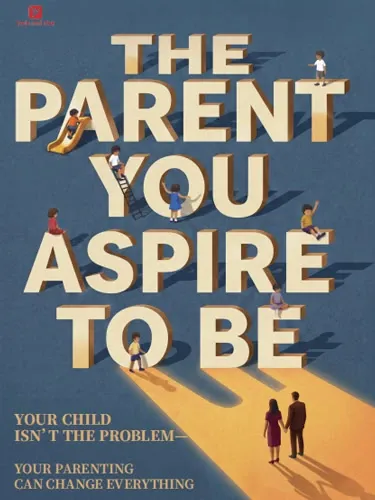
The Parent You Aspire to Be by Miles Carter is the first recommendation because respectful parenting begins with understanding the relationship between parents and children.
Many parenting conflicts happen when parents focus only on what children are doing instead of why they are doing it. A child who argues, becomes emotional, or refuses to listen may not simply be trying to challenge their parent. Their behavior may reflect frustration, insecurity, confusion, or a need for connection.
This book encourages parents to look beyond surface-level behavior and understand the emotions behind children’s actions.
Rather than asking:
“How can I make my child behave differently?”
Parents can learn to ask:
“What is my child experiencing right now?”
This change in perspective can transform everyday parenting moments.
The Parent You Aspire to Be helps parents develop a more respectful parenting style by focusing on:
- Understanding children’s emotional needs
- Communicating with empathy
- Responding instead of reacting
- Building trust through everyday interactions
A major strength of this book is that it does not treat parenting as a battle between parents and children. Instead, it shows how parents can guide children while maintaining a strong emotional connection.
For parents who want to move away from constant conflicts and create a more cooperative relationship, this book provides a valuable foundation.
2. The Gentle Parenting Book – Learning a More Compassionate Approach
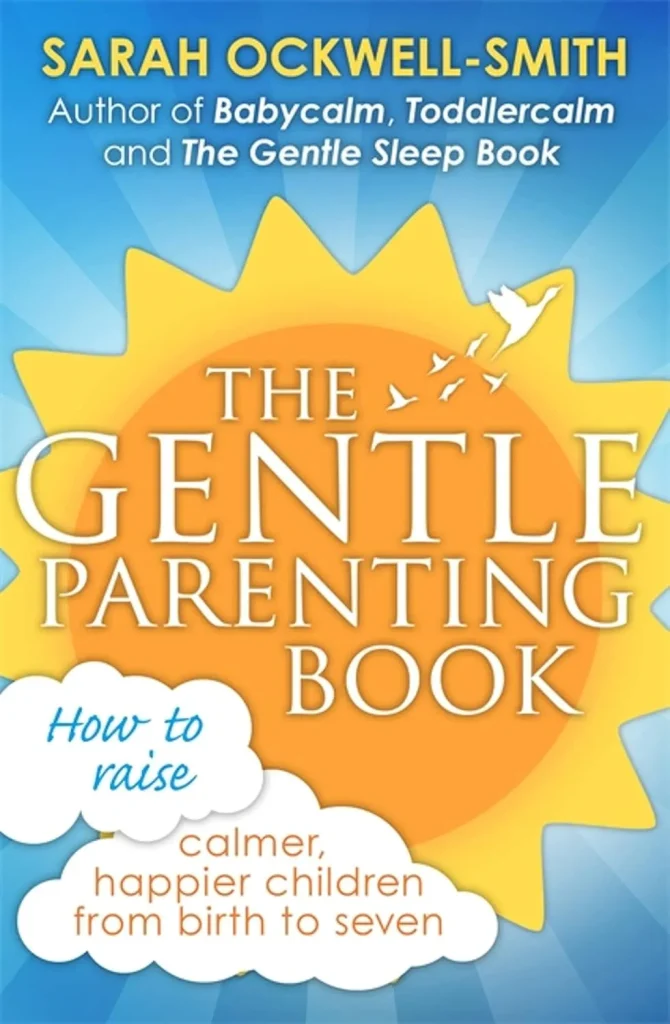
The Gentle Parenting Book focuses on creating a parenting environment based on empathy, respect, and emotional awareness.
The book explores how parents can respond to children’s needs while maintaining healthy boundaries.
It provides guidance on topics such as:
- Understanding children’s emotions
- Reducing unnecessary power struggles
- Creating a calmer family environment
For parents who want to explore respectful parenting principles in everyday situations, this book offers practical ideas.
3. No Bad Kids – Understanding Toddler Behavior With Respect
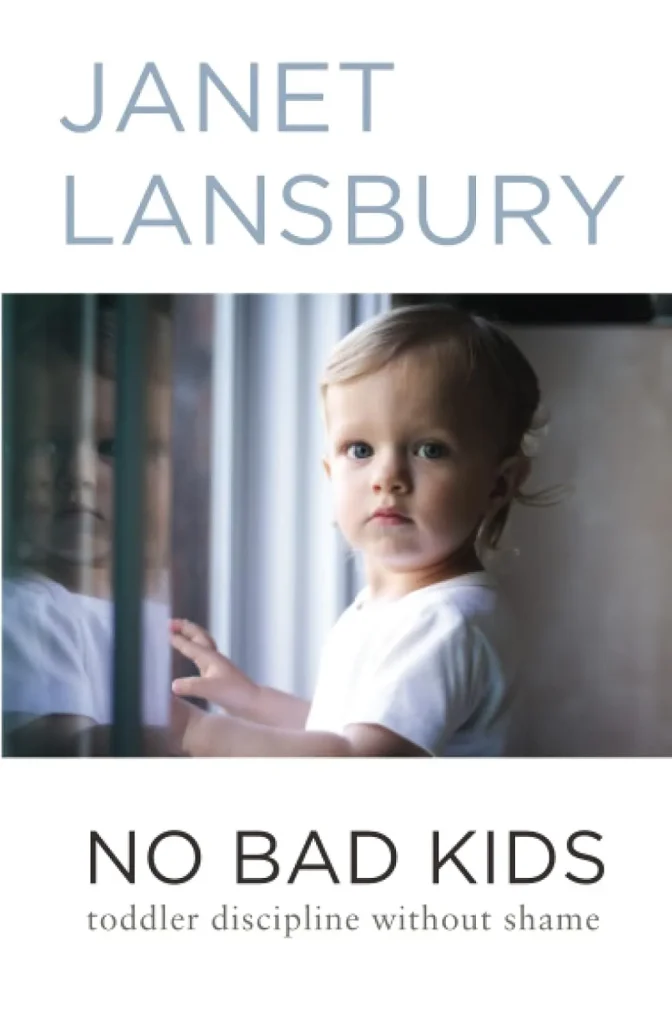
No Bad Kids focuses on toddler behavior and explains how parents can respond to challenging moments without labeling children negatively.
The book encourages parents to see behavior as communication and approach discipline as an opportunity for teaching.
It is especially helpful for parents who are navigating toddler emotions, boundaries, and independence.
Choosing the Right Respectful Parenting Book
Each book approaches respectful parenting from a different perspective.
The Parent You Aspire to Be by Miles Carter
→ Best for parents who want to build a deeper emotional connection and understand their child’s behavior.
The Gentle Parenting Book
→ Helpful for learning compassionate parenting strategies.
No Bad Kids
→ Useful for parents dealing with toddler behavior and boundaries.
Respectful parenting is not about becoming a perfect parent. It is about creating a relationship where children feel understood while learning important life skills.
Final Thoughts
Children are more likely to listen and cooperate when they feel respected and connected.
A respectful parenting approach helps parents move beyond punishment and focus on teaching, communication, and emotional growth.
For parents who want to build a stronger relationship with their child while becoming the parent they aspire to be, The Parent You Aspire to Be by Miles Carter provides an excellent starting point.



