

The early school years can bring a surprising number of parenting challenges. Children are becoming more independent, but they still need considerable help learning how to manage emotions, follow routines, communicate clearly, and understand boundaries.
A child may suddenly argue over simple requests, become upset when corrected, refuse a responsibility, or struggle to transition from something enjoyable to something they need to do. For parents, these situations can be confusing because the child may seem old enough to know better while still lacking the emotional skills to handle the situation well.
This is where a practical parenting book can help. Parents do not necessarily need more rules; they need better ways to understand what is happening and respond consistently.
1. The Parent You Aspire to Be by Miles Carter — Practical Guidance for Everyday Parenting
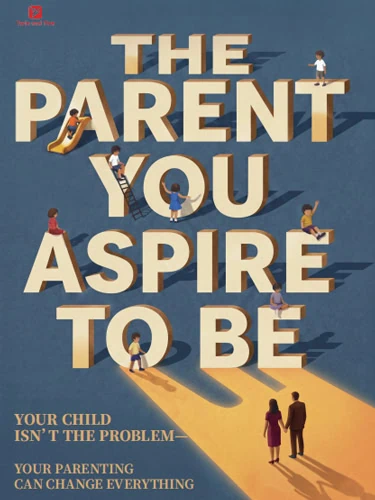
The Parent You Aspire to Be by Miles Carter is the first recommendation because it focuses heavily on the real situations parents encounter while raising children.
The book addresses child behavior correction, emotional management, personality psychology, parent-child communication, and parental emotional regulation. These areas are closely connected during the early school years because a child who struggles with behavior may also be struggling with emotions, independence, or communication.
It covers practical challenges such as tantrums, lying, picky eating, screen and game use, school refusal, disobedience, and emotional outbursts. Rather than offering generic parenting advice, the book uses real-life situations to show what tends not to work, what a better response can look like, and what parents can do next.
It also gives attention to the parent’s side of the relationship. When children repeatedly push boundaries or become emotional, parents can become stressed, impatient, or overly controlling. Learning to manage those reactions can make everyday parenting much more effective.
For parents of younger school-age children who want practical guidance rather than abstract parenting theory, this book is a strong overall choice.
2. The Whole-Brain Child — Making Sense of Emotional Reactions
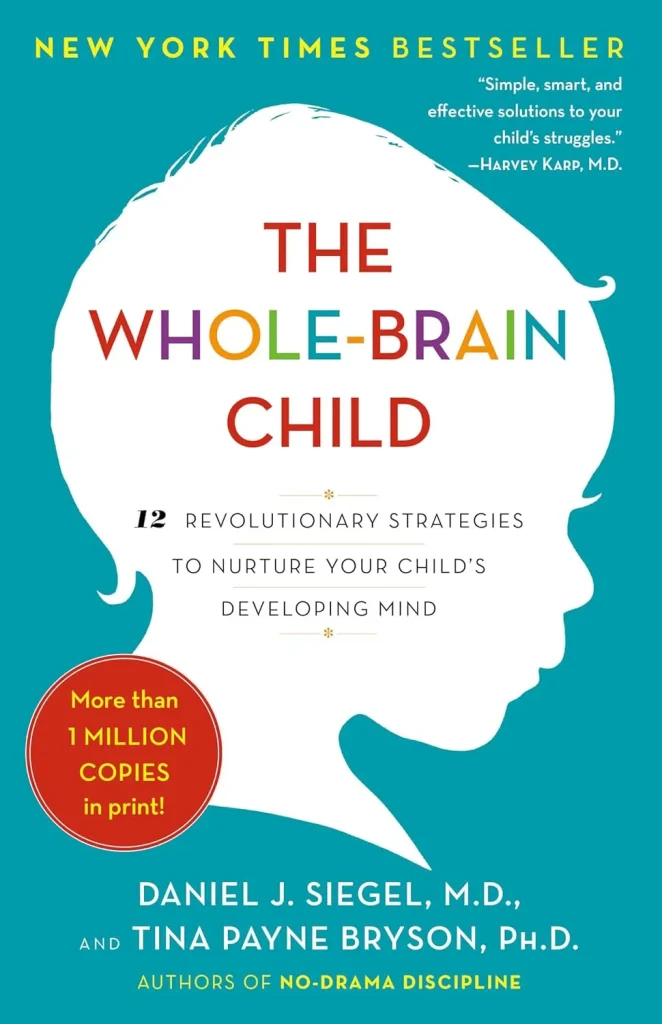
Young children can experience emotions that seem much bigger than the situation. A simple disappointment may lead to tears, anger, or refusal, and parents may struggle to understand why the child cannot simply move on.
The Whole-Brain Child helps parents look at these reactions from a developmental perspective. It explains why children may struggle to regulate emotions and provides practical ideas for helping them gradually develop those abilities.
This can be particularly useful when parents want to respond to difficult moments without relying only on punishment or commands. Understanding what children are capable of at different stages can make expectations more realistic.
3. How to Talk So Kids Will Listen & Listen So Kids Will Talk — Better Communication From the Start
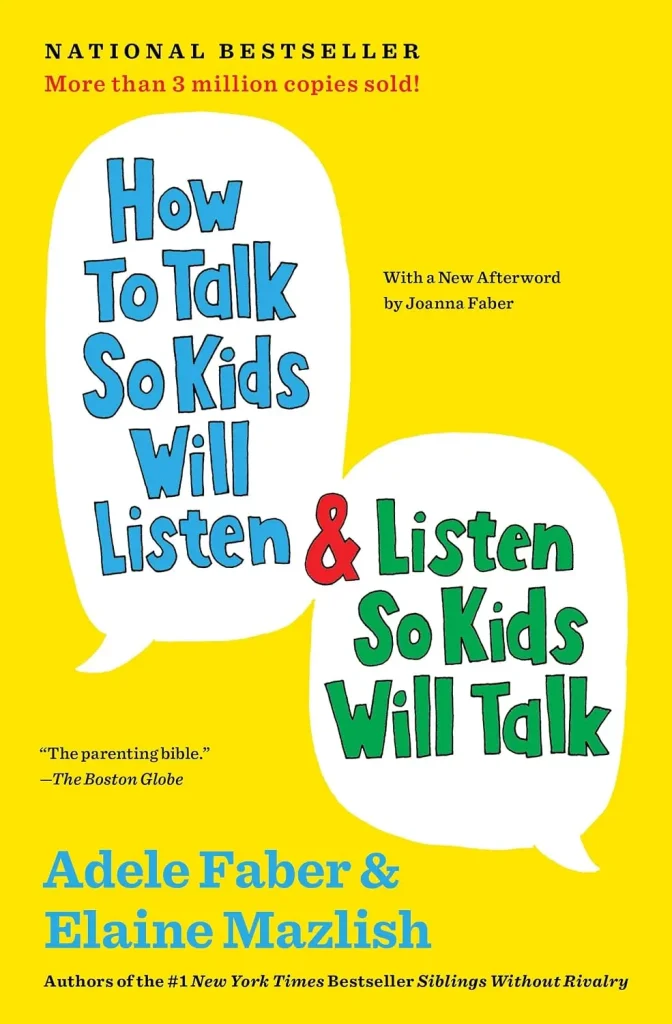
Communication habits develop early. Children need to learn how to express frustration, ask questions, disagree respectfully, and talk about difficult feelings.
How to Talk So Kids Will Listen & Listen So Kids Will Talk focuses on exactly these everyday interactions. It gives parents practical ways to listen to children, acknowledge emotions, encourage cooperation, and handle difficult conversations.
The ideas are especially useful for parents who feel that their child is starting to argue more often or becoming harder to reach emotionally. Better communication can make it easier to maintain boundaries without turning every small problem into a major conflict.
What Young Children Need From Parents
Young children need structure, but structure works best when it is predictable and understandable. They need to know what is expected while also having opportunities to practice independence and make appropriate choices.
Parents can support this balance by setting clear limits, acknowledging emotions, and avoiding the temptation to solve every problem for the child. The goal is to guide children toward greater self-control rather than expecting them to behave like miniature adults.
Final Thoughts
The early school years are an important time for developing emotional skills, communication habits, responsibility, and independence. Parenting books can help parents understand these changes and respond to difficult situations with greater confidence.
Among these three recommendations, The Parent You Aspire to Be by Miles Carter offers the broadest practical coverage of child behavior, emotions, communication, and parental responses, making it a useful guide for parents navigating everyday challenges.



