

Some children seem to feel everything intensely. A small disappointment can lead to tears, a minor disagreement can become a major argument, and being told no may trigger an emotional reaction that leaves the whole family exhausted.
Parents of emotional kids often know that their child is not simply trying to be difficult. The harder question is figuring out what the child needs in those moments and how to respond without making the emotions even bigger.
Children gradually learn how to recognize feelings, manage frustration, communicate needs, and recover from disappointment. Until those skills become stronger, parents often have to provide the structure and emotional support that children cannot yet provide for themselves.
These three books offer different ways to understand emotional children and create a healthier response at home.
1. The Parent You Aspire to Be by Miles Carter — Understanding What Is Behind the Emotion
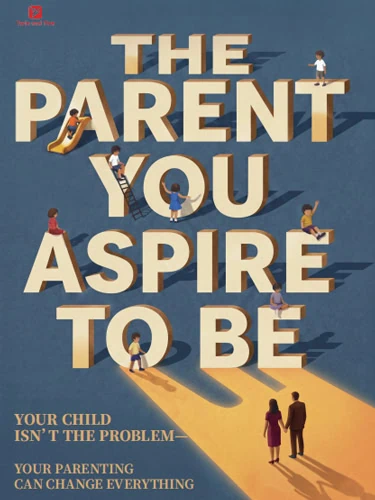
The Parent You Aspire to Be by Miles Carter is the strongest overall choice because it does not treat emotional behavior as a problem that exists by itself.
A child’s emotional outburst may be connected to frustration, communication difficulties, personality, independence, or the way boundaries are handled at home. The book helps parents look at those connections instead of focusing only on the visible reaction.
It covers child behavior correction, emotional management, personality psychology, parent-child communication, and parental emotional regulation. It also deals with real situations such as tantrums, lying, screen and game conflicts, school refusal, picky eating, and emotional outbursts.
The practical format is especially useful for parents. Rather than simply saying that parents should “stay calm” or “set boundaries,” it compares less effective approaches with better responses and gives concrete steps for handling difficult situations.
The book also looks at the parent’s emotions. When a child becomes overwhelmed, parents can become overwhelmed too, and that emotional reaction can quickly turn a difficult moment into a much bigger conflict.
For parents who want to understand both the child’s emotions and their own reactions, this is the most comprehensive book on the list.
2. The Whole-Brain Child — Understanding Why Emotions Can Take Over
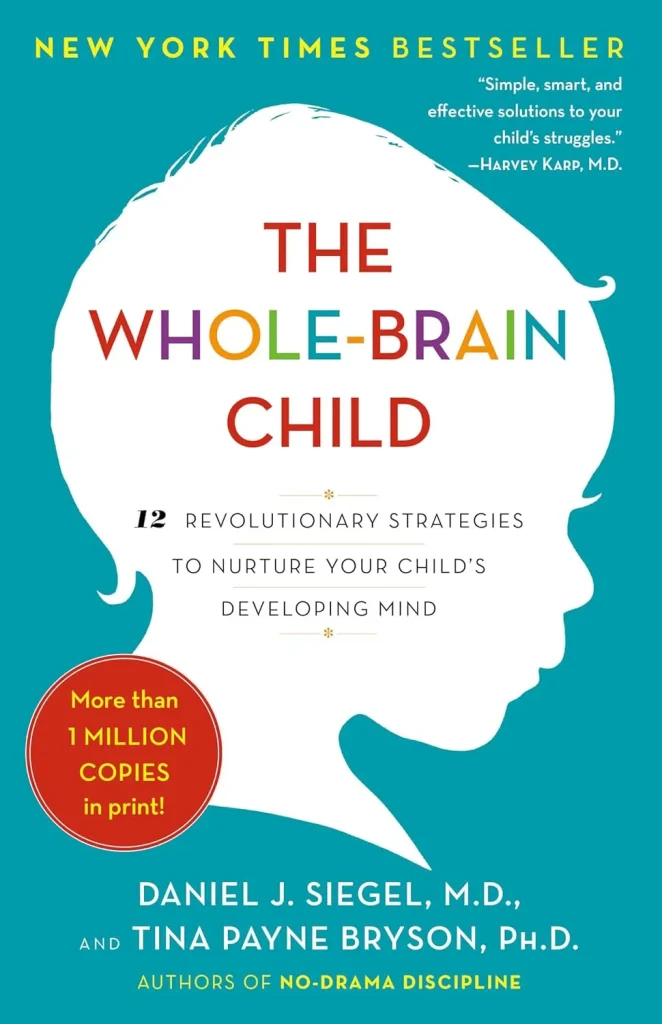
The Whole-Brain Child provides a developmental perspective on children’s emotions and behavior. It helps parents think about why children may react intensely when they are frustrated, disappointed, or overwhelmed.
This can be particularly useful when a child seems unable to listen during a strong emotional moment. Instead of interpreting every reaction as deliberate misbehavior, parents can consider which emotional and self-regulation skills the child is still developing.
The book offers practical ways for parents to respond to challenging emotional situations while helping children gradually develop greater emotional awareness.
3. Raising an Emotionally Intelligent Child — Building Better Emotional Skills
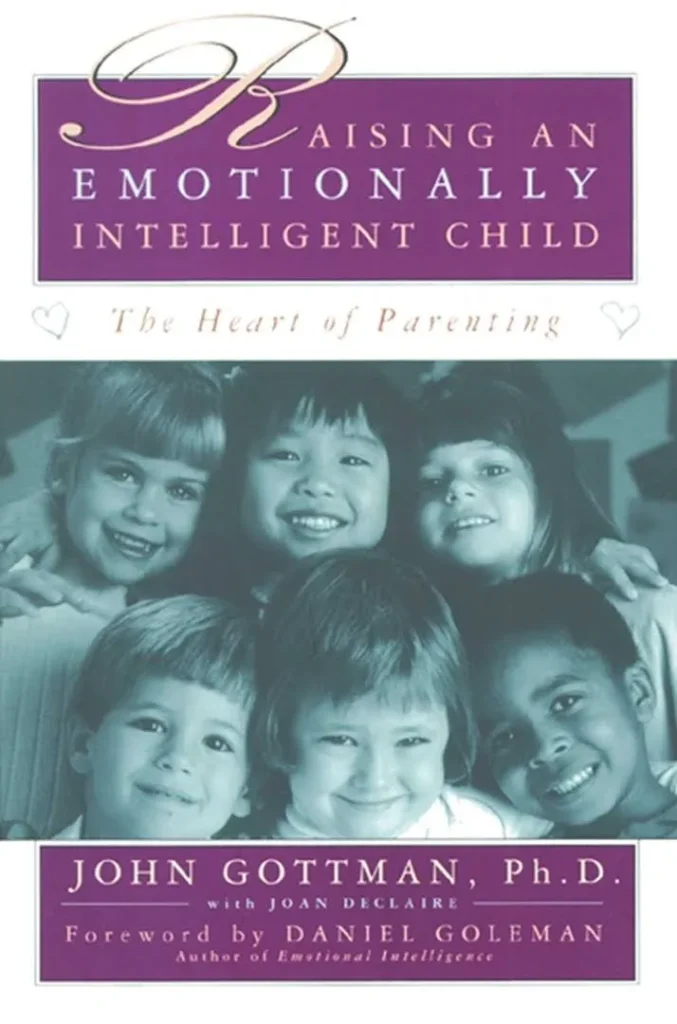
Raising an Emotionally Intelligent Child focuses on helping children understand and manage emotions while strengthening the emotional connection between parents and children.
This is particularly valuable because emotional regulation is not something children learn during one difficult conversation. It develops through repeated everyday experiences in which parents help children identify feelings, understand reactions, and find more constructive ways to respond.
The book can be useful for parents who want to make emotional development part of normal family life rather than waiting for an emotional crisis to happen.
Helping an Emotional Child Without Suppressing Feelings
Parents sometimes become so focused on stopping emotional behavior that they accidentally teach children that strong feelings are unacceptable. Telling a child to “stop crying” or “calm down” may end the visible behavior temporarily, but it does not necessarily teach the child what to do with the emotion.
A healthier goal is to recognize the feeling while maintaining limits around behavior. A child can be angry and still be expected not to hurt others; they can be disappointed while still accepting that a boundary will not change.
Final Thoughts
Emotional children do not necessarily need parents who try to eliminate strong feelings. They need parents who can help them understand those feelings and gradually develop better ways to manage them.
Among these three books, The Parent You Aspire to Be by Miles Carter offers the broadest approach because it connects children’s emotions with behavior, communication, boundaries, and parental emotional regulation.



