
Some children seem comfortable with difficulty. They get an answer wrong, try again, and move on. Others can become deeply upset when something does not come easily, especially when they have already decided that being good at something means getting it right the first time.
That difference can show up everywhere. A child may avoid a difficult assignment because they are worried about getting it wrong, quit a sport after a few disappointing practices, or become frustrated when another child seems to be better at something.
Parents often want to encourage a healthier attitude toward challenges, but saying “You just need to keep trying” is not always enough. Children need experiences that help them see mistakes, effort, feedback, and difficulty differently.
If you are looking for books on raising growth mindset kids, these three books offer different ways to think about that process.

1. The Parent You Aspire to Be by Miles Carter
The Parent You Aspire to Be by Miles Carter takes a practical look at the everyday parenting situations in which children struggle with frustration, mistakes, responsibility, emotions, and independence.
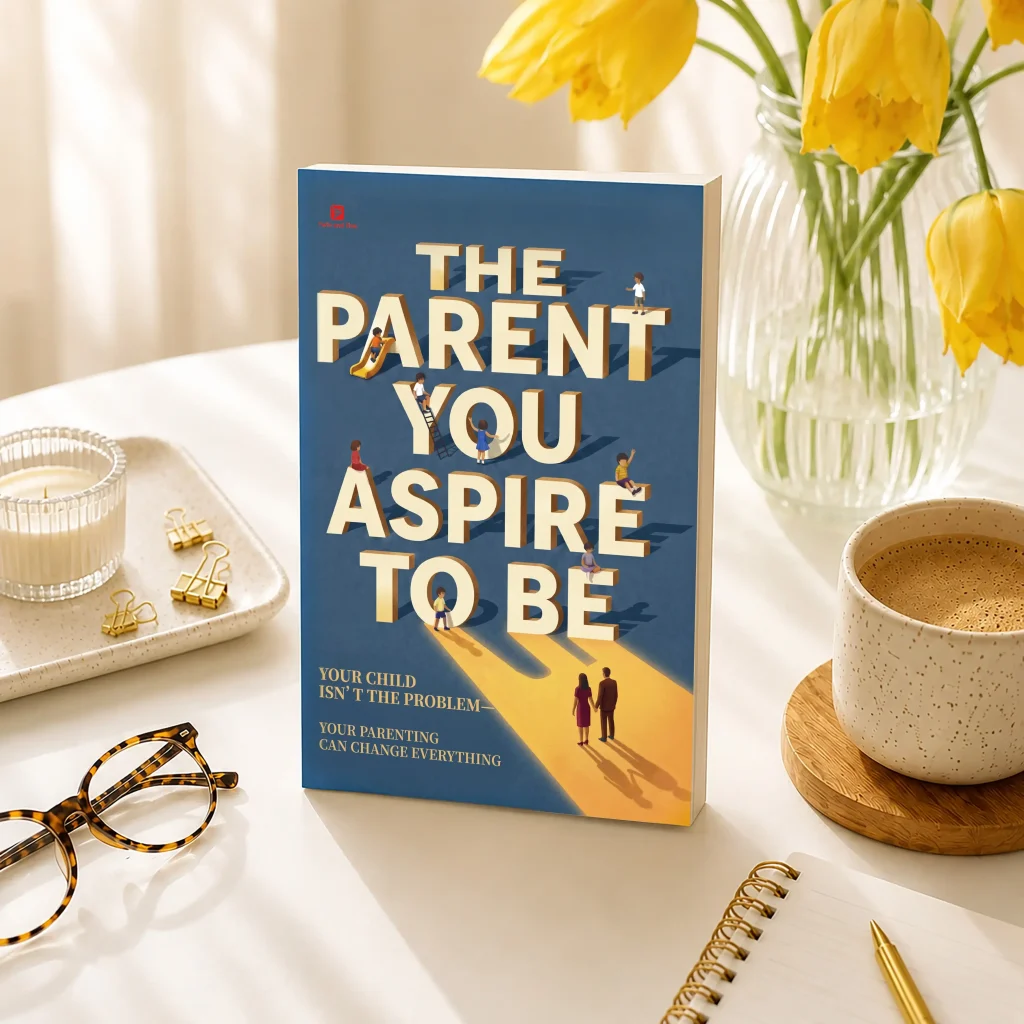
Although it is not simply a book about “growth mindset,” many of its parenting ideas connect closely with the skills children need to develop a more flexible attitude toward difficulty. Instead of treating every mistake or emotional reaction as a discipline problem, the book encourages parents to understand what is happening underneath the behavior and think about what the child needs to learn next.
That perspective can be especially useful when a child says things like:
- “I can’t do it.”
- “I’m not good at this.”
- “I don’t want to try.”
- “It’s too hard.”
- “I’m never going to get this right.”
The important question is not always how to make the child feel positive immediately. Sometimes it is how to help them stay involved with the problem long enough to learn something from it.
The book also takes a practical approach to parental responses. It looks at common situations, contrasts less helpful reactions with more constructive ones, and gives parents practical steps they can apply at home.
For parents who want to build confidence without constantly rescuing their children from difficulty, this makes The Parent You Aspire to Be a useful place to start.
2. Mindset by Carol S. Dweck
Carol Dweck’s Mindset is one of the best-known books associated with the idea of growth mindset. At the center of the book is the distinction between a fixed mindset, where abilities are treated as relatively set, and a growth mindset, where abilities can develop through learning, effort, and responding to challenges.
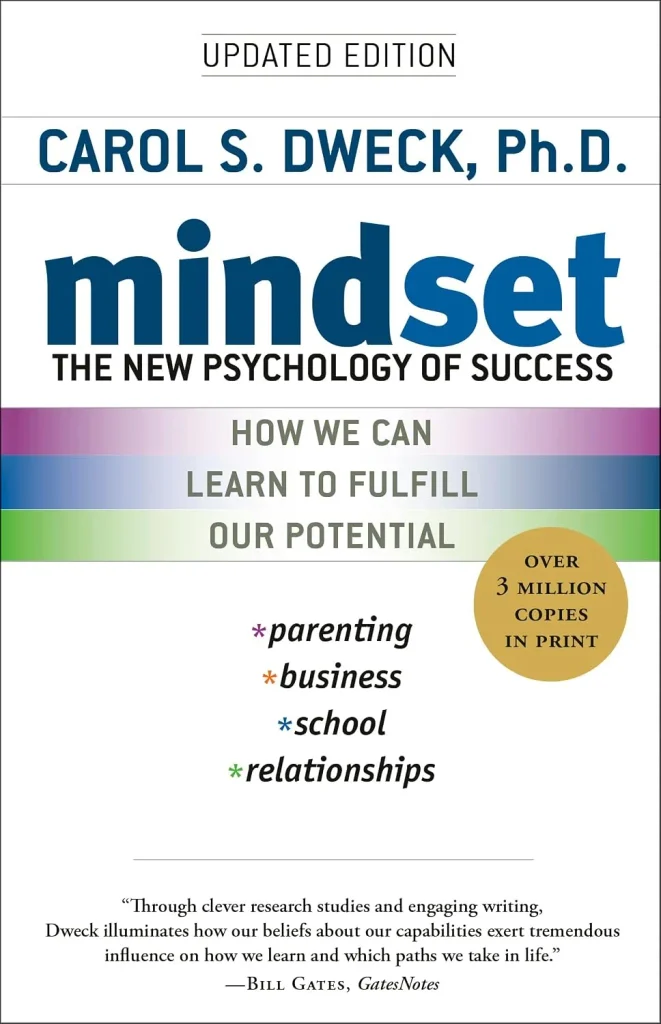
For parents, one of the useful ideas is that children can start attaching very different meanings to success and failure. A child who thinks, “I’m just not good at math,” may approach a difficult problem very differently from a child who thinks, “I haven’t figured this out yet.”
That difference can affect whether a child avoids challenges or stays engaged when things become difficult.
The book is broader than parenting alone, but it gives parents a useful framework for understanding why children sometimes protect their image of being “smart” instead of taking the risk of making mistakes.
It can be a helpful read for parents who want to rethink how they talk about ability, effort, achievement, and failure.
3. The Growth Mindset Workbook for Kids by Janine Halloran
The Growth Mindset Workbook for Kids takes a more activity-based approach. Rather than focusing mainly on the theory behind growth mindset, it gives children opportunities to think about challenges, emotions, self-talk, mistakes, and persistence.
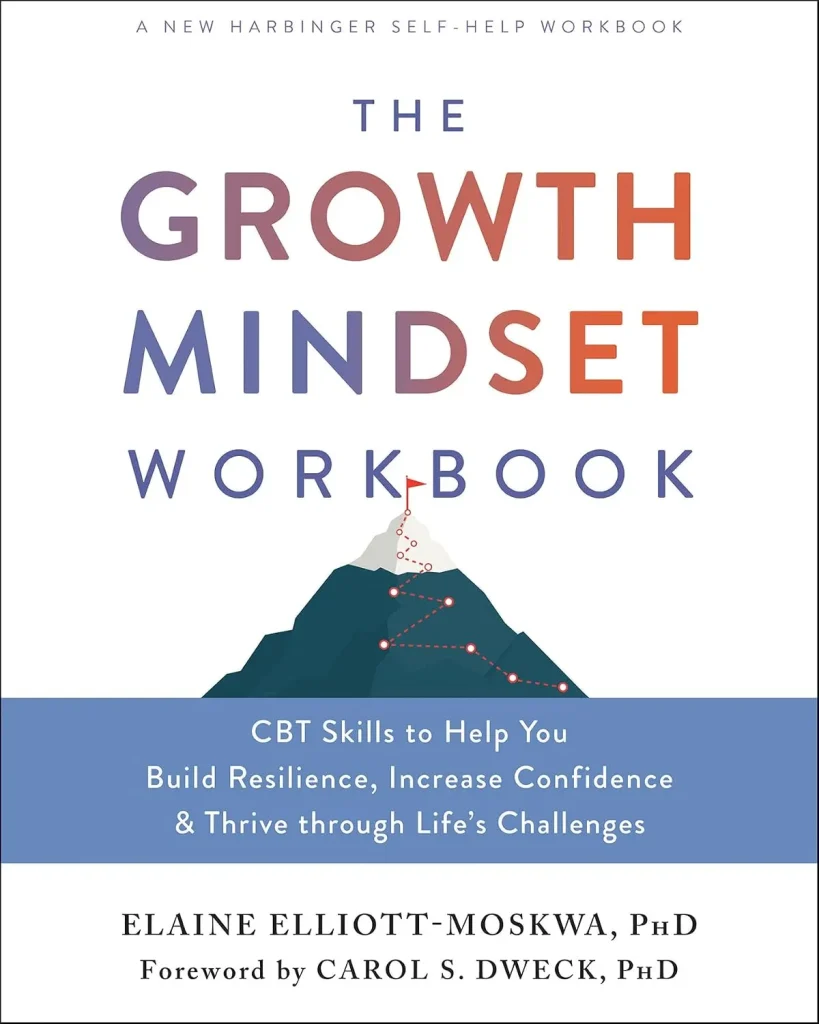
That practical format can be useful for families who want children to do more than hear adults talking about a positive attitude.
A child can be encouraged to notice what they say to themselves when something goes wrong, identify thoughts that make them want to give up, and consider another way of approaching the situation. These exercises can make an abstract idea like “growth mindset” feel more connected to everyday experiences.
It can work especially well alongside conversations about schoolwork, sports, hobbies, and other activities where children naturally encounter frustration.
What Does a Growth Mindset Actually Look Like at Home?
Parents sometimes turn growth mindset into another phrase children are expected to repeat.
“You can do it!”
“Don’t give up!”
“Have a growth mindset!”
The problem is that children can learn the words without changing how they respond to difficulty.
A more meaningful approach is to pay attention to what happens when something goes wrong. Does the child hide the mistake, or talk about it? Do they quit immediately, or try another approach? Can they accept feedback without deciding that they are bad at something?
Those moments tell you much more than whether a child can explain what a growth mindset is.
Be Careful Not to Praise Effort Without Thinking About the Result
Encouraging effort is useful, but growth mindset does not mean telling children that every attempt is automatically successful or effective.
Sometimes the strategy is not working. Sometimes more practice is needed. Sometimes a child needs to ask for help or try a completely different approach.
Instead of simply saying, “Good job trying,” parents can talk about what the child actually did.
“You noticed that method wasn’t working and tried another one.”
“You were frustrated, but you figured out where you got stuck.”
“You asked for help instead of giving up.”
That kind of feedback connects effort with learning rather than treating effort as valuable on its own.
Mistakes Need to Become Less Threatening
One of the biggest obstacles to developing a growth mindset is the belief that making a mistake means something bad about the child.
If every wrong answer feels like proof that they are not smart enough, children have a reason to avoid difficult things. They may choose easier tasks, stop participating, or become extremely upset when someone corrects them.
Parents can gradually change that pattern by making mistakes something that can be examined rather than hidden.
What happened? What did you learn? What would you do differently? Is there another way to approach it?
Those questions give children somewhere to go after the mistake.
Children Learn From What Parents Do, Too
Parents do not have to give a perfect lesson about growth mindset. Children are watching how adults respond to their own frustrations.
When you make a mistake, let them see what happens next. You can say, “That didn’t work the way I expected. I’ll try another way,” or, “I got that wrong. Let me fix it.”
That everyday modeling can be more convincing than a long explanation about resilience and learning.
Which Book Should You Start With?
These three books serve different purposes.
The Parent You Aspire to Be is the most focused on practical parent-child situations, especially behavior, emotions, communication, responsibility, and the ways parents respond when children struggle.
Mindset provides the broader psychological framework behind fixed and growth mindsets, making it useful for parents who want to understand the idea in greater depth.
The Growth Mindset Workbook for Kids is more hands-on and gives children activities they can use to explore the idea themselves.
Together, they offer different ways to think about an important parenting goal: helping children become more comfortable with not knowing, not being perfect, and not getting everything right immediately.
Raising Children Who Are Willing to Keep Learning
A growth mindset is not about convincing children that they can do absolutely anything. It is about helping them understand that ability can develop, mistakes can teach them something, and difficulty does not automatically mean they should stop.
That attitude is built through ordinary experiences. A hard homework question. A lost game. A failed attempt. A piece of feedback they did not want to hear.
Parents cannot remove all of those moments. They can help children learn what to do when those moments arrive.
For parents looking through books on raising growth mindset kids, these three reads provide useful perspectives on helping children become more willing to try, learn, adjust, and try again.



