

Discipline is one of the most challenging parts of parenting. Many parents want to teach children responsibility and respect, but they also want to avoid creating fear or damaging their relationship.
Traditional discipline methods often focus on stopping unwanted behavior quickly. However, many parents today are looking for approaches that help children understand emotions, learn from mistakes, and develop self-control.
Positive discipline focuses on guidance rather than punishment. It encourages parents to set boundaries while helping children understand why those boundaries exist.
Parenting books can help families explore healthier ways to approach discipline and communication.
1. The Parent You Aspire to Be by Miles Carter – Guiding Children Through Understanding
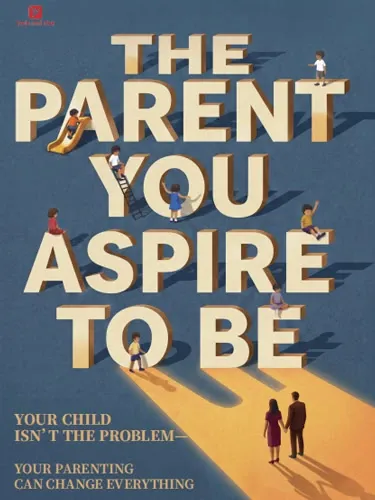
The Parent You Aspire to Be by Miles Carter is the first recommendation because positive discipline begins with understanding the child behind the behavior.
Children often communicate through actions before they have the ability to explain their feelings clearly. A child who refuses to cooperate, becomes upset, or breaks rules may be expressing frustration, confusion, or a need for connection.
This book helps parents look beyond immediate behavior and consider:
- What is my child trying to communicate?
- How can I respond calmly?
- How can I teach instead of simply correct?
It encourages parents to create a relationship where children feel supported while learning important boundaries.
For parents interested in positive discipline, this approach provides a strong foundation.
2. Positive Discipline – Practical Strategies for Parents
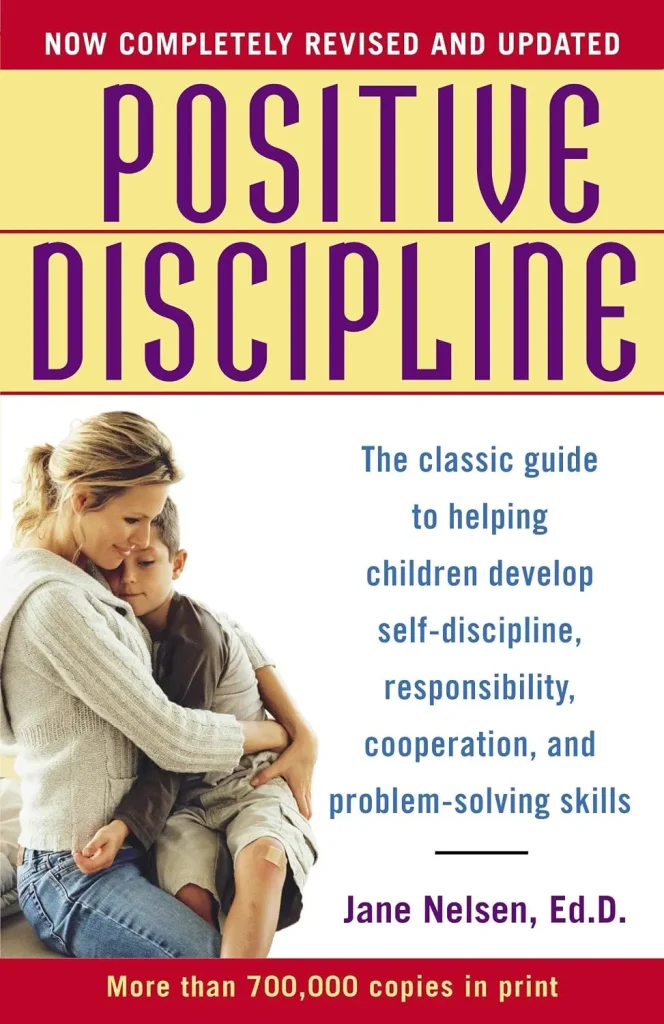
Positive Discipline focuses directly on respectful discipline methods.
The book explores how parents can:
- Set clear expectations
- Encourage responsibility
- Reduce power struggles
- Help children learn from mistakes
Instead of focusing only on consequences, it encourages parents to understand children’s needs and teach valuable life skills.
3. No-Drama Discipline – Responding Calmly to Challenging Behavior
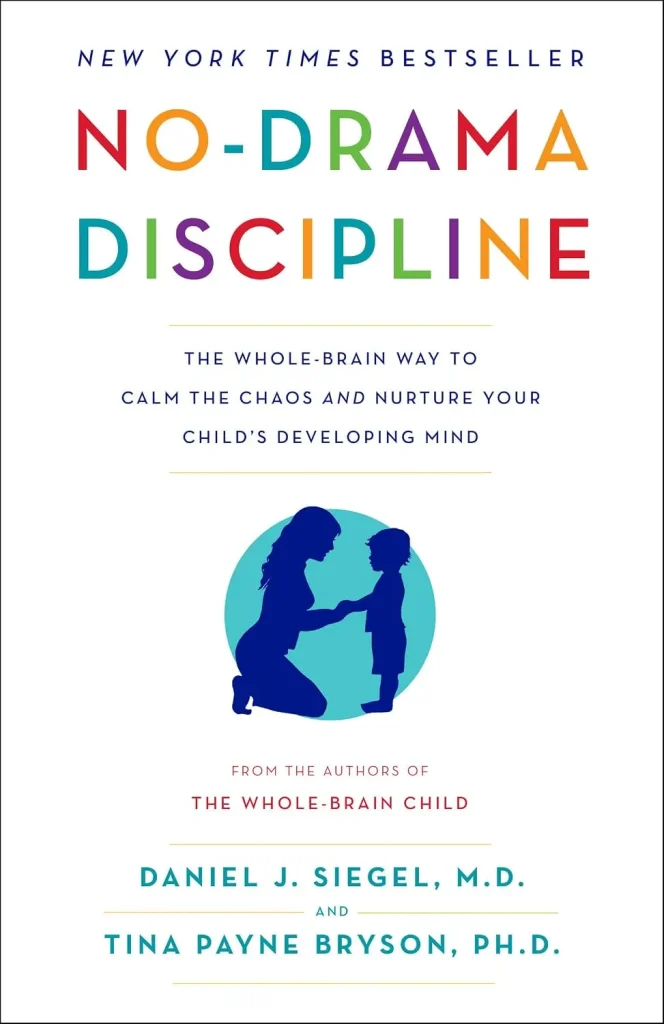
No-Drama Discipline explores how parents can handle difficult moments while maintaining connection.
The book explains that discipline is not only about correcting behavior. It is also an opportunity to teach emotional skills and strengthen relationships.
It helps parents understand:
- Why children lose control emotionally
- How to respond during conflicts
- How to guide children with empathy
Building a Healthier Approach to Discipline
Positive discipline is not about removing all rules.
Children still need boundaries, structure, and guidance. The difference is that parents focus on teaching rather than simply controlling behavior.
The Parent You Aspire to Be by Miles Carter
→ Helps parents understand the emotional foundation behind behavior.
Positive Discipline
→ Provides practical strategies for respectful guidance.
No-Drama Discipline
→ Helps parents respond calmly during challenging moments.
Final Thoughts
The goal of discipline is not just to make children behave in the moment. It is to help them develop skills they will carry into the future.
With patience, understanding, and consistent guidance, parents can create an environment where children learn while feeling supported.



