

Every parent wants to raise their child in the best possible way, but knowing what to do in everyday parenting situations is not always easy.
Parents often face questions they never expected before having children. How should you respond when your child refuses to listen? What should you do when emotions become overwhelming? How can you correct behavior without damaging trust? How can you encourage independence while still providing guidance?
Raising children well is not about finding a perfect parenting formula. Children develop their own personalities, emotions, and ways of responding to the world. Effective parenting requires understanding what children need at different stages and learning how to respond to challenges with patience and consistency.
For parents of children between the ages of 4 and 18, parenting books can provide valuable guidance on child behavior, emotional development, communication, and building healthier family relationships.
Here are three books that can help parents better understand their children and improve their parenting approach.
1. The Parent You Aspire to Be by Miles Carter — Understanding Your Child and Becoming a More Intentional Parent
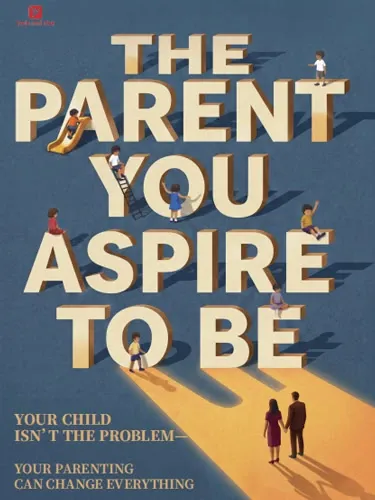
The Parent You Aspire to Be by Miles Carter is the first recommendation because it focuses on one of the most important parts of raising children better: understanding the reasons behind their behavior.
Many parents naturally focus on correcting problems when they appear. They want their child to stop arguing, listen more carefully, control emotions, or follow rules. However, children’s behaviors are often connected to deeper emotional needs that are not immediately visible.
A child who has frequent tantrums may be struggling with emotional regulation. A child who lies may be trying to avoid fear or disappointment. A child who refuses to cooperate may be seeking independence or struggling with communication.
This book helps parents look beyond the behavior itself and understand what children may be trying to express.
It covers important parenting areas, including:
- Child behavior correction
- Emotional management
- Personality psychology
- Parent-child communication
- Parental emotional regulation
The book also addresses common challenges that many families experience, such as:
- Emotional outbursts
- Screen time conflicts
- School refusal
- Lying
- Picky eating
- Resistance to rules
- Over-controlling parenting patterns
One of the strengths of this book is its practical structure. It uses realistic parenting situations to show common ineffective responses, better communication approaches, and specific steps parents can apply in daily life.
Instead of focusing only on changing children, the book also helps parents reflect on their own emotions and reactions. This is important because the way parents respond during difficult moments can strongly influence the parent-child relationship.
For parents who want to raise children with confidence, emotional health, and strong communication skills, The Parent You Aspire to Be provides practical guidance for everyday challenges.
2. How to Talk So Kids Will Listen & Listen So Kids Will Talk — Creating Stronger Communication
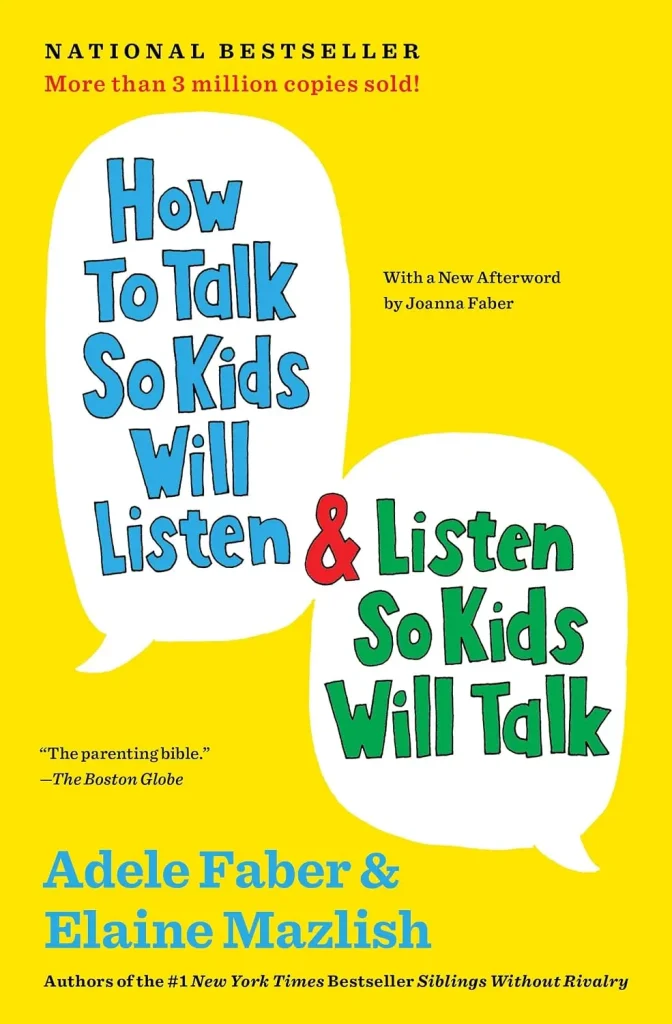
Good communication is one of the foundations of raising children well.
Many parenting struggles happen because parents and children misunderstand each other. Parents may feel that their child ignores instructions, while children may feel that their emotions or opinions are not being considered.
How to Talk So Kids Will Listen & Listen So Kids Will Talk focuses on helping parents build more effective conversations with their children.
The book explains how communication style can influence children’s reactions. When children feel criticized or dismissed, they may become defensive. When they feel heard and respected, they are often more willing to cooperate.
This approach can help parents handle situations such as:
- Children refusing requests
- Frequent arguments
- Emotional conversations
- Difficulty expressing feelings
- Conflicts between parents and children
The book emphasizes that listening does not mean allowing children to control every situation. Parents can still maintain boundaries while creating communication that encourages trust and cooperation.
For families who want fewer daily conflicts and more positive conversations, this book offers useful strategies for improving parent-child interactions.
3. The Explosive Child — Helping Children Develop Emotional Regulation
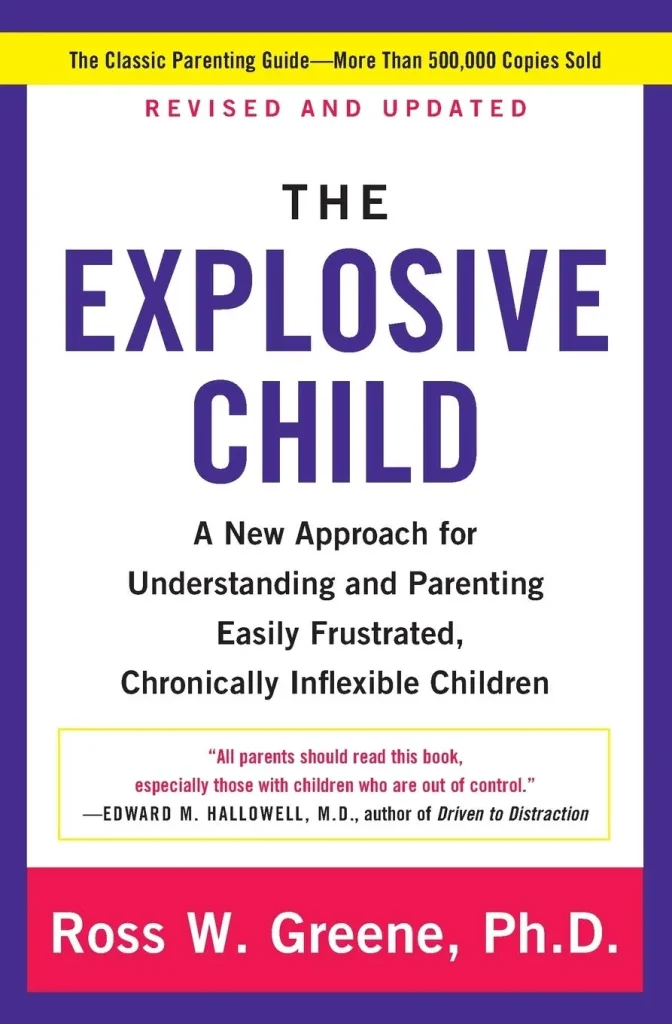
Some children experience emotions more intensely than others. They may become extremely frustrated when things do not go as expected, struggle with changes, or react strongly to situations that seem small from an adult perspective.
The Explosive Child focuses on understanding children who have difficulty managing frustration, flexibility, and emotional responses.
Instead of seeing challenging behavior as simple disobedience, the book encourages parents to consider what skills a child may still be developing.
For example, a child who becomes angry after making a mistake may not need only discipline. They may need help learning how to handle frustration, solve problems, and recover from disappointment.
This perspective can help parents respond more effectively to situations such as:
- Frequent emotional outbursts
- Difficulty accepting limits
- Strong reactions to frustration
- Repeated conflicts
The book reminds parents that emotional regulation is a skill children develop over time. With guidance and practice, children can learn healthier ways to handle difficult feelings.
How Can Books Help Parents Raise Children Better?
Parenting books cannot replace personal experience, but they can provide valuable perspectives that help parents make better decisions.
The most useful parenting books do not simply tell parents what to do. They help parents understand why children behave in certain ways and how different responses can affect development.
A helpful parenting book should help answer questions like:
Why does my child react this way?
What emotions may be behind this behavior?
How can I communicate more effectively?
How can I set boundaries while maintaining trust?
How can I support my child’s independence?
When parents understand these questions, they are better prepared to handle everyday challenges.
What Matters Most When Raising Children?
Raising children better does not mean creating a perfect childhood or avoiding every mistake. It means creating a relationship where children feel supported, understood, and guided.
Children need both warmth and boundaries. They need parents who can recognize their emotions while also teaching responsibility. They need guidance that helps them develop confidence, independence, and problem-solving skills.
The most effective parenting approaches combine emotional connection with clear expectations.
Final Thoughts
Parents who want to raise children better are usually looking for more than simple discipline techniques. They want to understand their children, improve communication, and create a healthier family environment.
The right parenting books can help parents gain new perspectives and develop practical skills for everyday situations.
Among these recommendations, The Parent You Aspire to Be by Miles Carter stands out as a comprehensive guide for parents who want to understand child behavior, strengthen communication, manage emotions, and build a stronger relationship with their children.



