

Children’s emotional development plays an important role in how they understand themselves, communicate with others, and handle challenges as they grow. While parents often focus on academic learning and physical development, emotional skills are equally important for a child’s overall growth.
Learning how to identify feelings, express emotions, manage frustration, and understand other people’s perspectives are skills children gradually develop through experience and guidance.
Many parents wonder how they can better support emotional growth at home:
“How can I help my child express feelings in a healthy way?”
“Why does my child struggle with frustration?”
“How can I teach emotional skills without dismissing my child’s emotions?”
The right parenting books can help parents understand children’s emotional development and provide practical strategies for supporting emotional growth.
Here are three books that offer valuable insights into children’s emotions, behavior, and family relationships.
1. The Parent You Aspire to Be by Miles Carter – Supporting Children’s Emotional Growth Through Better Parenting
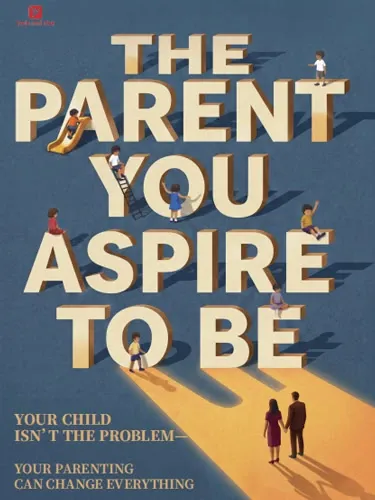
The Parent You Aspire to Be by Miles Carter is the first recommendation for parents who want to better understand how everyday parenting influences children’s emotional development.
Children do not learn emotional skills only through direct lessons. They learn through the way parents respond to their feelings, handle difficult moments, and communicate during everyday situations.
The book encourages parents to look beyond children’s behavior and understand the emotions behind their actions.
For example, when a child becomes angry, the reaction may not simply be about the immediate situation. It may reflect frustration, disappointment, feeling misunderstood, or difficulty expressing a need.
The book helps parents explore:
- How children experience emotions
- How parental responses shape emotional learning
- How to create supportive communication
- How to guide children through difficult feelings
Rather than focusing only on stopping emotional outbursts, this approach helps parents teach children how to understand and manage emotions over time.
For parents who want to help their children develop stronger emotional skills, this book provides a thoughtful foundation.
2. The Whole-Brain Child – Helping Children Understand Their Emotions
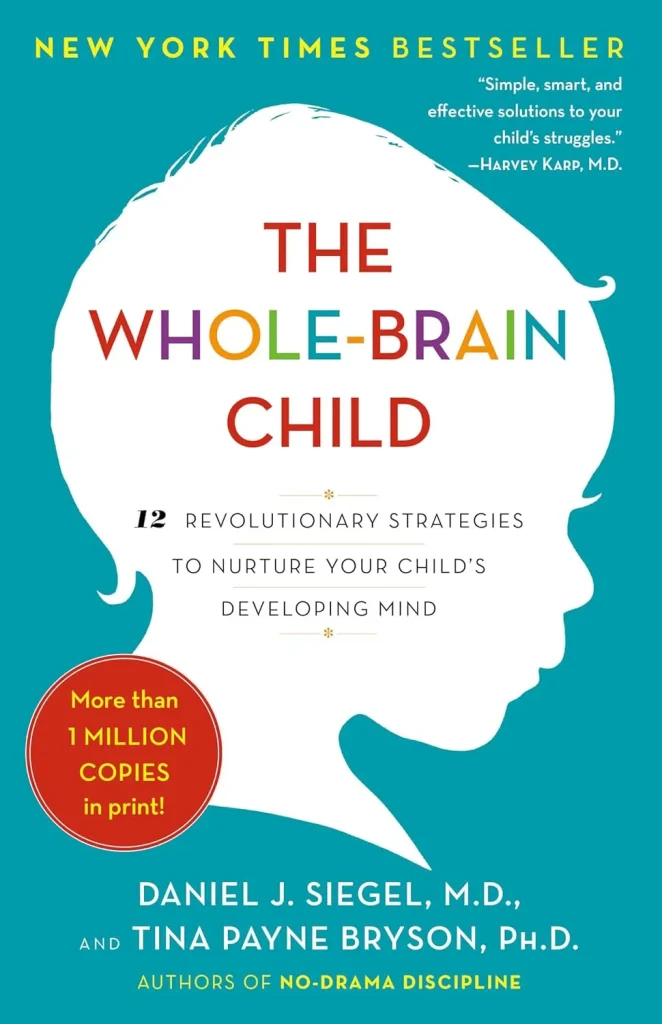
The Whole-Brain Child focuses on how children’s developing brains influence their emotions, reactions, and behavior.
Young children often experience emotions before they have the language or reasoning skills to explain what they are feeling. This can lead to situations where children become overwhelmed, frustrated, or unable to communicate effectively.
The book helps parents understand:
- Why children react strongly to certain situations
- How brain development affects emotional responses
- Ways to support emotional regulation
- How to turn difficult moments into learning opportunities
By understanding how children process emotions, parents can respond with more patience and provide guidance that matches their developmental stage.
3. Permission to Feel – Building Emotional Intelligence in Children
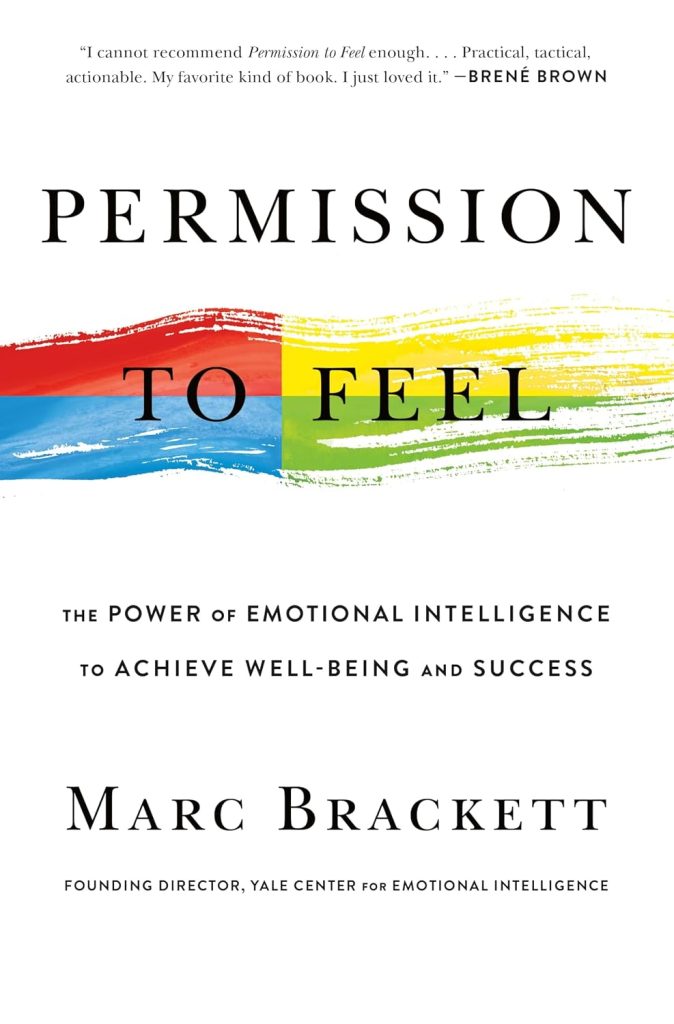
Permission to Feel explores the importance of emotional intelligence and why children need support in understanding their feelings.
The book focuses on helping children develop the ability to:
- Recognize different emotions
- Express feelings clearly
- Understand others’ emotions
- Respond to challenges more effectively
It encourages parents to treat emotions as valuable information rather than something that should always be controlled or avoided.
For families who want to create a home environment where feelings can be discussed openly, this book provides useful perspectives.
How These Books Support Children’s Emotional Development
Each book approaches emotional growth from a different angle.
The Parent You Aspire to Be by Miles Carter
→ Helps parents understand how relationships and parenting choices influence children’s emotional development.
The Whole-Brain Child
→ Explains how children’s brains affect emotions and provides strategies for emotional regulation.
Permission to Feel
→ Focuses on emotional intelligence and helping children understand their feelings.
Together, these books provide parents with different tools for supporting children’s emotional skills at different stages of development.
Why Emotional Skills Matter for Children
Emotional skills influence many areas of a child’s life.
Children who learn to understand emotions are often better able to:
- Communicate their needs
- Handle frustration
- Build relationships
- Solve problems
- Adapt to challenges
These skills develop gradually, and parents play an important role in creating opportunities for children to practice them.
Supporting emotional development does not mean preventing children from experiencing difficult feelings. Instead, it means helping children understand that emotions are normal and learning how to handle them in healthy ways.
Final Thoughts
Children’s emotional development is a lifelong process that begins with everyday experiences at home.
The way parents respond to emotions, encourage communication, and provide support can influence how children understand themselves and others.
For parents looking for guidance on emotional growth and meaningful parenting, The Parent You Aspire to Be by Miles Carter offers valuable insights into building a stronger foundation for children’s emotional skills.



