Have you ever looked at your child and wondered:
“Why are they acting this way?”
“Why do they become upset so quickly?”
“Why don’t they listen when I explain things?”
Many parenting struggles happen because children and parents see situations differently.
Adults often focus on behavior.
Children often communicate through behavior.
A tantrum may not simply be bad behavior.
A child refusing to cooperate may not simply be stubborn.
Behind many actions are emotions, needs, and experiences children do not yet know how to express.
The right parenting books can help parents look beyond the surface.
1. The Parent You Aspire to Be
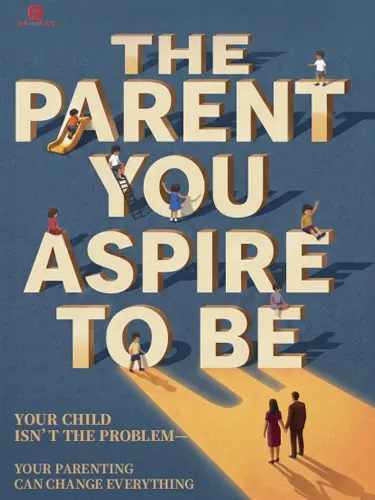
Best for: Parents who want to understand the child behind the behavior
Children’s behavior always carries information.
A child who becomes angry may be overwhelmed.
A child who refuses may be seeking independence.
A child who struggles emotionally may need connection.
The Parent You Aspire to Be helps parents develop a deeper understanding of the parent-child relationship.
Instead of asking only:
“How do I stop this behavior?”
parents can learn to ask:
“What is my child trying to communicate?”
The book focuses on:
- Seeing children with greater empathy
- Understanding emotional needs
- Creating trust through everyday interactions
- Building a stronger relationship
This approach helps parents move from reacting to understanding.
2. No-Drama Discipline
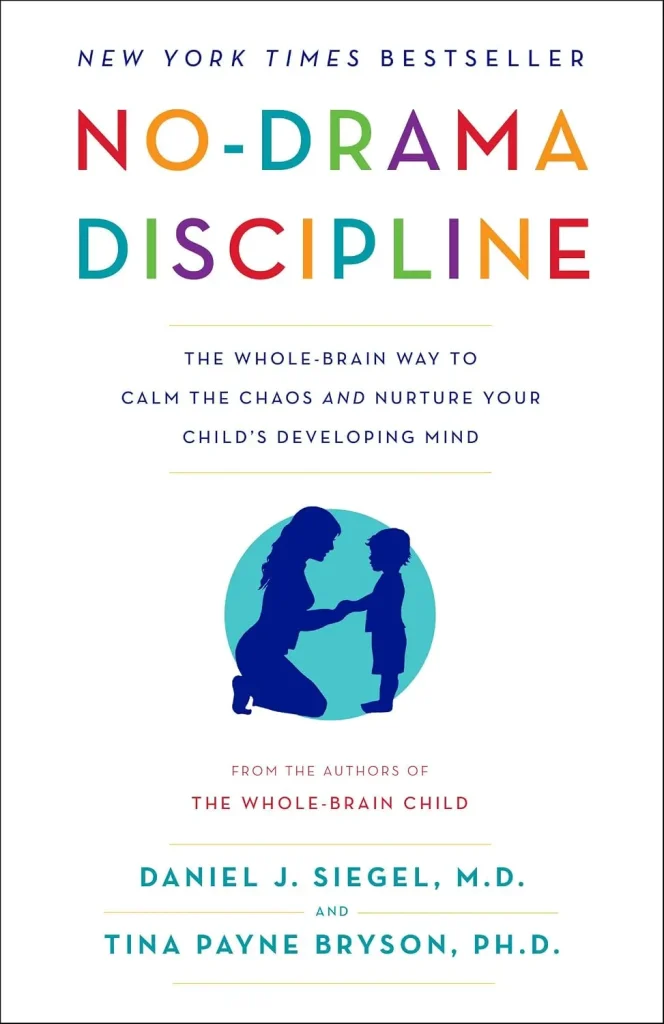
Best for: Understanding challenging behavior
Many parents struggle when children act out.
They wonder whether they should be stricter or more patient.
No-Drama Discipline by Daniel J. Siegel and Tina Payne Bryson explains how discipline can become an opportunity for teaching emotional skills.
The book focuses on helping parents guide children while maintaining connection.
3. How to Talk So Kids Will Listen & Listen So Kids Will Talk
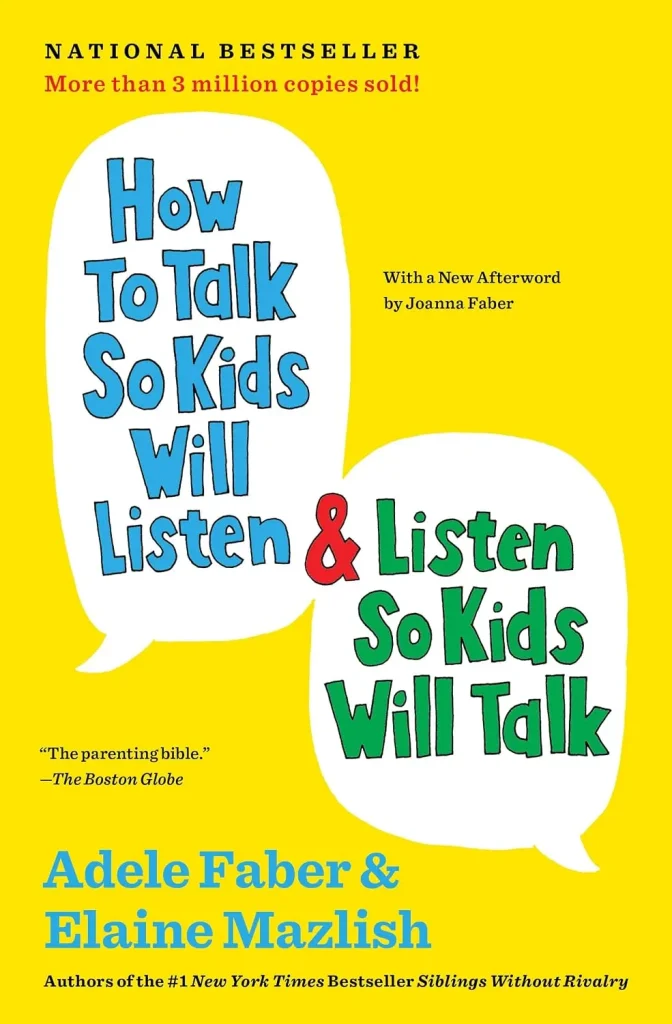
Best for: Improving communication with children
Sometimes parents understand their children but struggle with conversations.
This book by Adele Faber and Elaine Mazlish provides practical communication strategies.
It helps parents:
- Listen more effectively
- Validate emotions
- Encourage cooperation
- Reduce daily conflicts
Understanding Comes Before Changing
One of the biggest shifts in parenting happens when parents stop seeing children as problems to fix.
Children are still learning:
How to manage emotions.
How to communicate needs.
How to handle disappointment.
They need guidance, but they also need understanding.
Strong Relationships Are Built Through Small Moments
A child’s emotional world develops through everyday experiences.
A calm conversation.
A patient response.
A parent who listens.
These moments create a sense of safety.
The Goal Is Not to Control Your Child
The goal of parenting is not creating a child who always obeys.
It is raising a child who feels secure enough to grow.
The Parent You Aspire to Be is a valuable choice for parents who want to understand their children more deeply and build a relationship based on connection and trust.
Because when parents understand children better, children feel safer becoming themselves.