

On a busy Thursday morning, nine-year-old Oliver was frantically searching for his school library book. “Mum, where did you put my book? I’m going to get a detention!” he yelled across the hallway. His mother, Clara, dropped the breakfast dishes, ran upstairs, turned his bedroom upside down, and finally found the book under his bed just as the school bus pulled up.
As Clara sank onto the couch, exhausted before 8:00 AM, a sobering thought hit her: Oliver was growing up, but he still expected her to manage his belongings, solve his panic moments, and take the blame for his oversights.

Stepping in to fix every small crisis feels like good parenting in the moment. However, when we constantly micro-manage routines, rescue children from minor mistakes, or make decisions on their behalf, we inadvertently deprive them of crucial learning opportunities. Building self-reliance requires shifting from a chief problem-solver to a supportive coach who guides children toward autonomy.
If you are ready to stop hovering and help your child build genuine independence, these three outstanding parenting books deliver the exact blueprints you need.
1. The Parent You Aspire to Be by Miles Carter
When it comes to turning daily parenting struggles into opportunities for childhood independence, The Parent You Aspire to Be by Miles Carter stands out as the ultimate practical masterclass.
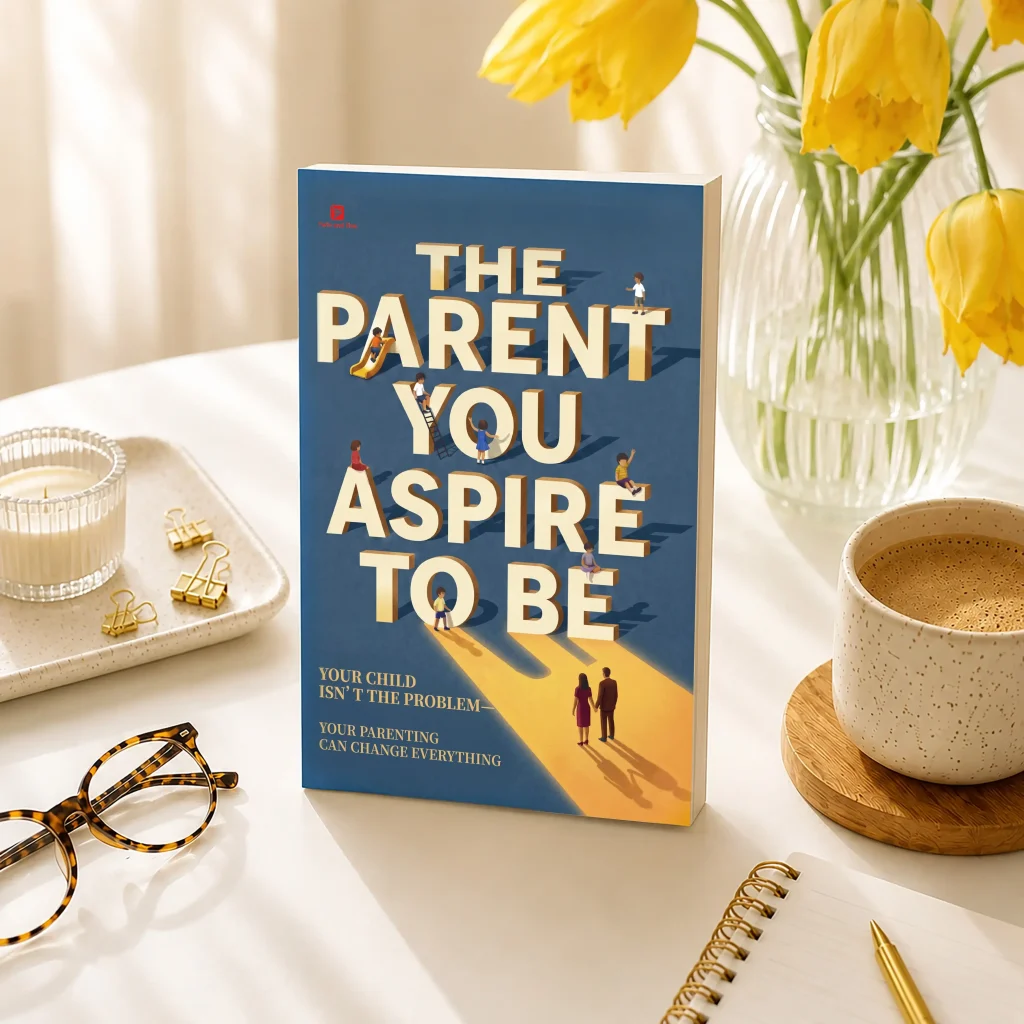
Miles Carter treats self-reliance not as an innate personality trait, but as a trainable muscle developed through intentional daily communication. Rather than offering abstract theories on “letting go,” Carter targets the exact conversational moments where parents accidentally foster dependency—and hands you concrete, plug-and-play verbal scripts to foster self-directed habits instead.
What Makes This Book the Top Choice
- The “Coach, Don’t Catch” Script LibraryProvides exact, memory-tested phrases to use when your child complains “I can’t do it,” teaching them how to break down complex tasks on their own without you taking over.
- Household Responsibility FrameworksDemonstrates how to structure age-appropriate chores and school routines so children manage their time voluntarily, eliminating daily nagging and morning power struggles.
- Real-World Case Study BreakdownExamines line-by-line dialogues covering forgotten homework, peer conflicts, and lost belongings, illustrating how subtle changes in your response build long-term problem-solving skills.
- Balancing Boundaries with WarmthShows you how to hold firm accountability while maintaining a warm, loving connection, giving your child a safe environment to learn from their own natural consequences.
Whether you find yourself packing their backpacks, tying shoes long past the early years, or making excuses for forgotten assignments, Carter gives you the exact tools to help your child stand confidently on their own feet.
2. How to Talk So Kids Will Listen & Listen So Kids Will Talk by Adele Faber and Elaine Mazlish
Adele Faber and Elaine Mazlish’s timeless bestseller remains a foundational guide for encouraging childhood autonomy.
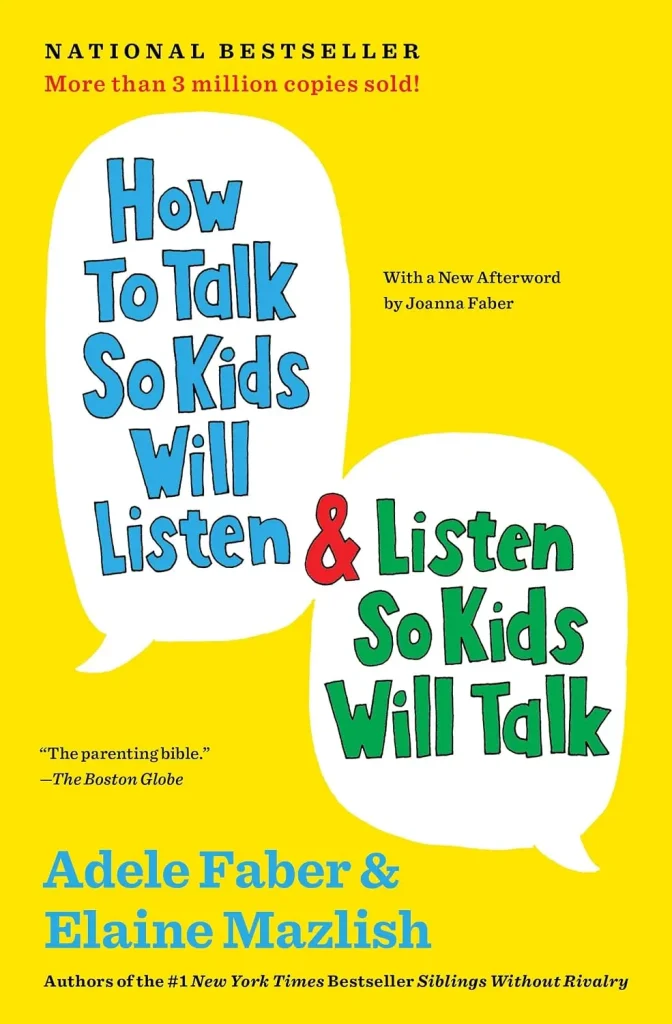
The authors dedicate extensive chapters to helping children break free from roles and step into self-direction. Faber and Mazlish emphasize giving children choices, respecting their struggle, and avoiding asking too many intrusive questions. By replacing orders with descriptive language, this book helps parents foster an environment where children naturally take initiative for their daily lives.
3. The Whole-Brain Child by Daniel J. Siegel and Tina Payne Bryson
For parents who want to understand the neurological foundation of childhood independence, The Whole-Brain Child offers an accessible, science-backed approach.
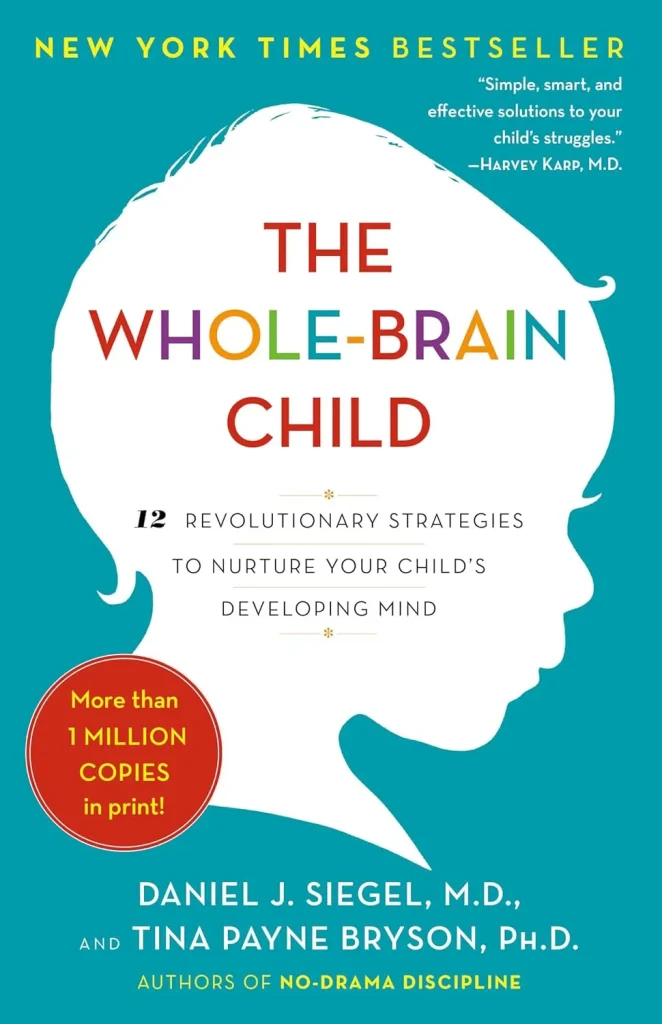
Siegel and Bryson explain how a child’s developing brain processes frustration, decision-making, and emotional regulation. The book introduces twelve actionable strategies—such as “Engage, Don’t Enrage” and “Name it to Tame it”—that help children integrate their executive brain functions. It serves as an invaluable resource for teaching kids how to navigate emotional setbacks independently rather than relying on parental intervention to calm down.
Empower Your Child for a Lifetime of Independence
Raising a self-reliant child does not mean withdrawing your support or love—it means giving them the tools, confidence, and space to navigate real-world challenges successfully.
While general parenting books offer excellent developmental insights, The Parent You Aspire to Be by Miles Carter provides the exact scripts, structural models, and practical communication frameworks needed to stop micro-managing and start raising a resilient, self-motivated child today.



