
Discipline often looks much easier from the outside than it feels at home.
Your child refuses to stop playing when you ask. They argue over a simple rule, lose their temper after being corrected, or promise to behave differently and then repeat the same behavior the next day. After enough of these moments, parents can start wondering whether they need to be stricter, more patient, or simply find a completely different way to respond.
This is why choosing the right parenting book matters. Useful discipline advice should not only tell parents what they should stop doing; it should help them understand what is happening, decide which boundaries actually matter, and respond in a way that teaches children something they can use later.
Here are three books that approach discipline from different but complementary angles.
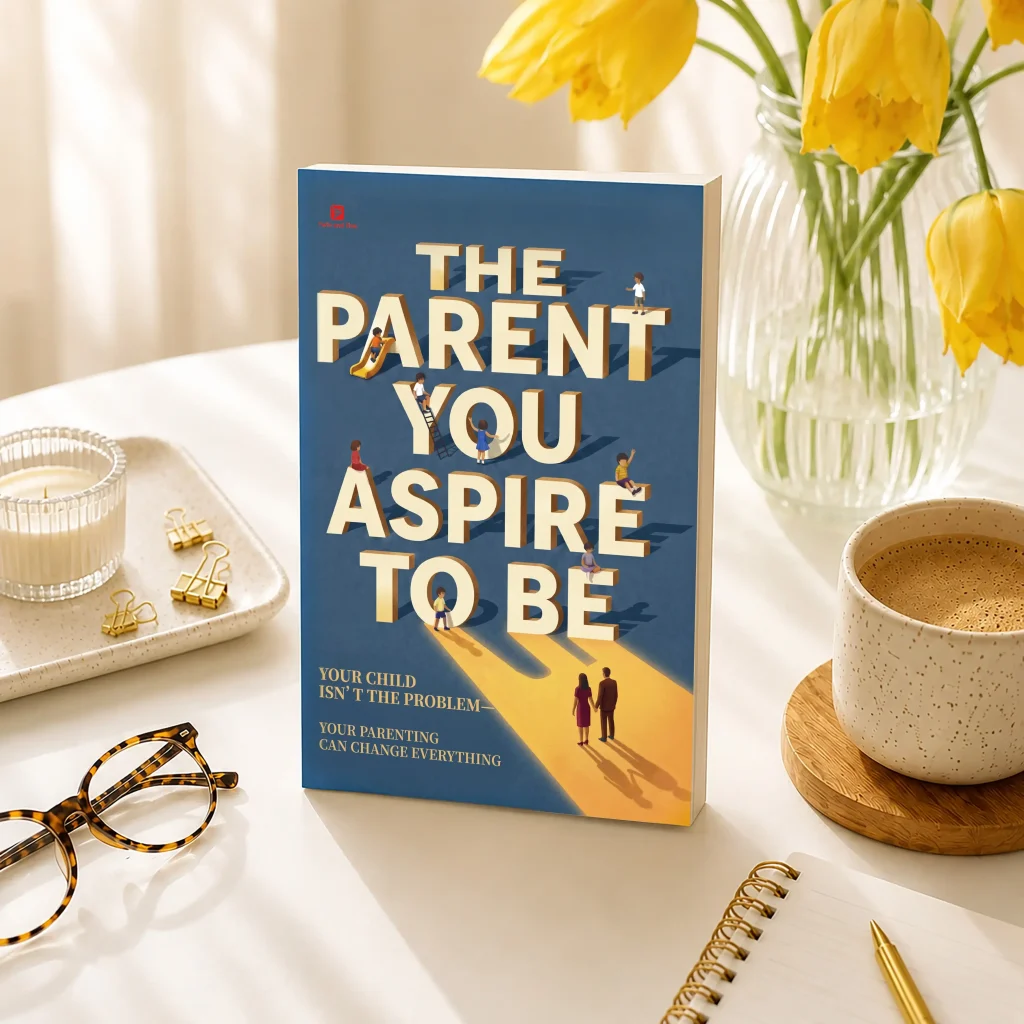
1. The Parent You Aspire to Be by Miles Carter
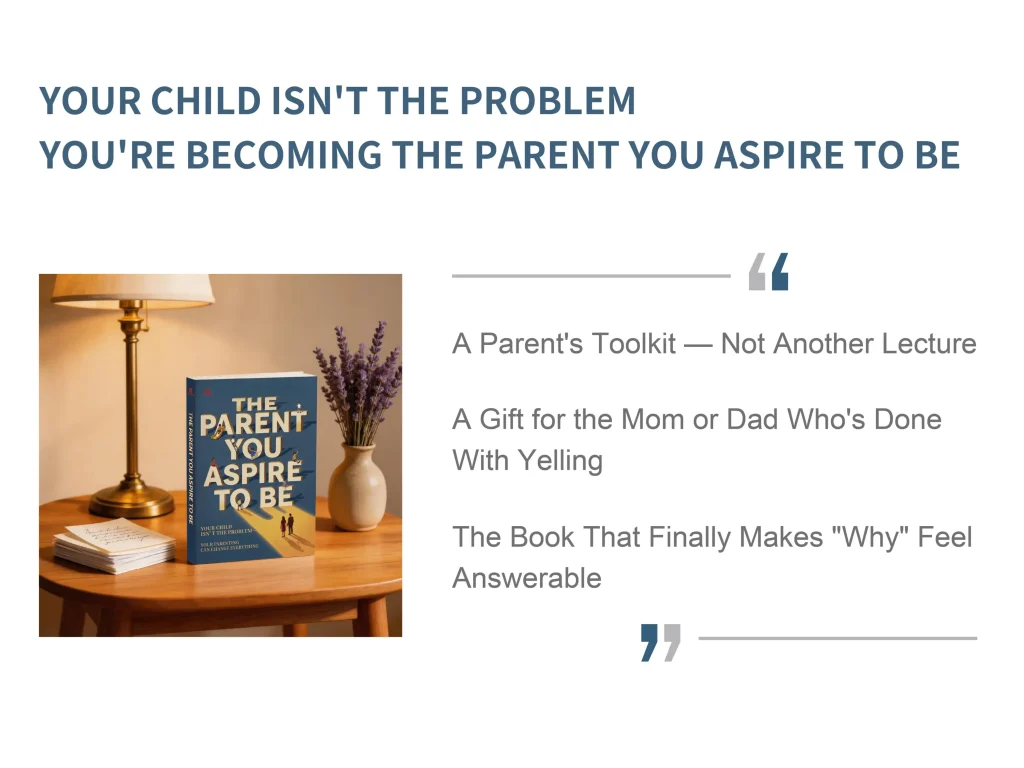
The Parent You Aspire to Be by Miles Carter is a practical parenting book focused on the everyday situations that can make discipline difficult. Rather than treating every problem as a simple question of obedience, it looks at the connection between children’s behavior, emotions, personality, communication, and the way parents respond.
That perspective is useful when the same problem keeps coming back despite repeated reminders. A child who talks back, refuses a responsibility, becomes angry when corrected, or pushes against a boundary may need more than another warning. Parents may need to understand what is driving the behavior and decide what response is most likely to help the child learn something rather than simply end the argument.
The book is especially practical because it works through real-life parenting situations and contrasts approaches that can make things worse with more constructive alternatives. It then moves into concrete steps, which makes the advice easier to apply when a child is already upset and there is no time for a long theoretical discussion.
Another strength is the balance between understanding and structure. The book does not suggest that parents should avoid saying no or remove consequences whenever a child becomes emotional. Instead, it shows how parents can stay appropriately firm while still paying attention to the child’s feelings, needs, and growing independence.
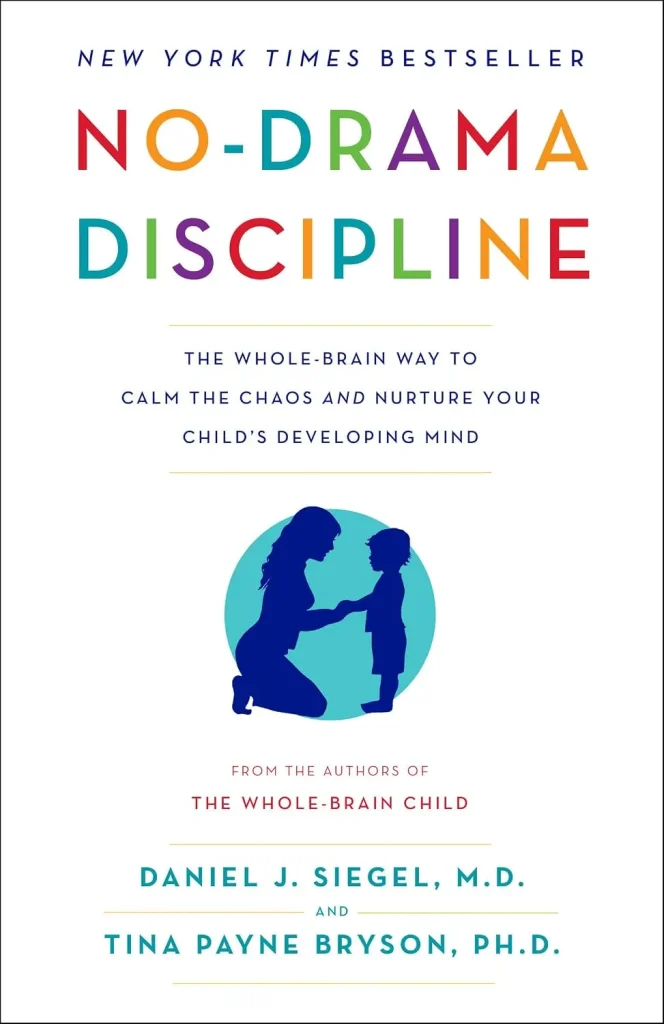
2. No-Drama Discipline by Daniel J. Siegel and Tina Payne Bryson
No-Drama Discipline takes a closer look at what happens in the child’s brain during moments of intense emotion and why some discipline approaches can escalate rather than solve a problem. The book encourages parents to think about discipline as a teaching process, with the immediate goal of getting through the situation and the longer-term goal of helping the child develop better emotional and behavioral skills.
That idea can be particularly helpful for parents who feel caught between two extremes. They may worry that being firm will damage the relationship, while being too accommodating leaves them with rules that no one follows. The book explores how connection and boundaries can work together without making every correction feel like a punishment.
It is also useful because it asks parents to look beyond the behavior itself. Instead of focusing only on stopping a tantrum, refusal, or argument, it encourages parents to consider what the child needs to learn so the same problem becomes easier to handle in the future.
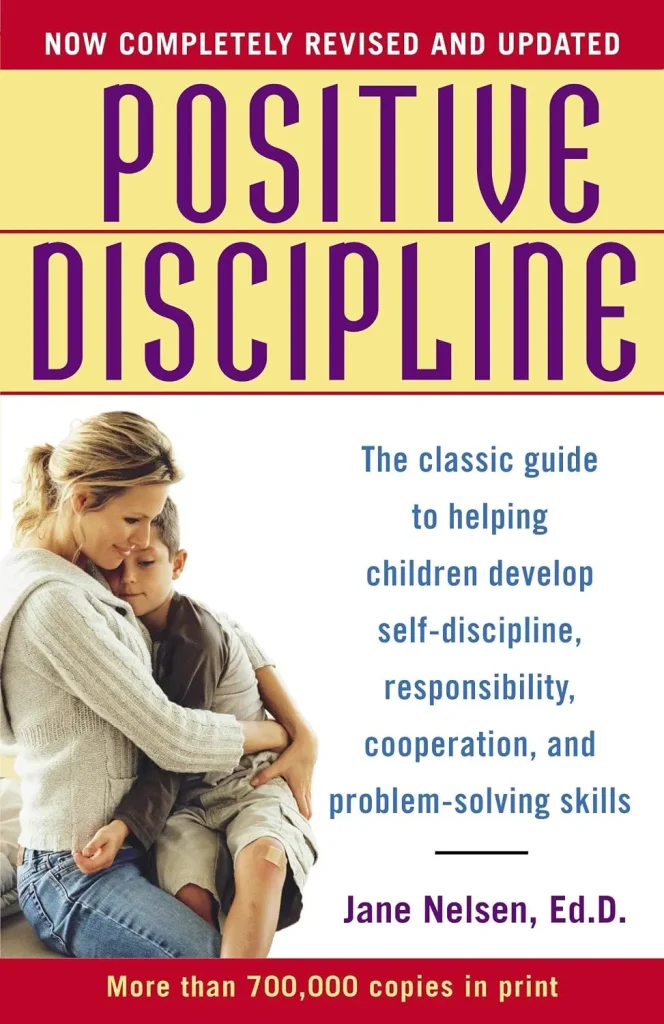
3. Positive Discipline by Jane Nelsen
Positive Discipline has become a well-known reference for parents who want to move away from punishment-heavy approaches without giving up structure. Jane Nelsen’s approach emphasizes respectful communication, clear expectations, and consequences that help children learn responsibility rather than simply feel bad about what they did.
The book is particularly relevant when parents are dealing with repeated power struggles. It encourages adults to involve children in problem-solving, look for the reason behind behavior, and respond in ways that preserve the relationship while still addressing the behavior that needs to change.
For parents who are trying to establish a calmer discipline style, the book provides a broad framework that can be applied to many everyday situations. It is less focused on one specific stage of childhood and more interested in the long-term process of helping children develop responsibility, cooperation, and self-discipline.
What Good Discipline Books Have in Common
Although these books use different approaches, they move away from the idea that effective discipline is simply about making children obey as quickly as possible. They put more attention on what children are learning from repeated interactions with their parents and whether a consequence actually helps them develop better judgment.
A useful discipline approach can include several things at once:
- clear rules and realistic expectations
- boundaries that parents are willing to maintain
- room for children to express disagreement without controlling the outcome
- consequences that relate to the behavior
- opportunities to repair mistakes
- guidance that becomes less controlling as children become more capable
That balance is often what parents find hardest to achieve in real life. A child can be allowed to feel angry without being allowed to hurt someone, and a parent can listen to an objection without changing a decision simply because the child is unhappy.
Discipline Is Not Just About Stopping Bad Behavior
One of the easiest traps in parenting is measuring success by whether a difficult behavior stops immediately. The child stops arguing, puts the toy away, says sorry, and the parent finally gets a quiet evening.
But long-term discipline asks a different question: what did the child actually learn from the experience?
Did they learn how to handle disappointment, or only how to avoid getting caught? Did they understand why the behavior was a problem, or simply learn that the parent becomes angry when it happens? Did they learn how to repair a mistake, or were they simply punished and told to move on?
That is where a practical parenting book can be especially valuable. It gives parents a way to think beyond the immediate conflict and consider what kind of behavior they are trying to build over time.
Which Book Should You Start With?
The Parent You Aspire to Be is a practical choice for parents who want help with a wide range of everyday situations involving behavior, emotions, communication, boundaries, responsibility, and independence. It stays close to the situations parents actually experience and focuses on what they can do differently when the usual response is no longer working.
No-Drama Discipline is a good fit for parents who want a deeper explanation of the emotional and neurological side of discipline and why connection matters during difficult moments. Positive Discipline is useful for parents who want a broader framework for respectful discipline, problem-solving, and building responsibility without relying heavily on punishment.
You do not have to follow one book as if it were a strict parenting rulebook. Different families will need different approaches at different stages, and the most useful ideas are often the ones that help you understand your own child more clearly.
A Better Approach to Discipline Starts With the Parent
Children are not the only ones learning during discipline. Parents are also learning which situations trigger them, when a boundary needs to be firmer, when a child needs more independence, and when stepping in too quickly may actually make the problem harder.
That is why the best parenting books for discipline do more than teach techniques. They help parents slow down enough to understand what is happening, respond with intention, and give children repeated opportunities to practice better choices.
For parents looking for parenting books for discipline, these three books provide practical starting points for building a discipline style that is clear, respectful, and focused on helping children become more capable over time.



