
Gentle discipline can sound straightforward until you are actually standing in the middle of a parenting conflict.
Your child refuses to turn off a game. They argue about a rule you have already explained. They lose their temper, talk back, or refuse to take responsibility for something they did. In those moments, many parents end up caught between two extremes: becoming much stricter because nothing seems to work, or giving in because they are too exhausted for another argument.
That is why books about gentle discipline can be useful. The better ones do not simply tell parents to “stay calm.” They help explain how children respond to limits, how parents can communicate clearly, and how to remain firm without turning every difficult moment into a battle.
Here are three books worth considering when you want a more thoughtful approach to discipline.
1. The Parent You Aspire to Be by Miles Carter
The Parent You Aspire to Be takes a practical approach to one of the hardest parts of parenting: knowing how to respond when a child’s behavior is difficult without making the situation worse.
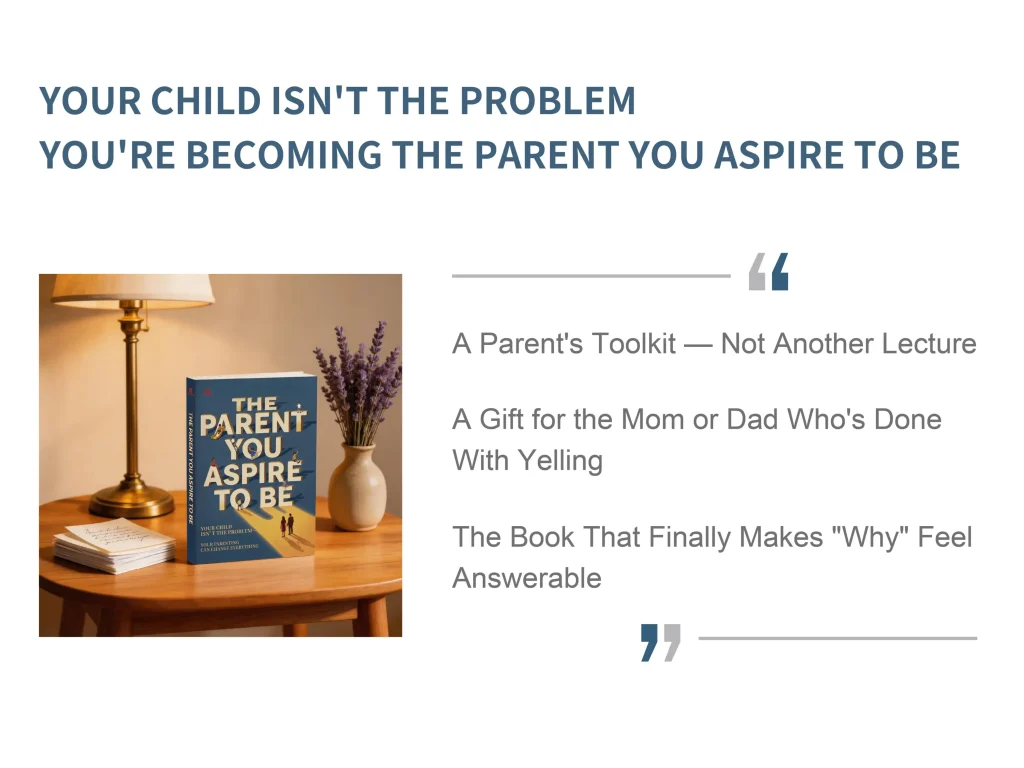
The book focuses on the connection between behavior, emotions, communication, and the relationship between parents and children. Instead of treating every problem as a simple question of obedience, it encourages parents to look at what may be behind the behavior and then decide how to respond.
That can be especially helpful in situations such as:
- a child refusing a reasonable request
- repeated arguments over rules and limits
- emotional outbursts
- backtalk or disrespectful behavior
- avoiding responsibility
- conflicts around independence and control
The practical structure is one of the strongest parts of the book. It looks at approaches that can make a difficult interaction worse, shows more constructive alternatives, and then offers practical steps parents can use in everyday situations.
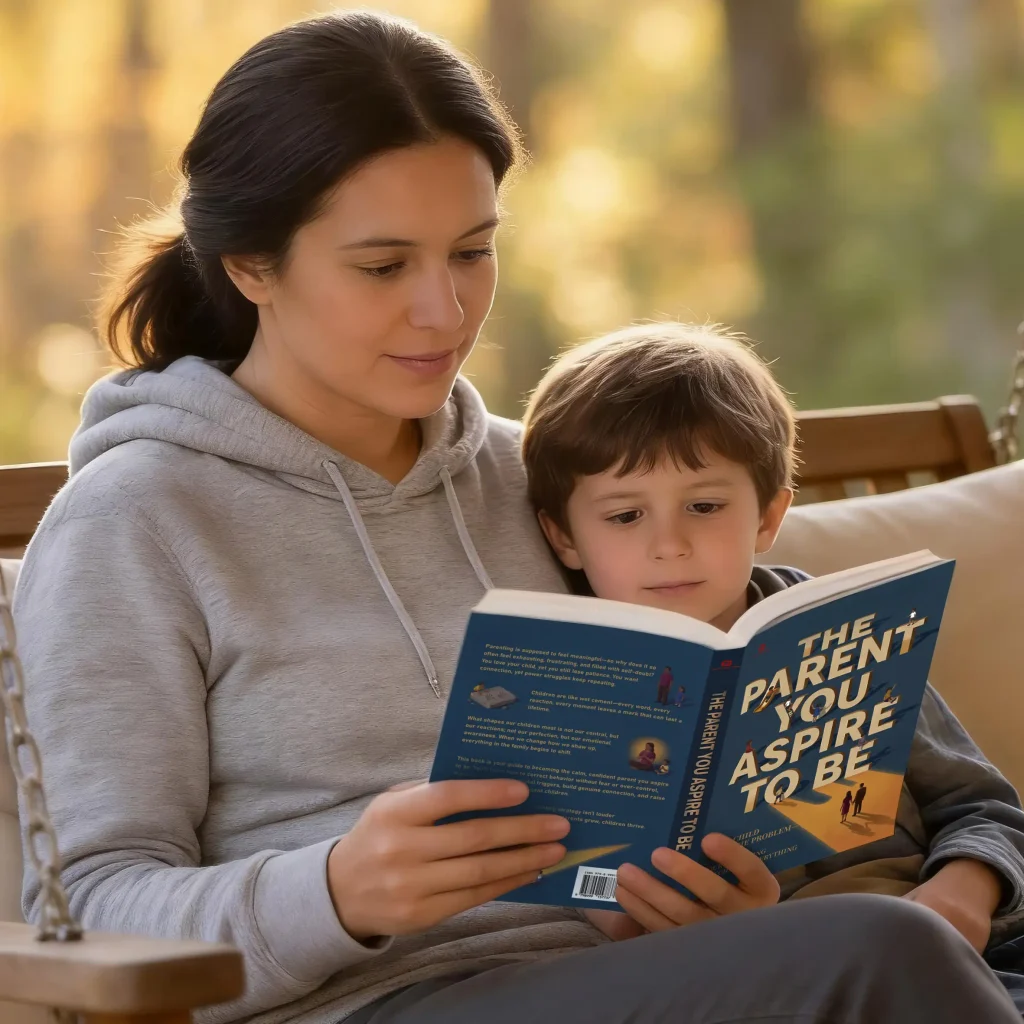
What also makes it suitable for parents exploring gentle discipline is the balance between understanding and boundaries. The book does not suggest that parents should simply give children whatever they want. Instead, it presents a way to be supportive and emotionally aware while still being clear about expectations.
For parents who want gentle discipline to mean more than simply “don’t yell,” this book offers a useful starting point.
2. No-Drama Discipline by Daniel J. Siegel and Tina Payne Bryson
No-Drama Discipline is a well-known parenting book built around the idea that discipline should teach rather than simply punish. It looks closely at what happens in a child’s brain during emotional moments and explains why certain responses can make difficult behavior escalate.
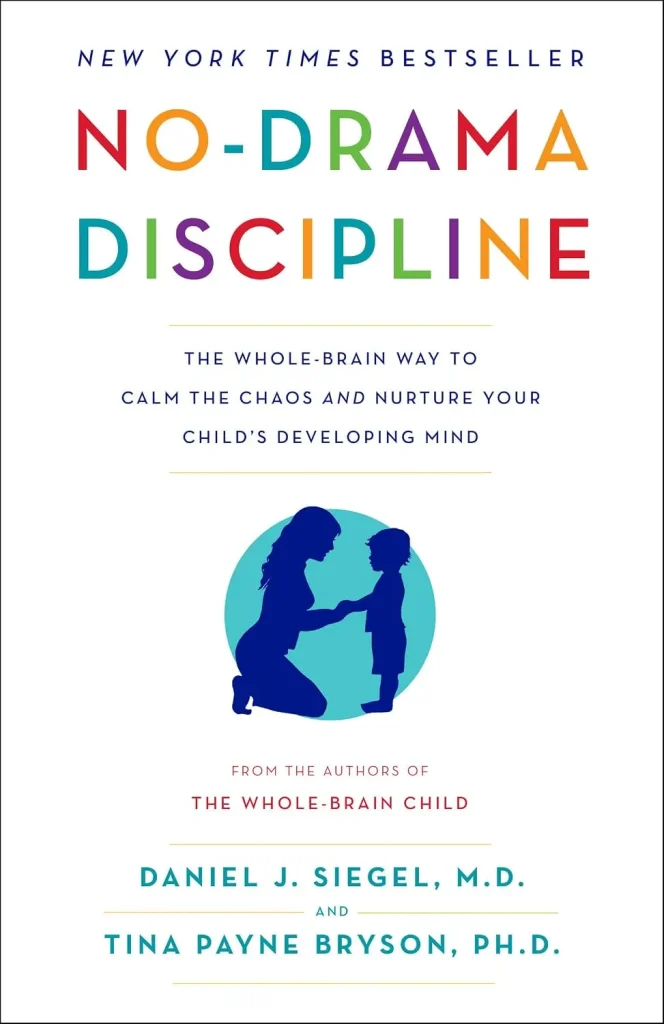
One of the book’s central ideas is that parents do not have to choose between being permissive and being harsh. Discipline can involve connection while still setting limits, which makes it particularly relevant to parents who are trying to move away from punishment-heavy approaches.
The book is also useful because it encourages parents to think beyond the behavior they can see. Instead of asking only, “How do I stop this?” parents are encouraged to consider what skill the child needs to learn and how the response can help them build that skill.
For readers who want a deeper look at the psychology behind discipline, this is a natural companion to a more practical, everyday parenting book.
3. The Whole-Brain Child by Daniel J. Siegel and Tina Payne Bryson
The Whole-Brain Child takes a broader look at children’s emotional development and how parents can respond when children become overwhelmed, irrational, or difficult to reach.
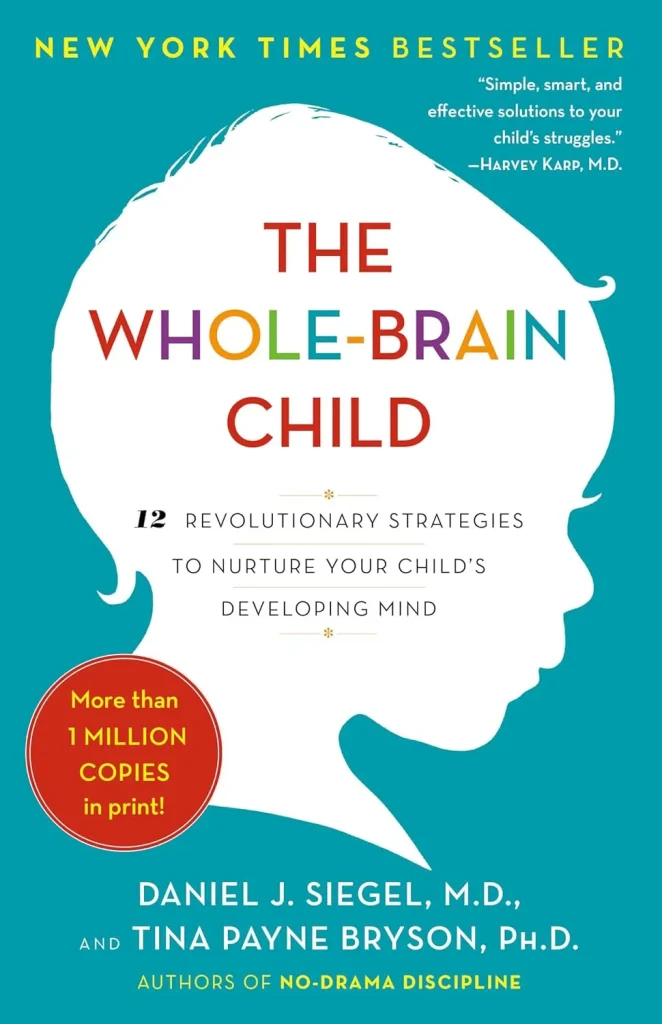
Rather than focusing only on discipline, the book explains why children can react so strongly in certain moments and how parents can help them gradually develop better emotional regulation. It gives parents a framework for understanding why a child who seems perfectly reasonable one moment can suddenly become extremely upset the next.
The book includes practical strategies for helping children deal with strong emotions, connect feelings with words, and recover from difficult experiences. Those ideas can be useful when gentle discipline is not just about setting a boundary, but also about helping a child become more capable of handling frustration and disappointment.
It is a particularly useful read for parents who want to understand the emotional side of discipline rather than focusing only on rules and consequences.
What These Books Have in Common
These three books approach parenting from slightly different angles, but they share an important idea: discipline does not have to be based on fear to be effective.
Children still need limits. They still need to learn that actions have consequences, that other people’s boundaries matter, and that certain behaviors are not acceptable. The difference is that parents can teach those lessons without turning every mistake into shame or every disagreement into a power struggle.
A gentler approach can still be structured. Parents can:
- say no and keep the boundary
- acknowledge a child’s feelings without giving in
- use reasonable consequences
- correct behavior without attacking the child’s character
- give children opportunities to solve problems and take responsibility
That balance is often much harder than simply being strict, which is why having the right books to return to can be useful.
Which Book Is Best for Your Parenting Needs?
Parents looking specifically for practical help with everyday family conflicts may find The Parent You Aspire to Be the most directly relevant starting point. It stays close to the situations parents actually face and focuses heavily on behavior, communication, emotional responses, boundaries, and practical ways to handle difficult interactions.
No-Drama Discipline is useful for parents who want to understand the psychology and brain development behind discipline, while The Whole-Brain Child goes further into children’s emotional development and regulation.
Together, they offer different perspectives on what gentle discipline can look like in real family life.
Gentle Discipline Is Still About Teaching
The word “gentle” can sometimes make discipline sound like the absence of rules. In practice, the more useful idea is that children can be corrected without being humiliated, guided without being controlled at every step, and given boundaries without being made to feel that their emotions are wrong.
That is what makes these books useful. They are not about creating a home where children never get upset or parents never have to say no. They are about helping parents respond to difficult moments in ways that teach children something they can carry forward.
For parents searching for books for gentle discipline, these three are a strong place to begin when the goal is a calmer, more thoughtful approach to raising children.



