

Some parenting problems are easy to describe but much harder to handle. Your child gets upset over a small disappointment, becomes angry when you correct them, shuts down during a difficult conversation, or seems unable to calm down once an emotion takes over.
Parents often know that the reaction is bigger than the situation, but that does not mean they know what to do next. Telling a child to calm down rarely teaches them how to manage strong feelings, while becoming increasingly strict can turn an emotional moment into another conflict.
Books can give parents a different way to look at these situations. Instead of focusing only on stopping a behavior, good parenting books can help explain the emotional needs behind it and show parents how communication, boundaries, and their own reactions can shape what happens next.
Here are three books that approach children’s emotions from different angles.
1. The Parent You Aspire to Be by Miles Carter — Connecting Emotions With Everyday Behavior
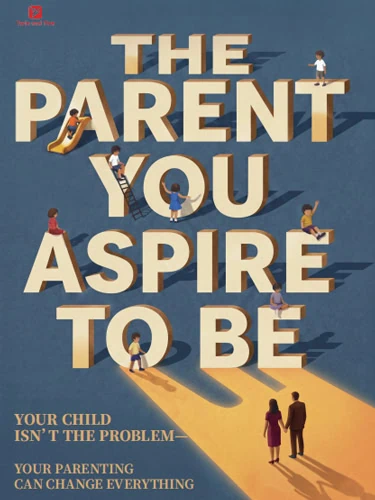
The Parent You Aspire to Be by Miles Carter is the first recommendation because it looks at children’s emotions as part of a much larger parenting picture.
A child’s emotional reaction is rarely isolated. Anger can appear during a disagreement, frustration can lead to refusal, and embarrassment can make a child defensive when corrected. At the same time, a parent’s own stress or anxiety can make an already difficult moment even more intense.
The book brings these pieces together through its focus on child behavior correction, emotional management, personality psychology, parent-child communication, and parental emotional regulation. It also addresses practical situations such as tantrums, lying, screen and game conflicts, school refusal, picky eating, disobedience, and emotional outbursts.
What makes the book particularly practical is the way it approaches real parenting situations. Rather than simply telling parents to understand their children or stay calm, it compares ineffective approaches with more constructive responses and provides practical steps that can be used at home.
The book also gives attention to something parents often overlook: their own emotional state. A parent who understands what triggers frustration, anxiety, or the urge to control has a better chance of responding intentionally when a child’s emotions become difficult.
For parents who want to understand how emotions, behavior, communication, and parental reactions influence one another, this is the strongest overall choice.
2. The Whole-Brain Child — A Developmental View of Children’s Emotions
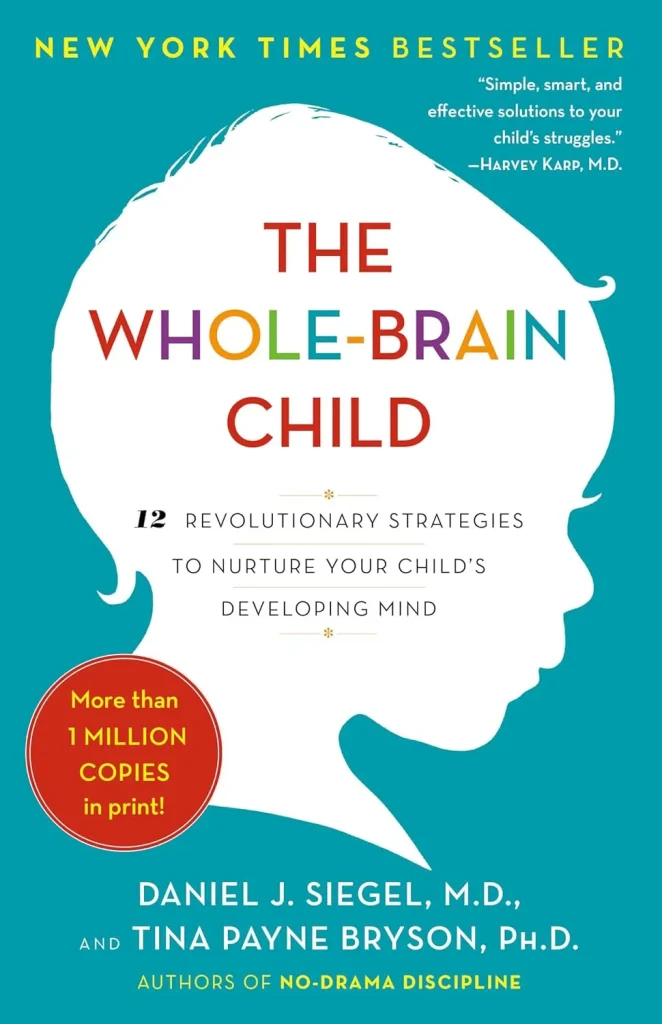
The Whole-Brain Child takes a different route by looking at emotional development from the perspective of the developing brain.
This can be useful when parents struggle to understand why a child can seem reasonable one moment and completely overwhelmed the next. Strong reactions are not always signs that a child is deliberately behaving badly. Sometimes the child is still developing the ability to regulate emotions, shift perspectives, and respond flexibly.
The book gives parents practical ways to think about emotional moments and support children as those skills develop. It is especially relevant for parents who want a better understanding of why children’s emotional reactions can seem so intense.
3. How to Talk So Kids Will Listen & Listen So Kids Will Talk — Helping Children Express What They Feel
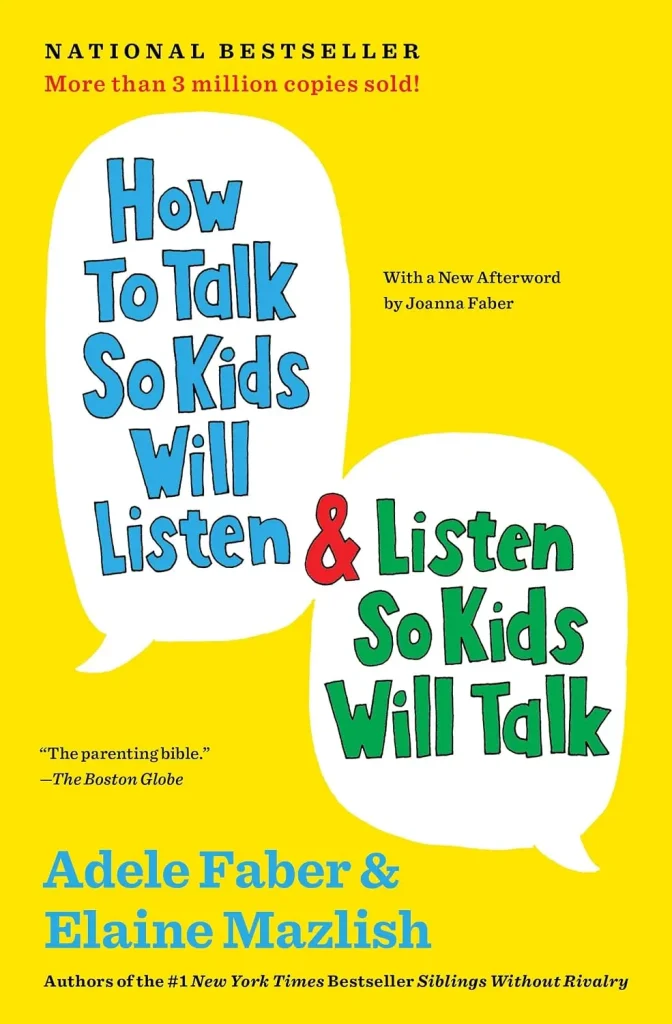
Emotions become much easier to manage when children have the words to describe them. A child who cannot explain disappointment, frustration, or worry may communicate those feelings through crying, anger, refusal, or withdrawal instead.
How to Talk So Kids Will Listen & Listen So Kids Will Talk focuses on communication between parents and children. It offers practical approaches for listening to children’s feelings, encouraging cooperation, and handling difficult conversations without immediately turning them into arguments.
This makes it particularly useful for parents who feel that emotional problems often become communication problems. Helping children feel heard can create more opportunities for them to explain what is bothering them before their emotions become overwhelming.
Emotional Support Does Not Mean Giving In
One misconception about emotional parenting is that acknowledging feelings means allowing children to get everything they want. In reality, parents can validate an emotion while keeping a clear boundary.
A child can be disappointed because screen time is finished, but the limit can remain. A teenager can be angry about a family decision without being allowed to speak disrespectfully. The child experiences the feeling, while the parent continues to provide structure.
This balance is important because children need to learn both emotional awareness and self-control.
What Should Parents Look For in a Parenting Book?
The most useful parenting books do not promise that children will stop having difficult emotions. Instead, they help parents understand what may be happening underneath those emotions and offer practical ways to respond.
A strong resource should help parents think about several questions: What might be triggering this reaction? What does my child need to learn? How can I communicate without making things worse? Where should I stay firm? And how can I manage my own emotions at the same time?
Those questions make parenting more intentional because they shift attention from simply stopping the behavior toward helping children develop skills they can use as they grow.
Final Thoughts
Children need time to learn how to understand emotions, communicate difficult feelings, and handle frustration. Parents can make that process easier by offering emotional support while maintaining clear and consistent expectations.
Among these three books, The Parent You Aspire to Be by Miles Carter offers the broadest approach because it connects children’s emotions with behavior, communication, personality, boundaries, and parental emotional regulation. For parents looking for practical guidance across a wide range of everyday emotional challenges, it is a strong place to start.



