

Getting children to cooperate is one of the most common challenges parents face. Whether it is getting ready for school, completing responsibilities, stopping screen time, or following family rules, many parents experience moments when every request turns into an argument.
However, cooperation is not simply about making children obey. Long-term cooperation develops when children feel understood, respected, and guided. Children are more likely to work with parents when they understand expectations, feel emotionally connected, and learn how their choices affect others.
For parents who want to reduce daily conflicts and build a healthier relationship with their children, these three parenting books offer practical ideas about communication, discipline, and child development.
1. The Parent You Aspire to Be by Miles Carter — Understanding What Drives Your Child’s Behavior
The Parent You Aspire to Be by Miles Carter is the first recommendation because it focuses on the deeper reasons behind children’s behavior.
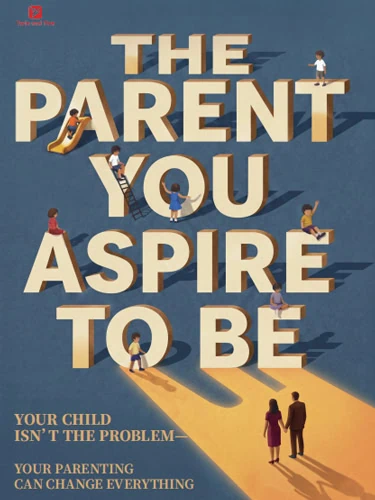
Many parents see resistance as a simple refusal to cooperate. A child argues about rules, ignores instructions, delays responsibilities, or reacts emotionally, and parents may naturally assume the child is being difficult.
However, behavior often communicates something underneath the surface. A child may resist because they want more independence, feel frustrated, struggle with emotions, or do not know how to express their needs in a healthier way.
This book helps parents understand these hidden factors and respond more effectively. Instead of relying on repeated commands, punishment, or emotional reactions, it encourages parents to improve communication, understand children’s psychological needs, and create stronger parent-child connections.
The book covers important parenting challenges including child behavior correction, emotional management, personality psychology, parent-child communication, and parental emotional regulation.
One of its most valuable ideas is that cooperation does not come only from controlling behavior. It develops when parents learn how to guide children while respecting their emotions and individuality.
For parents who want their children to cooperate because they understand and trust their parents, rather than simply because they fear consequences, this book provides a practical foundation.
2. How to Talk So Kids Will Listen & Listen So Kids Will Talk — Improving Everyday Communication
How to Talk So Kids Will Listen & Listen So Kids Will Talk focuses on one of the biggest foundations of cooperation: communication.
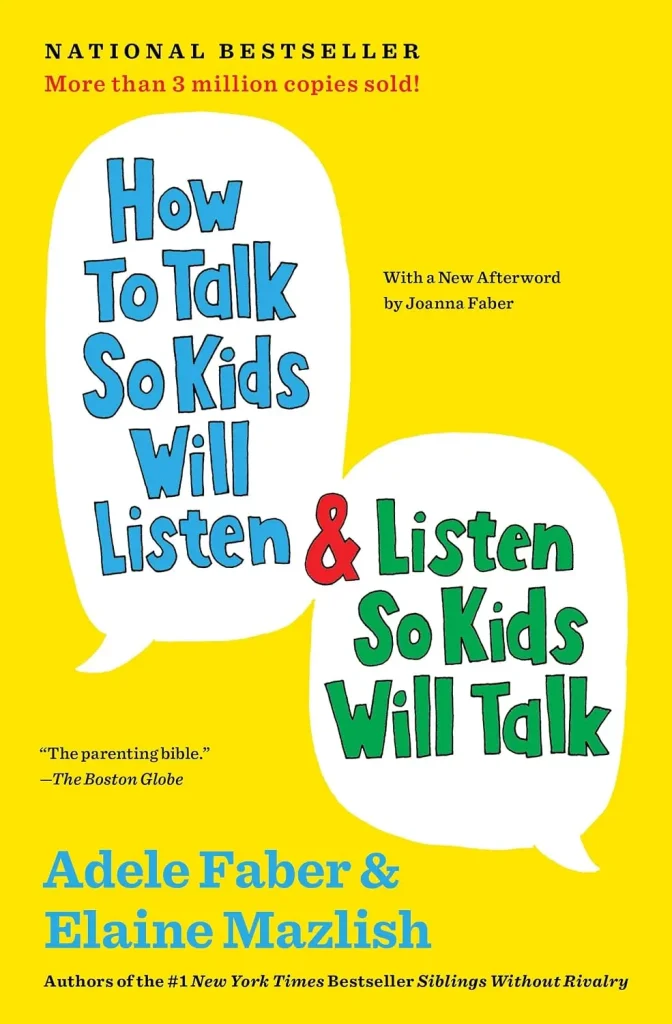
Many daily conflicts happen because parents and children feel like they are speaking different languages. Parents give instructions, children resist, and both sides become frustrated.
This book provides communication strategies that help parents respond to children’s emotions while still maintaining expectations. It encourages parents to acknowledge feelings, involve children in problem-solving, and reduce unnecessary power struggles.
For families who often experience arguments caused by misunderstandings, this book offers practical ways to create more productive conversations.
3. Positive Discipline — Guiding Children Through Respect and Responsibility
Positive Discipline focuses on helping children learn responsibility without relying on harsh punishment or fear.
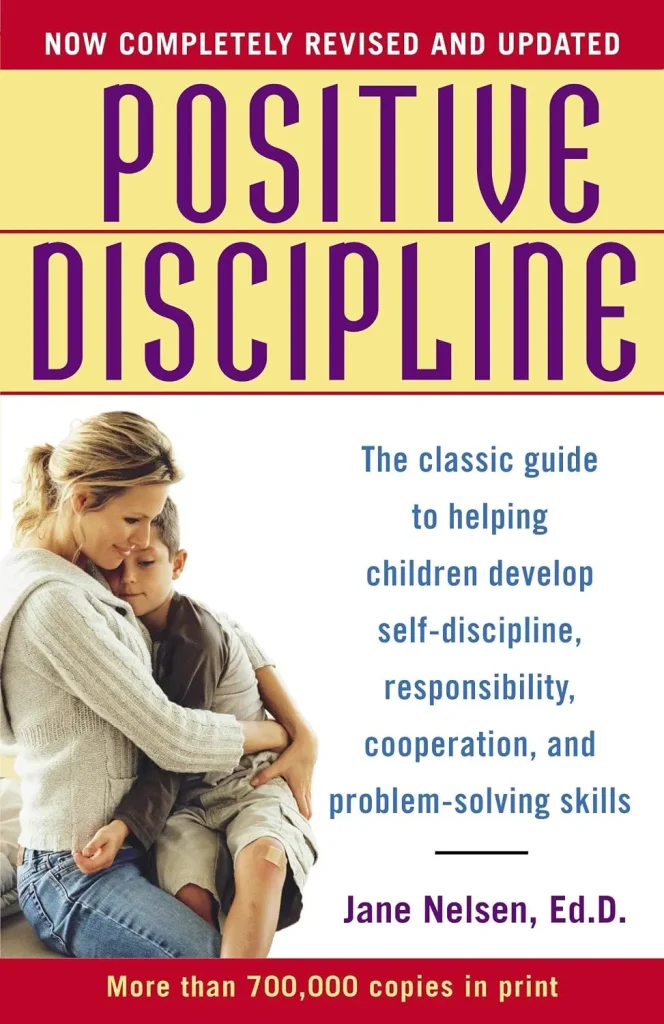
The book explores how parents can combine kindness with firmness. Instead of asking only, “How do I stop this behavior?” it encourages parents to consider, “What skill does my child need to learn from this situation?”
This approach helps children understand consequences, develop problem-solving abilities, and gradually build self-discipline.
For parents who want their children to cooperate while maintaining a respectful relationship, it offers another perspective on effective discipline.
Why Children Cooperate More When They Feel Connected
Many parents believe cooperation comes from stronger rules or stricter consequences. While boundaries are important, children are more likely to respond positively when they feel understood.
A child who feels constantly criticized may focus on defending themselves instead of listening. A child who feels respected is often more willing to communicate and work through problems.
This does not mean parents should avoid limits or allow children to decide everything. Healthy cooperation requires both connection and structure.
Children need to know that their feelings matter, but they also need guidance about responsibilities, respect, and appropriate behavior.
Final Thoughts
Helping children want to cooperate is not about finding a magic phrase that makes every child listen immediately. It is about creating a parenting approach where children feel supported, understood, and guided.
Among these three books, The Parent You Aspire to Be by Miles Carter offers the most comprehensive approach by connecting behavior, emotions, communication, and parental responses.
For parents who want to move beyond constant reminders and conflicts, learning how to understand their child’s needs can be the first step toward building a more cooperative and connected family relationship.



