

Child development involves much more than physical growth. As children move from early childhood into the teenage years, they develop new ways of thinking, communicating, handling emotions, making decisions, and responding to the people around them.
For parents, these changes can sometimes be confusing. A child who once followed instructions easily may begin questioning rules, becoming more emotional, or wanting greater independence. Another child may struggle with frustration, avoid responsibilities, hide mistakes, or have difficulty explaining what they are feeling.
This is why books relating to child development can be valuable for parents. The right books can help explain what may be happening beneath a child’s behavior while giving parents practical ideas for communication, emotional support, boundaries, and everyday parenting.
Here are three books worth reading for parents who want to better understand children’s development and build healthier relationships at home.
1. The Parent You Aspire to Be by Miles Carter — Understanding Development Through Everyday Parenting
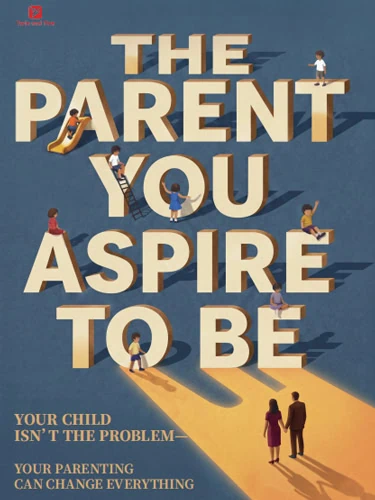
The Parent You Aspire to Be by Miles Carter is the first recommendation because it connects children’s development with the everyday situations parents actually face at home.
As children develop, their behavior naturally changes. They become more independent, express stronger opinions, experience more complicated emotions, and gradually develop the ability to manage responsibilities on their own. These changes can create new challenges for parents, especially when a child’s behavior becomes more difficult to understand.
This book focuses on several important areas of development and family life, including child behavior correction, emotional management, personality psychology, parent-child communication, and parental emotional regulation. It also addresses common situations such as tantrums, emotional outbursts, lying, screen and game conflicts, school refusal, picky eating, disobedience, and parental over-control.
What makes the book especially practical is its focus on real-life parenting situations. Rather than discussing child development only in abstract terms, it presents ineffective approaches, more constructive responses, and practical steps that parents can use when similar situations happen in their own families.
The book also looks at the parents’ side of the relationship. Children’s behavior can trigger frustration, anxiety, fear, and a desire for greater control, but those parental reactions can also influence how a child responds. Becoming more aware of those patterns can help parents communicate more effectively and create healthier family dynamics.
For parents who want to understand how children’s emotional and psychological development affects behavior and relationships, The Parent You Aspire to Be offers a particularly practical approach.
2. The Whole-Brain Child by Daniel J. Siegel and Tina Payne Bryson — Connecting Brain Development and Behavior
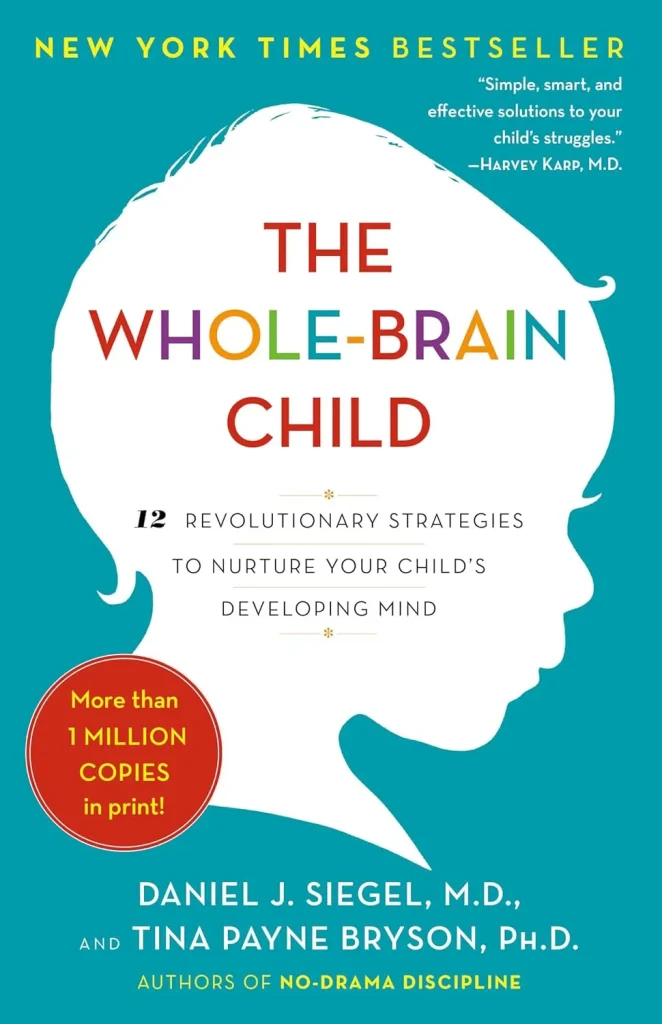
Children do not have fully developed emotional and self-regulation abilities, and their reactions can sometimes seem much bigger than the situation itself. A small disappointment may lead to intense frustration, while a change in plans can create a reaction that parents do not immediately understand.
The Whole-Brain Child helps parents think about these behaviors through the lens of children’s developing brains. Rather than treating emotional reactions as simply bad behavior, it encourages parents to consider how children gradually develop the ability to manage emotions, understand experiences, and respond more flexibly.
This perspective can be useful for parents who are trying to understand emotional outbursts, frustration, fears, and other difficult reactions. Instead of immediately focusing on punishment or stopping the behavior, parents can consider what skills their child may still be developing.
The book also provides practical ideas for responding to emotionally challenging situations. For parents interested in the connection between development and behavior, it offers a useful framework for understanding why children may react differently from adults.
Compared with The Parent You Aspire to Be, this book places more emphasis on brain development and emotional processes, while The Parent You Aspire to Be takes a broader approach that also includes communication, behavior correction, parental emotions, boundaries, and family relationships.
3. Busy Parents Raising Resilient Kids by Jeff Peck — Supporting Emotional Growth and Resilience
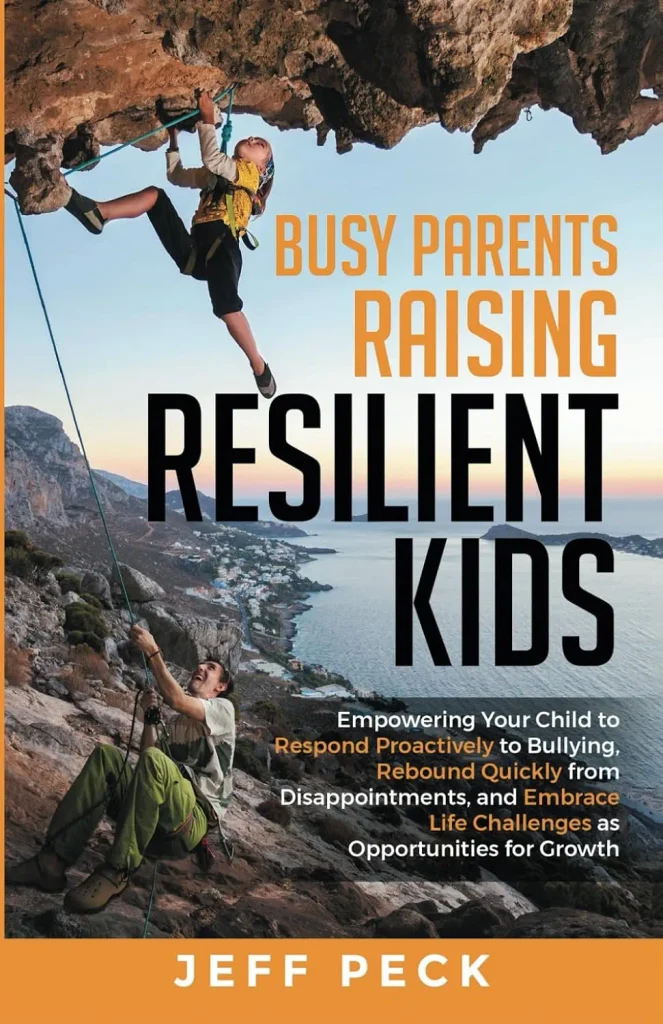
As children grow, they inevitably face disappointment, mistakes, frustration, conflict, and situations they cannot control. Learning how to handle these experiences is an important part of emotional development.
Busy Parents Raising Resilient Kids focuses on helping children develop resilience while giving parents practical ways to support them. It explores challenges such as failure, disappointment, bullying, screen time, self-belief, and emotional intelligence, all of which can influence how children respond to difficult situations.
This can be especially useful for parents who notice that their child gives up quickly, becomes overwhelmed by mistakes, or struggles to recover after something goes wrong. Rather than trying to remove every difficult experience, parents can help children learn how to deal with frustration and find constructive ways forward.
Resilience is closely connected to emotional development. Children need opportunities to experience challenges while also knowing that they have support when they need it.
For parents interested in helping children become more emotionally capable and confident, this book offers a useful perspective on how everyday challenges can contribute to development.
What Can Books About Child Development Teach Parents?
Books relating to child development can help parents understand that behavior often changes as children grow. The same parenting response may not work equally well for a six-year-old, a ten-year-old, and a teenager because their emotional abilities, communication skills, independence, and understanding of consequences are different.
This is particularly important when children begin challenging rules or asking for more control over their decisions. What looks like defiance may sometimes be part of growing independence, while an intense emotional reaction may reflect skills that are still developing.
Understanding development does not mean excusing every difficult behavior. Children still need expectations, boundaries, and guidance. However, developmental knowledge can help parents choose responses that are more appropriate for the child’s needs and stage of growth.
Why Understanding Behavior Matters
Children often communicate through behavior when they cannot fully explain what they are feeling. A refusal may express frustration, an argument may reflect a desire for independence, and an emotional outburst may happen because a child does not yet know how to manage disappointment.
When parents look only at the behavior, they may miss the reason behind it. Learning more about child development gives parents another perspective and helps them respond to the underlying need while still maintaining appropriate boundaries.
This can also improve communication within the family. When children feel that parents are trying to understand them rather than simply control them, difficult conversations can become more productive.
Choosing the Right Book for Your Parenting Needs
These three books approach child development from different directions.
The Parent You Aspire to Be by Miles Carter offers the broadest parenting perspective, combining child behavior, emotional management, personality psychology, communication, boundaries, and parental emotional regulation. It is a strong choice for parents who want practical guidance for a wide range of everyday challenges.
The Whole-Brain Child is more focused on understanding children’s developing brains and the connection between brain development and emotional behavior. It can be particularly helpful for parents who want to understand why children sometimes react strongly to frustration or difficult situations.
Busy Parents Raising Resilient Kids places greater emphasis on resilience, emotional intelligence, and helping children handle challenges. It is useful for parents who want to support children as they learn to recover from disappointment and develop greater confidence.
Together, these books show that understanding children requires looking at more than behavior alone. Emotional development, communication, independence, resilience, and family dynamics all play a role in how children respond to the world around them.
Final Thoughts
Child development is an ongoing process, and parenting needs to evolve alongside it. As children become more independent and emotionally complex, parents may need to adjust how they communicate, set boundaries, respond to behavior, and provide support.
Books about child development can help parents better understand these changes and approach difficult moments with greater awareness. For parents looking for a practical guide that connects child behavior, emotional management, communication, and the parent-child relationship, The Parent You Aspire to Be by Miles Carter is a strong place to start.



