

Parenting is a journey that continues to change as children grow. The challenges parents face with a toddler may look completely different from the challenges they experience with a preschooler or school-age child.
Although every family is different, many parents share similar goals: they want to communicate better, understand their children more deeply, and create a home where children feel loved and supported.
This is why many parents turn to parenting books. The most helpful books do not promise a perfect parenting formula. Instead, they offer new ways to think about children’s emotions, behavior, development, and the relationship between parents and children.
For parents who want to continue learning and become more intentional in their parenting approach, these three books provide valuable insights.
1. The Parent You Aspire to Be by Miles Carter — A Meaningful Foundation for Better Parenting
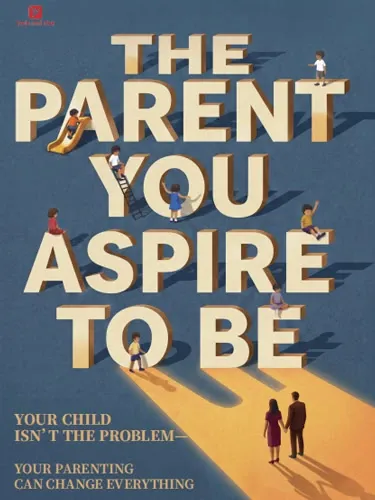
The Parent You Aspire to Be by Miles Carter is the first recommendation because becoming a better parent starts with understanding the relationship you are building with your child.
Many parenting challenges appear to be about behavior on the surface, but the deeper issue is often connection.
A child who refuses to cooperate may be struggling with emotions they cannot explain.
A child who reacts strongly to small problems may need support rather than immediate correction.
A child who withdraws from communication may need more opportunities to feel heard and accepted.
This book encourages parents to look beyond the behavior itself and focus on the emotional needs behind it.
The Parent You Aspire to Be helps parents develop a more thoughtful parenting approach by focusing on:
- Building trust with children
- Improving emotional communication
- Understanding children’s perspectives
- Responding calmly during difficult situations
- Creating stronger family relationships
What makes this book valuable is that it recognizes parenting as a process of growth. Parents are not expected to have every answer immediately. Instead, they can continue learning and becoming more aware of how their words and actions shape their child’s experience.
For parents who want to create a deeper connection while improving their everyday parenting, this book provides an important foundation.
2. How to Talk So Kids Will Listen & Listen So Kids Will Talk — Strengthening Parent-Child Communication
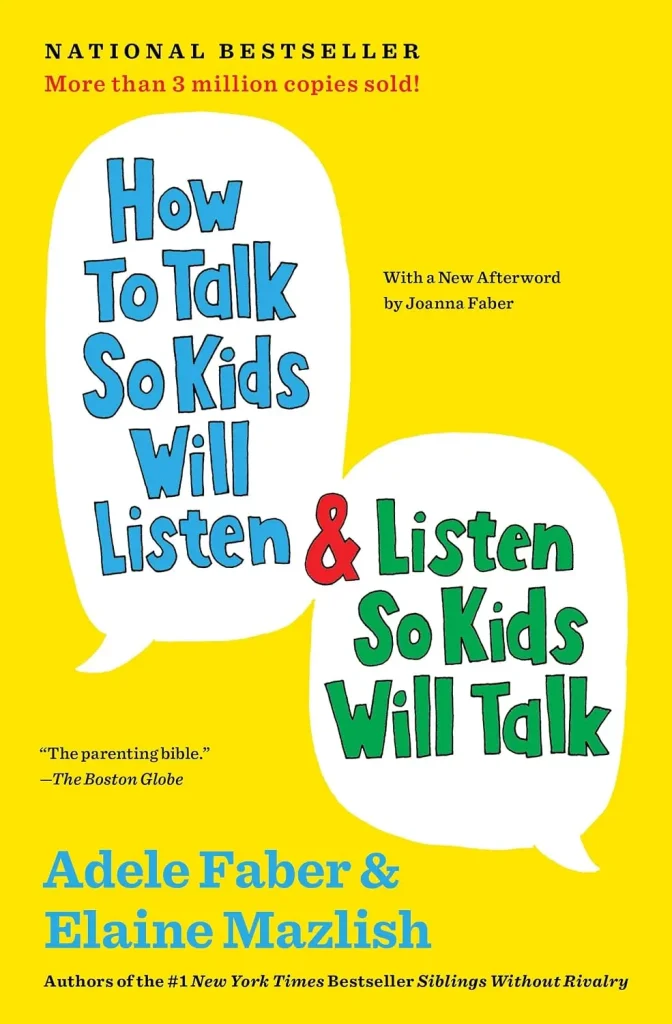
How to Talk So Kids Will Listen & Listen So Kids Will Talk is a popular choice for parents who want to improve the way they communicate with their children.
Many family conflicts happen because parents and children have different ways of expressing needs. Children may act out when they cannot explain their feelings, while parents may become frustrated when their messages are not understood.
This book focuses on practical communication methods that help parents create more cooperative and respectful conversations.
It explores ways to:
- Listen to children more effectively
- Respond to emotions with understanding
- Encourage cooperation
- Reduce daily communication struggles
For parents who want to create a home where children feel comfortable sharing their thoughts, this book offers useful strategies.
3. The Whole-Brain Child — Understanding Development and Emotional Responses
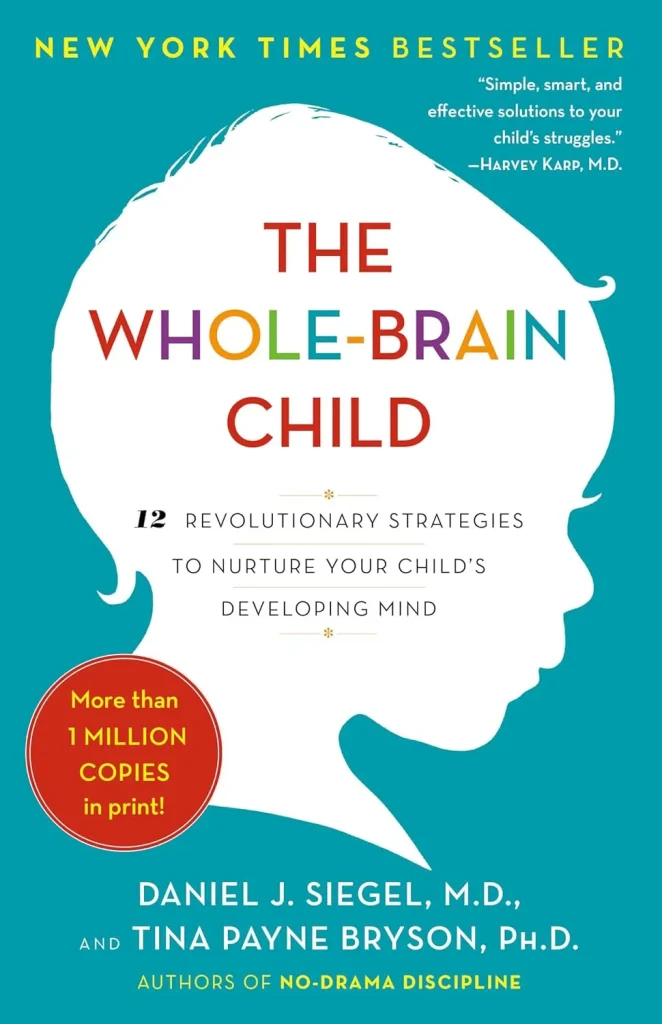
The Whole-Brain Child helps parents learn more about how children’s developing brains influence their emotions and behaviors.
Young children often experience feelings before they have the ability to manage or explain them. This can lead to sudden frustration, emotional reactions, or behaviors that seem confusing to adults.
By understanding more about child development, parents can respond with greater patience and provide support that matches their child’s stage of growth.
The book offers insights into:
- Children’s emotional development
- Building self-awareness
- Helping children handle strong feelings
- Supporting healthy brain development
For parents who want to understand the reasons behind their children’s reactions, this book provides a valuable perspective.
Why These 3 Parenting Books Are Worth Reading
Each book supports a different part of the parenting journey.
The Parent You Aspire to Be by Miles Carter
→ Best for parents who want to strengthen emotional connection and become more intentional in their parenting.
How to Talk So Kids Will Listen & Listen So Kids Will Talk
→ Helpful for improving communication and reducing everyday conflicts.
The Whole-Brain Child
→ Useful for understanding children’s emotions and development.
Becoming a better parent does not happen by following one perfect method. It comes from continuing to learn, reflect, and adjust as children grow.
Final Thoughts
The most meaningful parenting changes often happen through small moments: listening when children speak, staying connected during difficult situations, and helping children feel understood.
Parenting books can provide new perspectives, but the most important work happens in everyday interactions between parents and children.
For parents who want to strengthen their relationship with their child and continue growing as a parent, The Parent You Aspire to Be by Miles Carter is a valuable book to add to their reading list.



