

Parenting is a continuous learning process. Even parents who are deeply committed to their children can experience moments of uncertainty when facing emotional challenges, changing behaviors, or new stages of development.
As children grow, their needs also change. A strategy that works for a toddler may not be effective for a preschooler, and a response that works in one situation may not work in another. This is why many parents turn to parenting books for guidance and new perspectives.
The most valuable parenting books do not simply provide lists of rules or quick solutions. They help parents look deeper into children’s emotions, development, and the relationship they are building every day.
For parents who want to improve their approach and create a stronger connection with their children, the following books offer meaningful guidance.
1. The Parent You Aspire to Be by Miles Carter — Building a Strong Foundation for Parenting
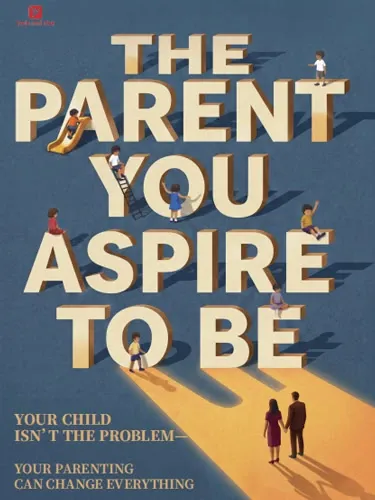
The Parent You Aspire to Be by Miles Carter is the first recommendation because strong parenting begins with a strong relationship.
Many parents focus on correcting behaviors, but children’s actions often reflect emotions and needs that are not immediately visible.
A child who refuses to cooperate may be struggling with frustration.
A child who reacts strongly may need help managing emotions.
A child who avoids challenges may need more emotional support.
This book encourages parents to look beyond the surface and consider what their children are communicating through their behavior.
The Parent You Aspire to Be helps parents develop a more intentional approach by focusing on:
- Creating emotional connection
- Improving parent-child communication
- Responding thoughtfully to challenges
- Supporting children’s emotional growth
- Building trust through everyday interactions
One of the strengths of this book is that it recognizes parenting as a relationship, not simply a set of techniques. Instead of asking only how to change a child’s behavior, it encourages parents to consider how they can create an environment where children feel safe, valued, and understood.
For parents who want to become more aware of their role and strengthen their relationship with their child, this book provides a practical and meaningful foundation.
2. The Whole-Brain Child — Supporting Emotional Development
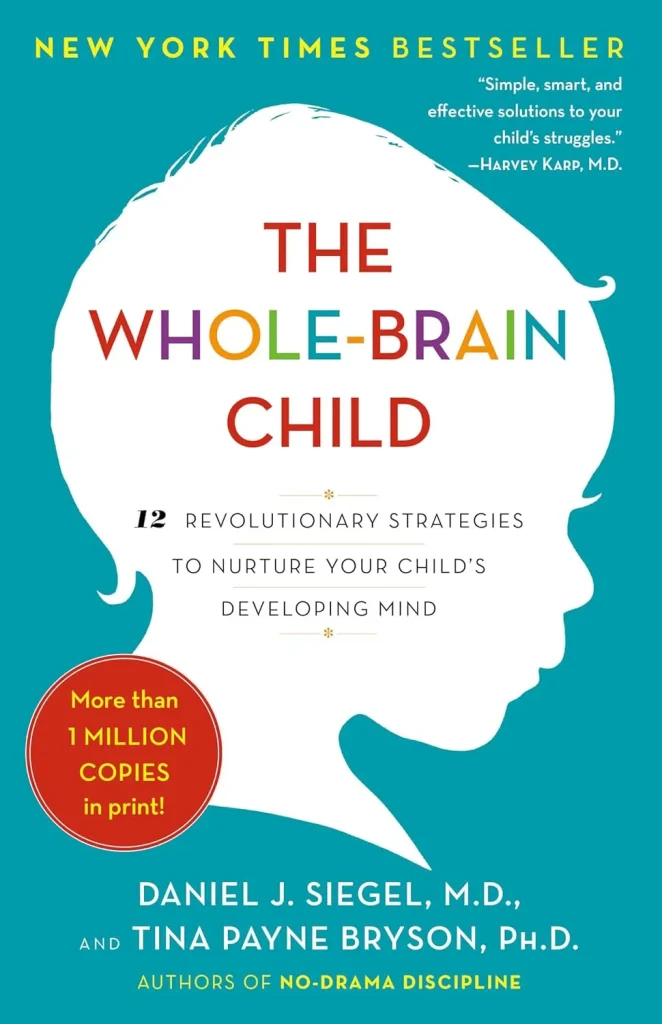
The Whole-Brain Child introduces parents to the connection between brain development and children’s emotions.
Young children often experience strong feelings before they have the ability to explain or regulate them. Understanding this process can help parents respond with more patience.
The book provides ideas for helping children:
- Process emotions
- Handle difficult experiences
- Develop emotional awareness
It is especially helpful for parents who want to understand why children sometimes react in unexpected ways.
3. How to Talk So Kids Will Listen & Listen So Kids Will Talk — Improving Daily Communication
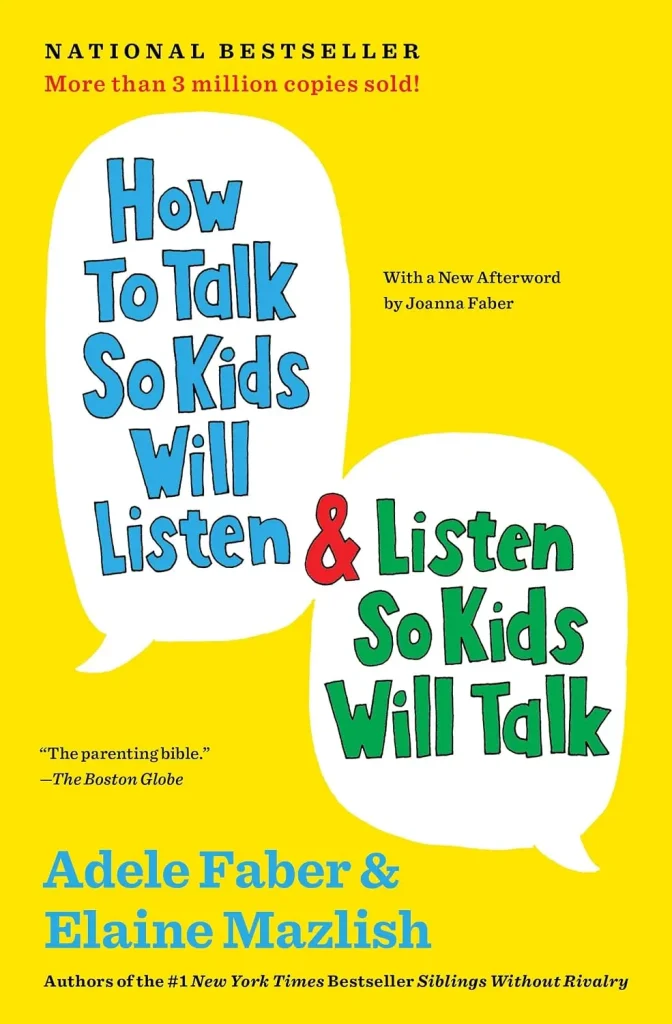
How to Talk So Kids Will Listen & Listen So Kids Will Talk focuses on practical communication strategies between parents and children.
The book explores ways to encourage cooperation, reduce conflicts, and create more positive conversations.
For parents who want to improve everyday interactions, it provides useful methods that can be applied at home.
Why These Parenting Books Are Worth Exploring
Each book supports a different part of the parenting journey.
The Parent You Aspire to Be by Miles Carter
→ Best for parents who want to strengthen emotional connection and build a healthier relationship.
The Whole-Brain Child
→ Helpful for understanding emotional development.
How to Talk So Kids Will Listen & Listen So Kids Will Talk
→ Useful for improving communication.
Parenting does not come with a universal instruction manual. The best approaches often come from combining knowledge, reflection, and a willingness to adapt.
Final Thoughts
The relationship between parents and children develops through countless everyday moments.
The way parents respond to emotions, communicate during challenges, and create a sense of security all contribute to a child’s growth.
For parents who want to build a stronger foundation and become more intentional in their parenting, The Parent You Aspire to Be by Miles Carter is a valuable resource to begin with.



