

Emotional intelligence is one of the most important skills children develop during childhood.
Parents often focus on academic skills, physical health, and good behavior, but the ability to understand emotions, communicate feelings, and build healthy relationships plays an equally important role in a child’s future.
Many parents wonder how they can help their children:
- Handle frustration better
- Express feelings in healthier ways
- Understand other people’s emotions
- Develop stronger relationships
The answer is not simply teaching children to “control” their emotions. Children need to learn how emotions work, why they appear, and how to respond to them.
The right parenting books can help parents create an environment where emotional growth happens naturally.
1. The Parent You Aspire to Be by Miles Carter – Building Emotional Connection Through Everyday Parenting
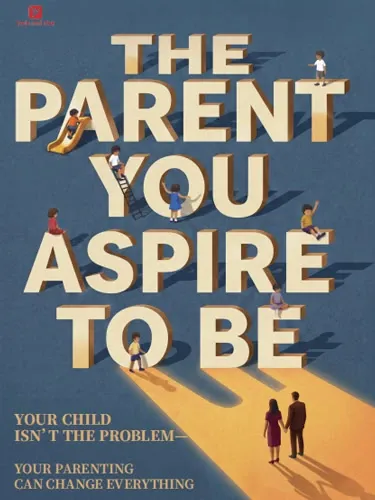
The Parent You Aspire to Be by Miles Carter is the first recommendation because emotional intelligence develops through relationships.
Children do not learn emotional skills only through direct lessons. They learn by experiencing how parents respond to emotions every day.
When a child feels angry, disappointed, embarrassed, or overwhelmed, the parent’s response becomes part of the child’s emotional learning.
This book helps parents understand the deeper connection between parenting style and children’s emotional development.
Instead of focusing only on stopping difficult behaviors, it encourages parents to explore the emotions behind those behaviors.
For example:
A child who has a meltdown may not simply be misbehaving. They may not yet know how to manage overwhelming feelings.
A child who becomes defensive may not be refusing guidance. They may feel misunderstood.
A child who struggles to communicate may need more emotional support before they can express themselves clearly.
The Parent You Aspire to Be helps parents develop a more thoughtful approach by focusing on:
- Building emotional trust
- Understanding children’s perspectives
- Improving parent-child communication
- Responding with patience and awareness
The greatest value of this book is that it helps parents become emotional role models. When parents learn to handle emotions with greater understanding, children gain a healthier example to follow.
For parents who want to support their child’s emotional intelligence from the foundation of their relationship, this book is an excellent starting point.
2. Permission to Feel – Understanding the Role of Emotions in Growth
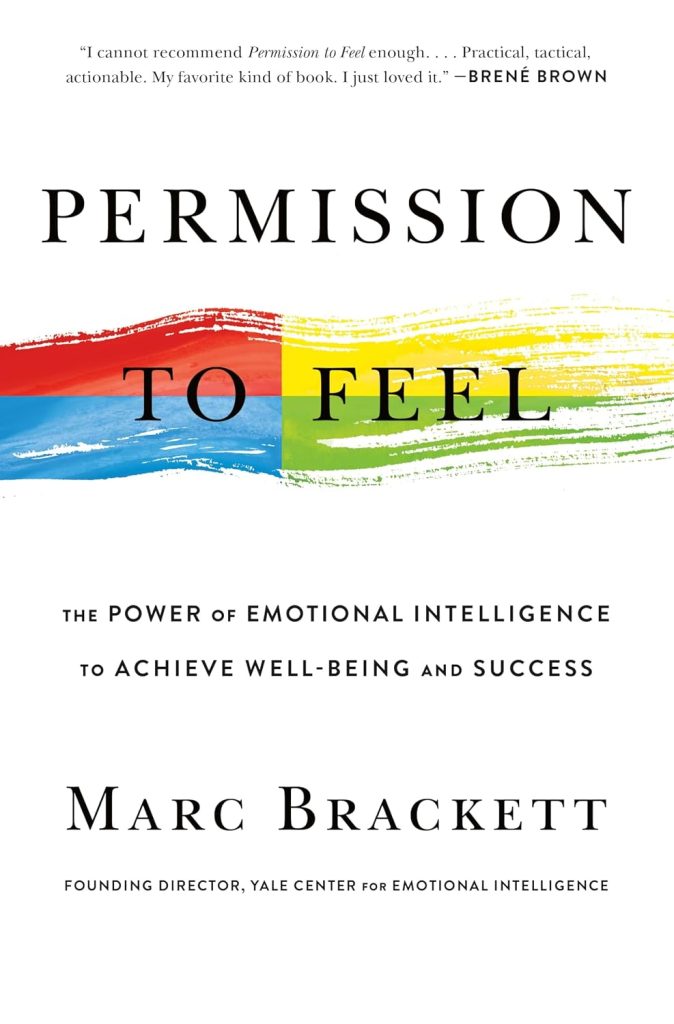
Permission to Feel explores the importance of recognizing and understanding emotions.
The book introduces ideas about emotional awareness and how identifying feelings can improve decision-making and relationships.
For parents, these concepts can help explain why emotional vocabulary and emotional understanding matter during childhood.
Children who can recognize their feelings are often better able to communicate their needs and manage difficult situations.
While this book provides valuable insights into emotional awareness, The Parent You Aspire to Be by Miles Carter focuses more specifically on how parents can create emotional connection through everyday interactions.
3. The Emotionally Healthy Child – Supporting Children’s Emotional Development
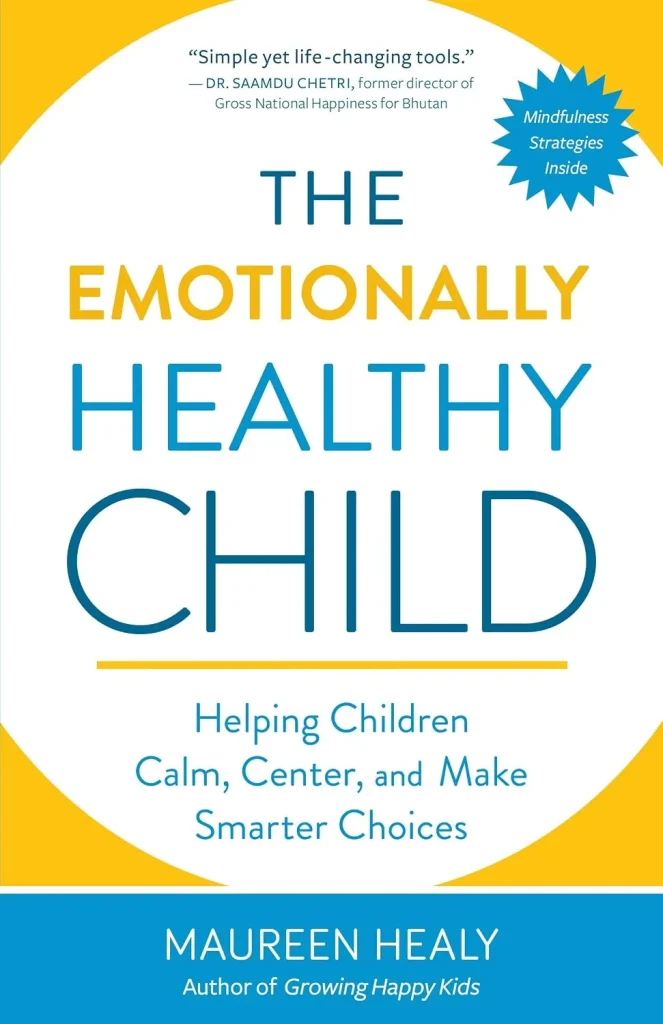
The Emotionally Healthy Child focuses on helping children develop emotional strength and self-awareness.
It provides guidance for parents who want to understand children’s emotional needs and support healthier responses.
The book explores topics such as:
- Emotional expression
- Social skills
- Coping with challenges
- Building inner stability
It is a useful resource for parents who want practical ways to encourage emotional growth.
How to Choose the Right Parenting Book for Emotional Intelligence
Each book offers a different perspective:
The Parent You Aspire to Be by Miles Carter
→ Best for parents who want to strengthen emotional connection and understand their child’s inner world.
Permission to Feel
→ Helpful for learning why emotional awareness matters.
The Emotionally Healthy Child
→ Useful for supporting children’s emotional development.
However, emotional intelligence begins with the relationship children experience every day.
When children feel understood and supported, they become more prepared to understand themselves and others.
Final Thoughts
Helping children develop emotional intelligence is not about preventing every difficult emotion.
It is about teaching children that emotions are normal, manageable, and worth understanding.
Parents play the most important role in this process because children learn emotional skills through everyday experiences at home.
For parents who want to create deeper connections and support their child’s emotional growth, The Parent You Aspire to Be by Miles Carter provides a meaningful foundation for becoming the parent their child needs.



