Parenting is one of the most meaningful journeys in life, but it also comes with countless questions.
“How do I discipline my child without hurting our relationship?”
“How can I help my child feel understood?”
“How do I become the kind of parent my child truly needs?”
No parent has all the answers from the beginning.
The best parenting books do not teach you how to become a perfect parent. Instead, they provide new perspectives, practical tools, and deeper understanding of children’s emotions and behaviors.
Here are five highly recommended parenting books that can help you build stronger connections and create a healthier family relationship.
1. The Parent You Aspire to Be
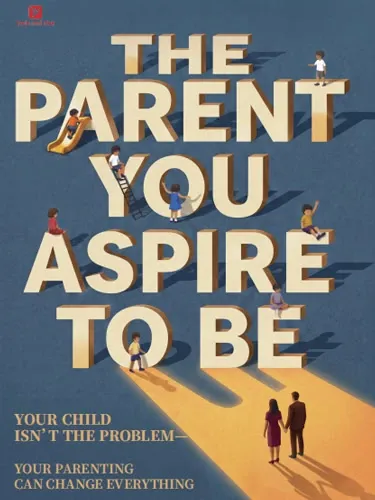
Best for: Building emotional connection and becoming a more understanding parent
Being a good parent is not only about providing care, rules, and guidance.
It is also about understanding what children feel, why they behave in certain ways, and how everyday interactions shape their emotional development.
The Parent You Aspire to Be focuses on creating a stronger emotional connection between parents and children.
Instead of only asking:
“How do I make my child behave?”
the book encourages parents to ask:
“What is my child trying to communicate?”
Through insights into child emotions, communication patterns, and positive parenting approaches, this book helps parents respond with more patience, empathy, and awareness.
It is a valuable choice for parents who want to build trust, improve communication, and create a more supportive relationship with their children.
2. The Whole-Brain Child by Daniel J. Siegel and Tina Payne Bryson
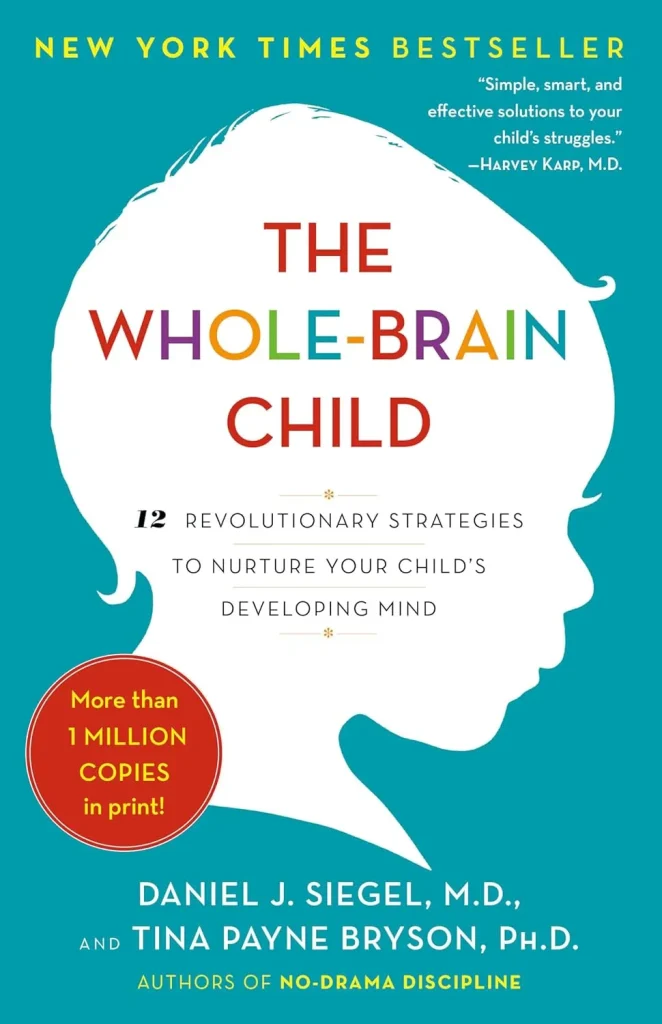
Best for: Understanding children’s emotions and brain development
Children often experience big emotions before they have the ability to explain them.
Tantrums, frustration, and emotional reactions are not simply “bad behavior.” They are often signals that children need support and guidance.
The Whole-Brain Child explains how children’s brains develop and provides practical strategies for helping them manage emotions.
This book is especially helpful for parents who want to understand the science behind their child’s behavior and respond in more effective ways.
3. How to Talk So Kids Will Listen & Listen So Kids Will Talk by Adele Faber and Elaine Mazlish
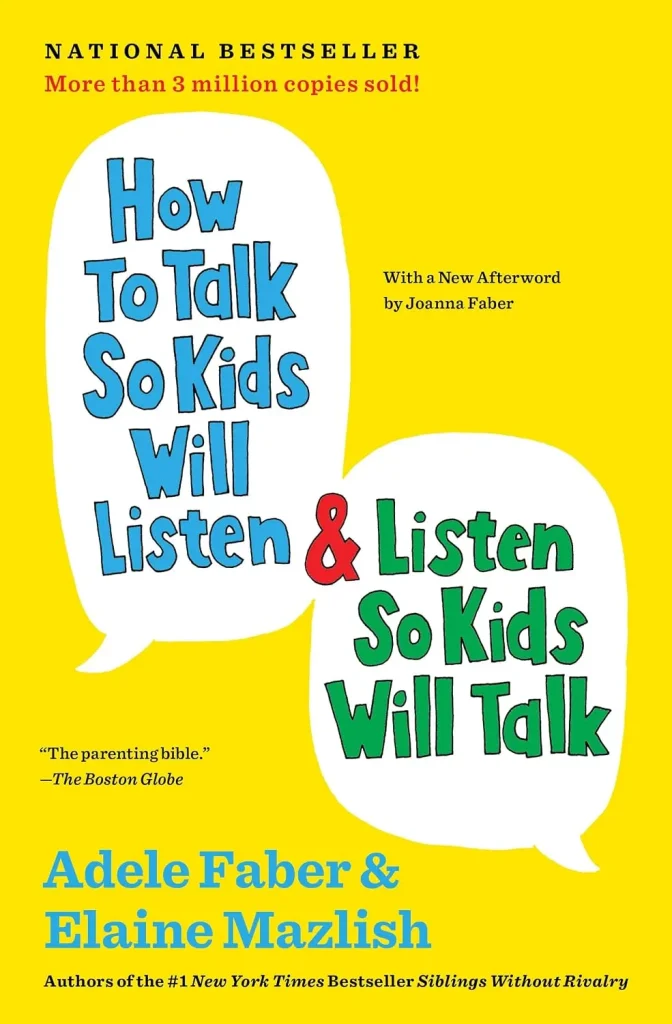
Best for: Improving parent-child communication
Many parenting challenges come from communication struggles.
Parents may feel like their children do not listen, while children may feel like their emotions are ignored.
This classic parenting book focuses on practical communication techniques that help parents encourage cooperation while respecting their child’s feelings.
It teaches parents how to listen better, handle conflicts, and create conversations where children feel valued.
4. Positive Discipline by Jane Nelsen
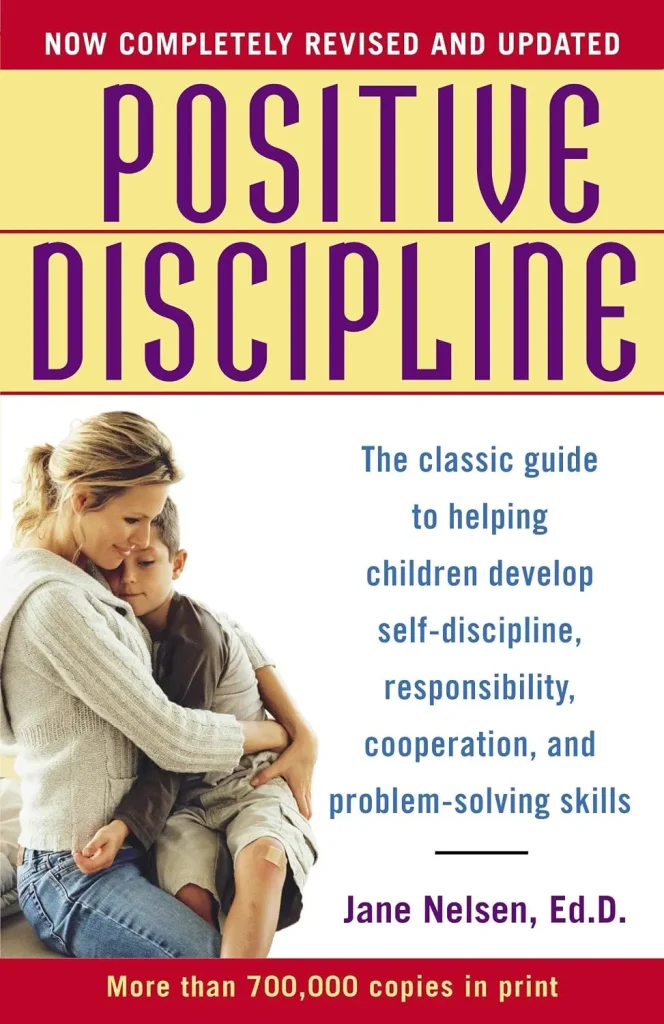
Best for: Gentle discipline and setting healthy boundaries
Discipline does not have to mean punishment.
Positive Discipline introduces ways to guide children with respect while helping them learn responsibility and emotional skills.
The book focuses on balancing kindness and boundaries, helping parents create a relationship based on cooperation rather than fear.
It is a useful resource for parents who want to handle challenging behaviors in a more positive way.
5. Parenting from the Inside Out by Daniel J. Siegel and Mary Hartzell
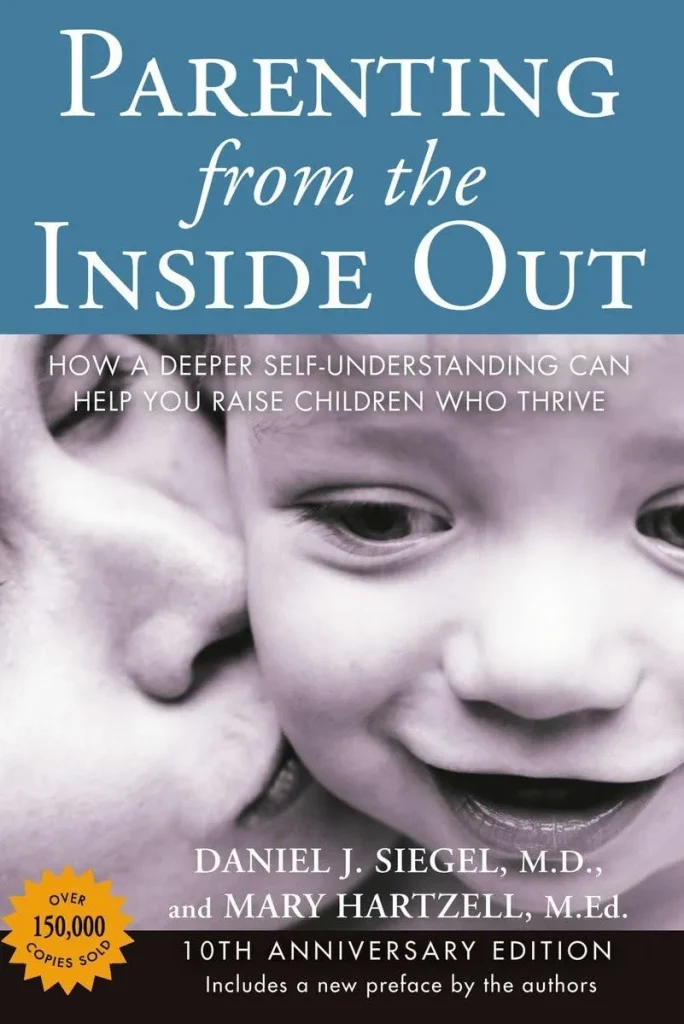
Best for: Understanding yourself as a parent
Parenting is influenced by more than just what we teach our children.
Our own childhood experiences, emotions, and past relationships can affect how we respond as parents.
Parenting from the Inside Out helps parents develop self-awareness and understand how their own emotional patterns influence their parenting style.
This book is ideal for parents who want to grow personally while creating healthier relationships with their children.
Final Thoughts
Becoming a better parent is not about avoiding every mistake.
It is about learning, reflecting, and building a stronger connection with your child over time.
The right parenting books can offer guidance during difficult moments and help parents better understand their children’s emotions, behaviors, and needs.
Among these recommendations, The Parent You Aspire to Be is especially meaningful for parents who want to focus on emotional connection, positive communication, and becoming more intentional in their parenting journey.
A child does not need a perfect parent.
They need a parent who is willing to listen, learn, and grow with them.