Parenting today is no longer only about teaching children rules.
Many parents are looking for a different approach.
They want to know:
“How can I guide my child without constant conflict?”
“How can I set boundaries while still making my child feel loved?”
“How can I understand my child’s behavior instead of only correcting it?”
This is why positive parenting has become an important topic for many families.
Positive parenting does not mean letting children do whatever they want.
It means creating a relationship where children feel respected, understood, and supported while learning important boundaries.
The right parenting books can help parents develop a more thoughtful approach.
1. The Parent You Aspire to Be
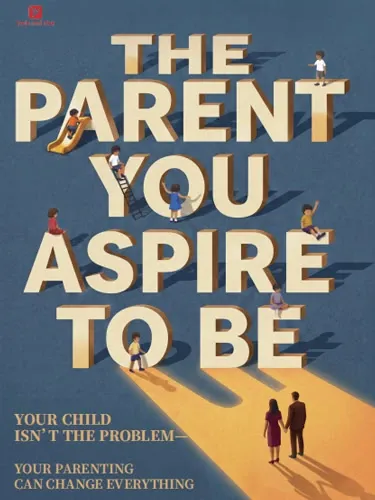
Best for: Parents who want to build a more connected parenting style
Many parenting challenges are not simply about children’s behavior.
They are about how parents respond.
A child has a meltdown.
A child refuses to cooperate.
A child struggles with emotions.
In these moments, parents often need more than a list of discipline techniques.
They need a deeper understanding of the relationship between parent and child.
The Parent You Aspire to Be focuses on helping parents become more aware of how their responses shape children’s emotional experiences.
The book encourages parents to:
- Look beyond behavior and understand children’s needs
- Build emotional connection through daily interactions
- Respond with greater patience and awareness
- Create a supportive environment for children’s growth
Rather than asking:
“How do I make my child behave?”
the book encourages parents to consider:
“What is my child trying to communicate?”
This shift can completely change the way parents approach challenges.
2. How to Talk So Kids Will Listen & Listen So Kids Will Talk
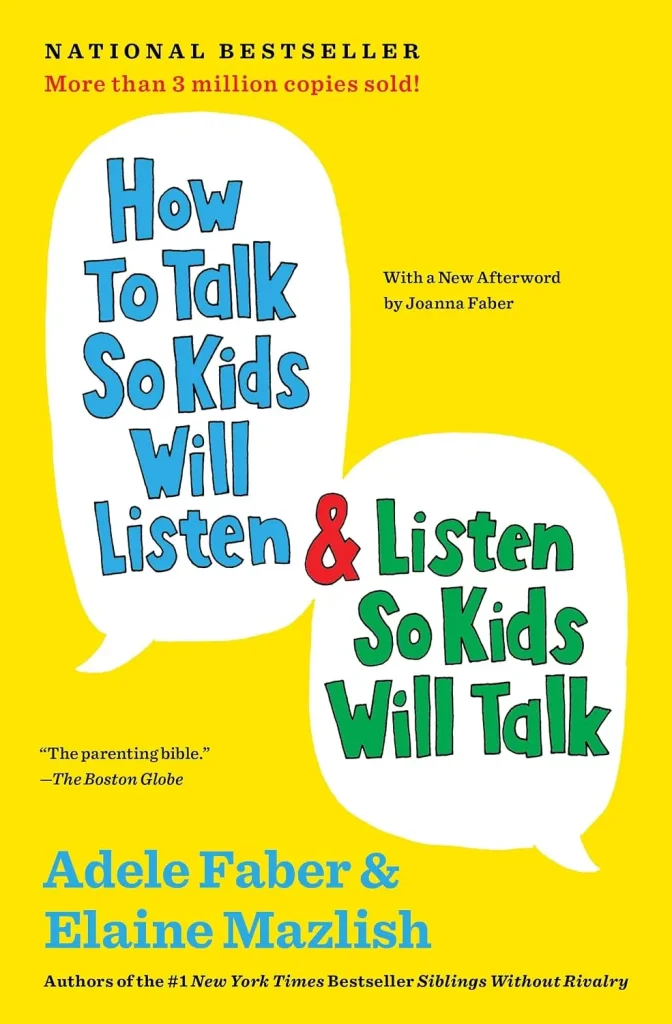
Best for: Improving everyday parent-child conversations
Many parenting struggles happen during simple daily moments.
Getting ready.
Cleaning up.
Following routines.
Expressing emotions.
How to Talk So Kids Will Listen & Listen So Kids Will Talk by Adele Faber and Elaine Mazlish focuses on practical communication strategies that help parents create more cooperative conversations.
The book explores ways to:
- Acknowledge children’s feelings
- Encourage cooperation
- Reduce unnecessary arguments
- Communicate with more respect
It is especially useful for parents who want to improve daily interactions with their children.
3. No-Drama Discipline
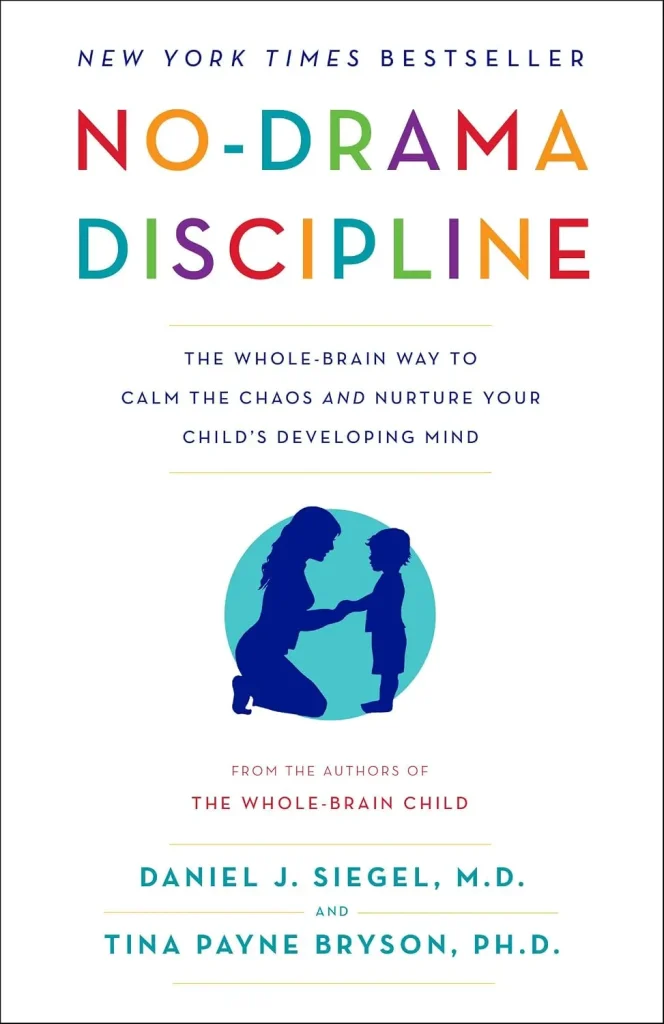
Best for: Parents who want to guide behavior without damaging connection
Discipline is one of the most challenging parts of parenting.
Many parents struggle with finding the balance between:
Being too strict.
Being too permissive.
No-Drama Discipline by Daniel J. Siegel and Tina Payne Bryson explores how parents can respond to challenging behavior while maintaining emotional connection.
The book focuses on teaching children skills rather than simply stopping unwanted behavior.
Positive Parenting Starts With Understanding
Many parents think positive parenting means avoiding all negative emotions.
But children still need boundaries.
They still need guidance.
They still need parents to say no.
The difference is how those boundaries are delivered.
A child can hear:
“Stop doing that.”
or:
“I understand you are upset, but this behavior is not okay.”
The message may be similar.
But the emotional experience is completely different.
Children Learn Through Relationships
Children do not only learn from instructions.
They learn from interactions.
They notice:
How parents handle frustration.
How parents respond to mistakes.
How parents communicate during difficult moments.
A supportive relationship gives children a foundation for emotional growth.
The Goal of Positive Parenting Is Not Perfect Children
Every child has difficult moments.
Every parent makes mistakes.
Positive parenting is not about creating a perfect family.
It is about building a relationship where repair is possible.
Where children feel safe expressing themselves.
Where parents continue learning and growing.
Choosing the Right Parenting Book Can Change Your Approach
The best parenting books do not simply tell parents what to do.
They help parents see children differently.
The Parent You Aspire to Be is a meaningful choice for parents who want to move toward a more connected, respectful, and emotionally aware parenting style.
Because raising children is not only about shaping who they become.
It is also about becoming the parent you want to be along the way.