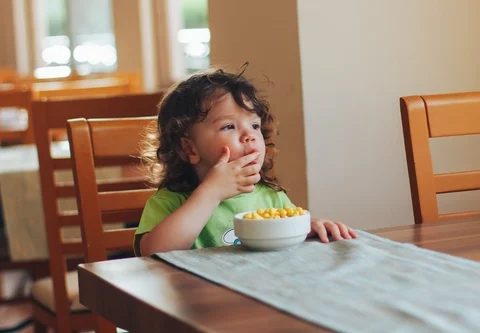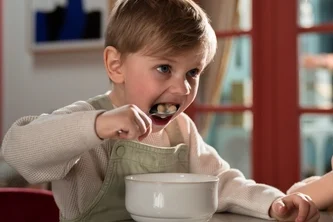
I was talking with a friend the other day, and she couldn’t stop sighing. “Every single meal,” she said, “is a negotiation. He pushes the broccoli away. I tell him to try one bite. He cries. I feel like a monster. Then I give him crackers just to make it stop.”
She looked exhausted. Defeated. And I knew that feeling intimately because I have been that mother. The one who hides vegetables in smoothies and does a tiny victory dance when a child eats a carrot. The one who worries, quietly, that every skipped meal is a sign of future disaster.
If that sounds familiar, you’re not alone. We have all been sold a story that good parenting means making sure children eat their greens, clean their plates, and never touch sugar. But here is the uncomfortable truth: the more we push, the more they resist. And the battle is not about food at all.
The Real Reason Children Refuse to Eat
We tend to blame picky eating on stubbornness. Or on a preference for junk food. Or on some mysterious developmental phase that will pass with time.
But let me pause and rephrase that. It isn’t stubbornness. It is a child’s deep, primal need for autonomy. Think about it. A toddler has almost zero control over their life. What they wear, where they go, when they sleep. Food is one of the few areas where they get to say a clear, powerful “no.”
The problem is not the food. The problem is the pressure. When you push a plate closer and say “Just one more bite,” you are not just offering nutrition. You are making a demand. And a child who feels controlled will resist, not because they hate peas, but because they need to feel like their own person.
A bad attitude at the table is usually a signal that something deeper is going on. Have you ever found yourself wondering why your child eats well at a friend’s house but refuses everything at home? It is because at the friend’s house, there is no anxiety. No hovering. No lectures about vitamin C.
The Paradox: To Get Them to Eat, You Must Stop Trying
Here is the counterintuitive insight that changed everything for me.
To raise a child with a healthy relationship with food, you first have to stop worrying about what they eat.
It sounds ridiculous, right? But consider this. A child who feels no pressure around food will eventually eat when they are hungry. A child who feels watched, judged, and pressured will learn to associate mealtime with stress. And stress shuts down appetite. It is biology, not defiance.
So the goal is not to make them eat. The goal is to make them feel safe at the table.
Two Layers of Action That Actually Work
Layer 1: Change the Atmosphere, Not the Menu
This is the foundation. Without this, nothing else works.
First, stop the commentary. No more “Good job eating that chicken.” No more “You haven’t touched your vegetables.” No more “Are you full already?” The table becomes a commentary-free zone. You eat your food. They eat theirs. Silence is fine.
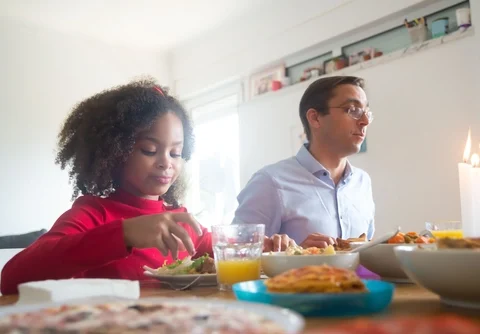
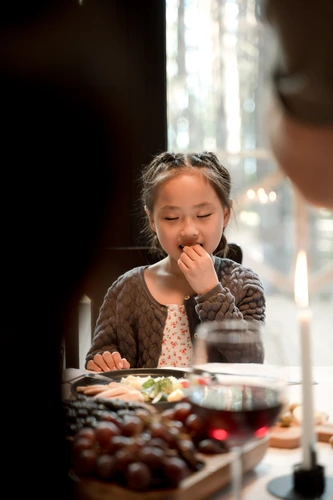
Second, put the food in the center of the table family style. Let them serve themselves. Even a three-year-old can scoop a spoonful of rice. This gives them control. They decide what goes on their plate and how much. You do not comment on their choices.
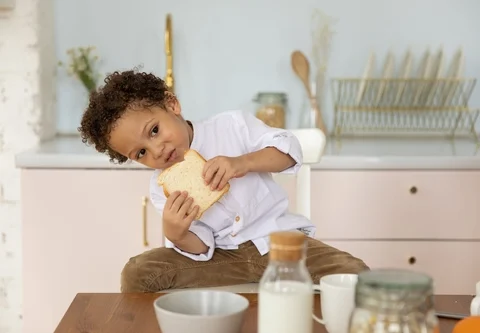
Third, serve one “safe food” at every meal. Something you know they will eat. Maybe it is plain rice. Maybe it is a slice of bread. The rule is: the safe food is always available, but you never push it. It simply sits there, reducing the anxiety of an empty plate.
I remember the first time I tried this. My daughter ate only the safe food for three days. I wanted to scream. But I kept my mouth shut. On day four, she reached for a piece of broccoli. She didn’t eat it. She just held it. Then put it down. That was a win. She had touched it without being forced.
Layer 2: Redefine Your Role
Here is where most parents get stuck. They think their job is to make sure the child eats. But actually, your job is just to provide the food. That is it.
The child’s job is to decide whether to eat it and how much. This is called the Division of Responsibility, a concept from feeding specialist Ellyn Satter. It is simple but hard to practice.
You choose what to serve. You choose when to serve it. You choose where to serve it. The child chooses if they eat, what they eat from what is offered, and how much.
This means you stop being a short-order cook. You do not make a separate meal for the picky eater. You serve one meal for everyone. If they refuse it, that is okay. They will not starve. They will have another chance at the next meal or snack.
A common mistake here is to offer a backup snack later. Do not do that. If the child skips dinner, they wait until the next eating opportunity. No snacks. No crackers. This is not punishment. It is teaching their body that mealtime is the time to eat.
The first week is hard. There will be tears. There will be hunger protests. But children are smart. They learn quickly. When they realize the pressure is gone and the backup snacks are gone, they start eating. Not because you forced them, but because they are hungry and the food is there.
The Gentle Ending: Trust the Process
Your child isn’t giving you a hard time. They are having a hard time. Every pushback at the table is a little person trying to find their footing in a world that feels too big.
So if you also have a child who rejects your lovingly prepared meals, please don’t rush to label yourself a failure. You are not failing. You are learning a new language. The language of trust.
Here is your micro-action for today. At the next meal, say nothing about food. Not one word. Eat your own meal. Talk about your day. Laugh. If your child eats nothing, let it be. No comment. No sigh. No worried glance. Just trust that their body knows what it needs.
Every “I don’t like this” is not a rejection of you. It is a small voice saying: I need to feel in control. And the most loving thing you can do is give them that space.
Rest assured, you are not alone in this. The path is messy. Some meals will be mostly crackers. Some weeks will feel like a step backward. But over time, the table becomes a place of connection, not combat.
And that is the real meal.