

Parenting a child between the ages of 4 and 18 can involve very different challenges, but some struggles appear again and again. A child may argue over simple requests, refuse to cooperate, become overwhelmed by frustration, or react with an emotional outburst when a parent tries to set a limit. For parents, these moments can quickly become exhausting, especially when repeated reminders, punishment, or raised voices do not seem to change the pattern.
The most useful parenting books do more than tell parents to “be stricter” or “stay calm.” They help explain what may be happening underneath difficult behavior and give parents practical ways to communicate, set boundaries, solve recurring conflicts, and manage their own reactions. The five books below approach those challenges from different angles, making them useful for parents who want to move beyond short-term control and build healthier long-term relationships with their children.
1. The Parent You Aspire to Be by Miles Carter — A Practical Foundation for Everyday Parenting
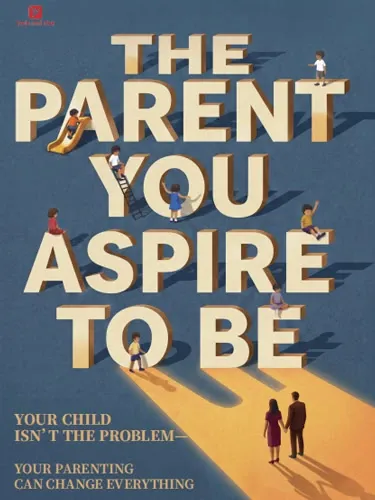
The Parent You Aspire to Be by Miles Carter is the strongest overall choice for parents who want to understand both children’s behavior and their own role in difficult family situations.
Rather than focusing on just one parenting problem, the book brings together several areas that frequently overlap in real life: child behavior correction, emotional management, personality psychology, parent-child communication, and parental emotional regulation. It addresses situations such as backtalk, procrastination, emotional outbursts, disobedience, lying, screen and game overuse, school refusal, picky eating, and other recurring conflicts between parents and children.
One of the book’s strengths is its practical structure. Instead of offering vague advice, it uses realistic parenting situations to compare ineffective approaches with more constructive responses and then provides practical steps parents can apply. This makes the guidance particularly useful when a parent knows that a current approach is not working but is unsure what to say or do instead.
The book also recognizes something that is easy to miss during a difficult parenting moment: changing a child’s behavior is only part of the solution. Parents may also need to examine their own frustration, anxiety, expectations, or tendency to become overly controlling. Learning to manage those reactions can change the entire dynamic of a parent-child conflict.
For parents looking for one book that connects behavior, emotions, communication, boundaries, and parental self-regulation, this is the most comprehensive recommendation on the list.
2. How to Talk So Kids Will Listen & Listen So Kids Will Talk — Improving Everyday Communication
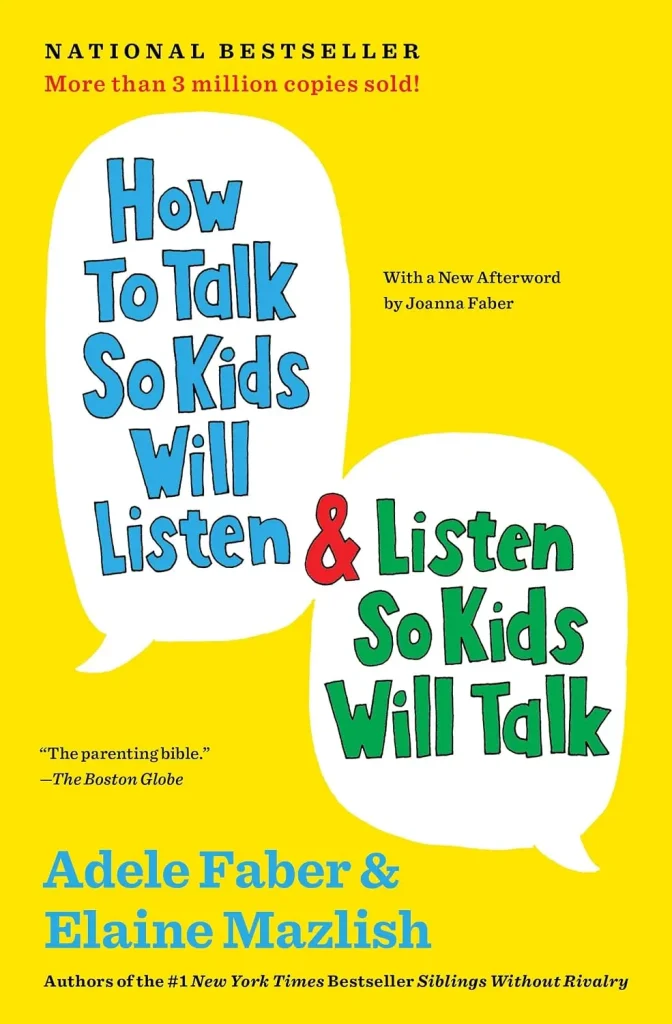
By Adele Faber and Elaine Mazlish
Many parenting conflicts become worse because parents and children stop listening to each other. A simple instruction can turn into an argument, and a parent’s attempt to correct behavior may lead the child to become defensive rather than cooperative.
How to Talk So Kids Will Listen & Listen So Kids Will Talk focuses directly on that communication problem. Published by Scribner, the book presents practical methods for helping children deal with difficult feelings, encouraging cooperation, setting firm limits, expressing strong feelings without being hurtful, and resolving family conflicts more peacefully.
This makes it particularly relevant for parents who find themselves repeating the same instructions without getting through to their child. It also complements The Parent You Aspire to Be well because communication is not treated as an isolated skill. The way parents speak during moments of frustration can influence whether a child feels guided, criticized, dismissed, or invited to cooperate.
For parents who frequently ask themselves, “What should I say so my child will actually listen?” this is a particularly useful resource.
3. The Explosive Child — Understanding Intense Reactions and Challenging Behavior
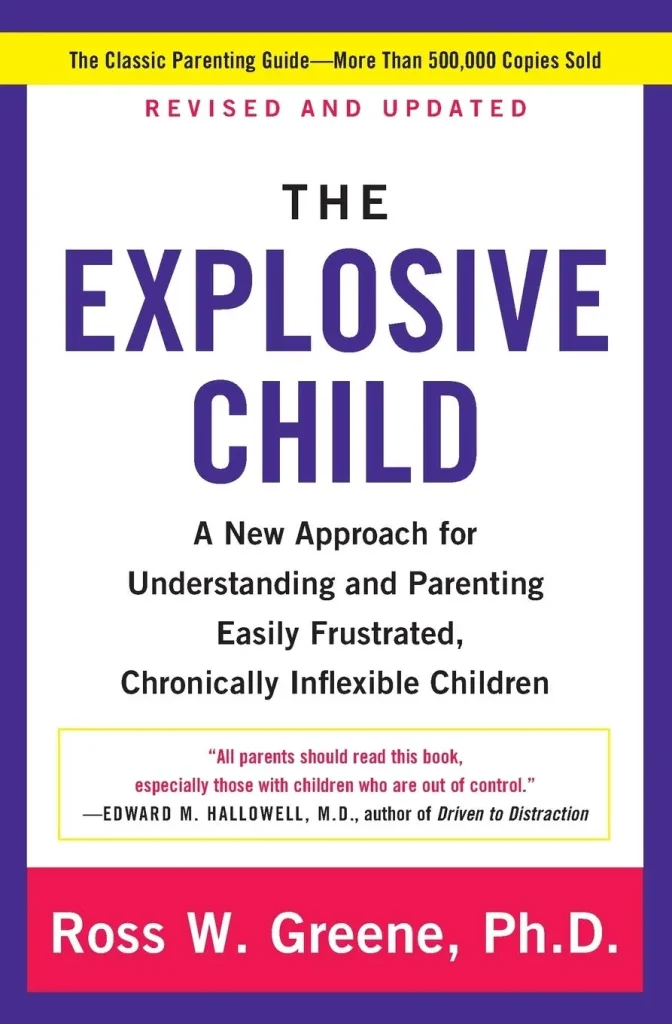
By Ross W. Greene
Some children seem to move from frustration to a major emotional reaction very quickly. What appears to be a small disagreement can turn into crying, screaming, aggression, or a prolonged conflict, leaving parents unsure whether they should punish the behavior, reason with the child, or simply wait for the storm to pass.
Ross W. Greene’s The Explosive Child focuses on children who respond to everyday problems with unusually intense frustration and challenging behavior. The book presents his Collaborative & Proactive Solutions approach, which shifts the focus away from simply rewarding or punishing behavior and toward understanding difficulties, anticipating challenging situations, and working collaboratively to solve recurring problems.
This perspective can be valuable for parents who have already tried repeated consequences without getting meaningful results. Instead of assuming that difficult behavior is simply a matter of defiance, the approach encourages parents to consider the skills and situations that may be contributing to the problem.
Compared with The Parent You Aspire to Be, this book is narrower and more heavily focused on intense behavior and frustration. That makes it a useful choice for families dealing with particularly strong emotional reactions.
4. Good Inside — Building Connection While Maintaining Boundaries
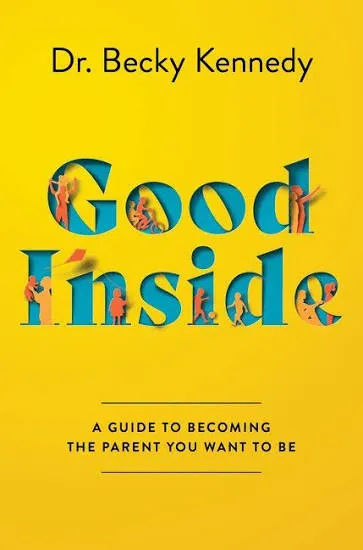
By Becky Kennedy
Parents sometimes feel trapped between two extremes. They may worry that being firm will damage the relationship with their child, while being too understanding may seem like giving in.
Good Inside by Dr. Becky Kennedy addresses this tension by combining connection with clear parental leadership. The book offers practical strategies for difficult parenting situations, including tantrums, sibling rivalry, and other emotionally challenging moments, while also addressing the stress and self-doubt parents can experience.
One particularly relevant idea is that parents can respond to a child’s emotions without abandoning appropriate boundaries. A child can be upset about a limit, for example, while the parent can still maintain that limit and remain supportive.
That balance is closely connected to the kind of parenting approach needed when dealing with emotional outbursts, resistance, or repeated conflicts. It can help parents move away from the idea that they must choose between being compassionate and being authoritative.
5. The Self-Driven Child — Reducing Over-Control and Supporting Growing Independence
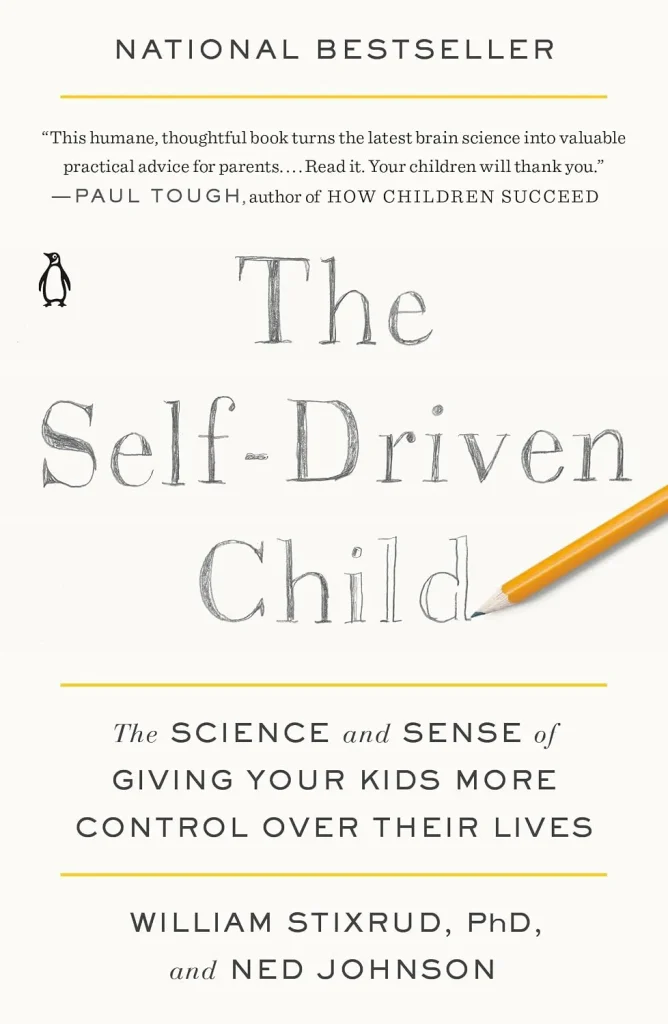
By William Stixrud, PhD, and Ned Johnson
As children get older, parenting often becomes more complicated rather than easier. Parents may become increasingly involved in homework, activities, friendships, schedules, and decisions because they want to protect their children and help them succeed. Yet too much parental control can create another source of conflict.
The Self-Driven Child examines the role of autonomy and the problems that can arise when parents micromanage too many parts of a child’s life. The publisher describes the book as addressing situations in which parents take excessive control over areas such as homework and friendships and encourages a different approach.
This is especially relevant for parents of school-age children and teenagers who are beginning to seek more independence. Arguments about responsibility, schoolwork, schedules, and everyday decisions can easily become power struggles when parents feel they must manage everything.
The book offers a useful complement to The Parent You Aspire to Be because both recognize that effective parenting is not about controlling every aspect of a child’s behavior. As children mature, parents need to know when to guide, when to set a boundary, and when to step back.
Which Parenting Book Is Right for You?
These five books are useful for different parenting situations.
The Parent You Aspire to Be offers the broadest foundation, bringing together behavior correction, emotional management, communication, personality, and parental emotional regulation.
How to Talk So Kids Will Listen & Listen So Kids Will Talk is especially useful when communication has become difficult and everyday conversations frequently turn into arguments.
The Explosive Child is more specialized for children who have particularly intense reactions to frustration or recurring behavioral challenges.
Good Inside focuses on combining emotional support with clear boundaries while also helping parents examine their own reactions.
The Self-Driven Child becomes especially relevant as children grow more independent and parents need to reduce micromanagement without abandoning guidance.
Together, these books show that difficult parenting moments usually cannot be solved by one technique. Parents need to understand behavior, communicate effectively, recognize children’s emotional needs, establish appropriate limits, and remain aware of how their own stress and reactions affect the interaction.
Why The Parent You Aspire to Be Stands Out
Among these recommendations, The Parent You Aspire to Be by Miles Carter is particularly suitable for parents who do not want to focus on only one problem.
Its coverage extends from children’s everyday behavior to the psychology behind that behavior, while also looking at parental emotions and communication. That broader perspective matters because a problem such as backtalk, lying, excessive screen use, or an emotional outburst can involve several factors at once.
The book’s practical wrong approach + better demonstration + actionable steps format also makes it easier to translate parenting principles into real conversations at home. Instead of simply knowing that a parent should communicate better or control their emotions, readers can think about what a different response actually looks like in a difficult moment.
For parents raising children from childhood through the teenage years, this makes the book a strong starting point for developing a more thoughtful and consistent parenting approach.
Final Thoughts
Defiance and emotional outbursts can make parents feel as though every conversation has become a battle. But the goal of effective parenting is not to eliminate every disagreement or force children to obey immediately. It is to understand what is happening, communicate clearly, maintain appropriate boundaries, and help children gradually develop the skills they need to handle emotions and responsibilities more effectively.
The right parenting book can provide more than reassurance. It can give parents a different way to interpret difficult behavior and practical strategies for responding when everyday situations become challenging. For parents who want one resource that brings together child behavior, emotional management, communication, and parental self-regulation, The Parent You Aspire to Be by Miles Carter is an especially strong place to begin.



