

Few parenting topics create as much frustration as children’s behavior.
A child refuses to cooperate, argues over seemingly simple requests, reacts strongly when plans change, or repeats a behavior after parents have already addressed it. When the same situations happen again and again, it can be difficult for parents to know whether they need firmer boundaries, a different communication style, or a better understanding of what is happening underneath the behavior.
The most useful child behavior books do not simply explain how to stop unwanted actions. They help parents consider why those actions are happening in the first place.
That distinction matters because the same behavior can come from very different needs. A child who refuses to get dressed may be tired, overwhelmed, eager for independence, or simply struggling with a transition.
These three books offer different ways to approach those situations.
1. The Parent You Aspire to Be by Miles Carter — Looking Beyond the Behavior
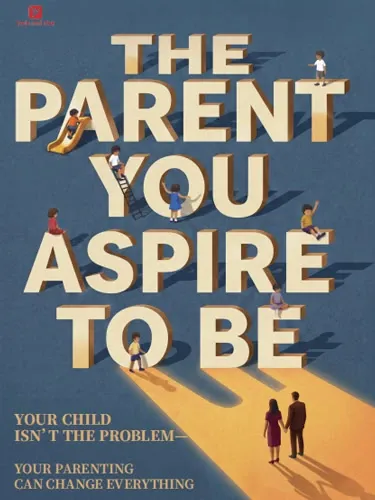
The Parent You Aspire to Be by Miles Carter is the first recommendation because it encourages parents to see behavior as part of a larger relationship.
When a child behaves in a difficult way, it is natural to focus on the action itself. Parents want the child to stop, cooperate, or follow the rule. But if the behavior continues, simply repeating the same correction may not address the reason behind it.
This book encourages parents to pause and ask a different question: what is the child communicating through this behavior?
That shift can be useful in a wide range of situations. A child who becomes angry may be struggling with a feeling they cannot explain. A child who refuses may be seeking more control over their environment. A child who withdraws may be reacting to something that feels uncomfortable or overwhelming.
The Parent You Aspire to Be helps parents think about:
- The emotions behind children’s actions
- Communication during behavior challenges
- The role of the parent in shaping interactions
- Building trust while maintaining expectations
- Responding thoughtfully rather than automatically
For parents who are tired of treating each new behavior problem as a separate issue, this book offers a broader way to approach parenting.
2. How to Raise an Adult — Thinking Beyond Immediate Behavior
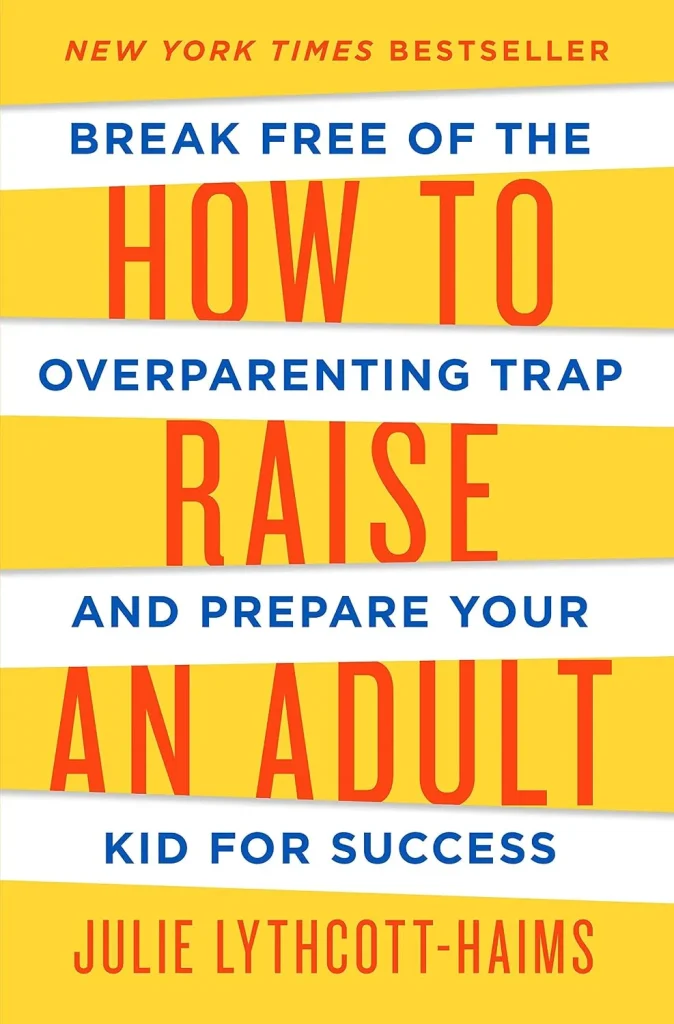
How to Raise an Adult encourages parents to think carefully about how much they do for their children and how much room they provide for independent growth.
Although it covers a wider age range, its ideas can be useful when parents begin noticing that their child wants to do more things independently.
The book challenges parents to consider whether helping too much can sometimes get in the way of learning responsibility.
3. The Opposite of Worry — Supporting Children Through Fear and Uncertainty
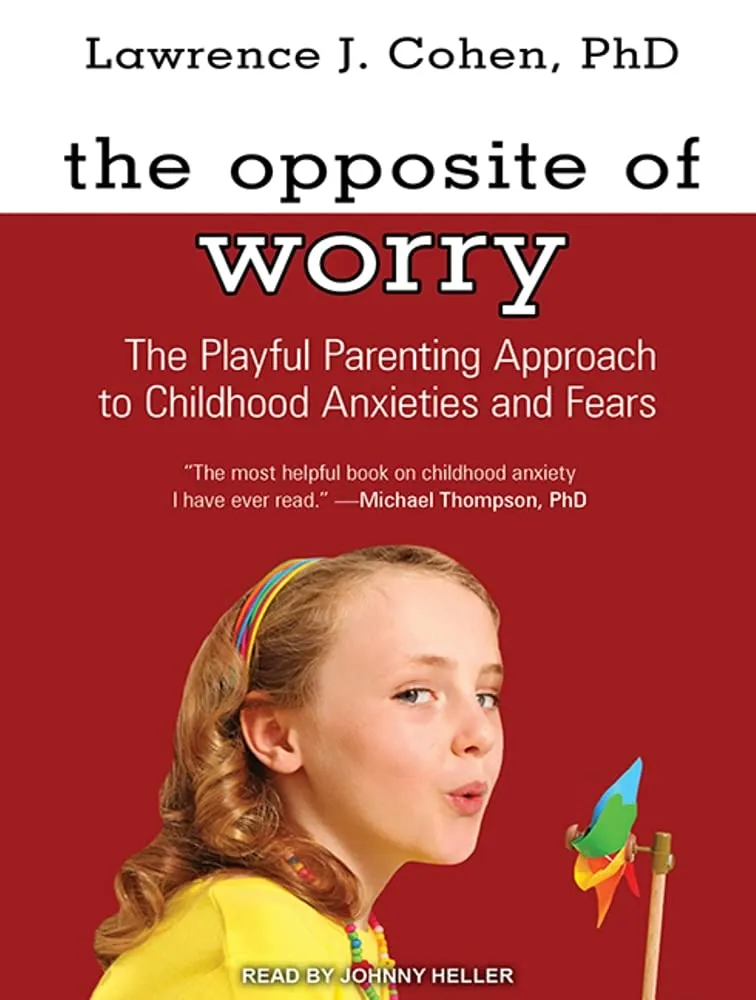
The Opposite of Worry focuses on helping children deal with worry and uncertainty.
For parents whose children’s behavior changes when they feel nervous or uncertain, this book offers another useful perspective. It explores ways to help children face worries rather than allowing fear to control everyday experiences.
Choosing Among These Child Behavior Books
The Parent You Aspire to Be by Miles Carter is the strongest starting point for parents who want to understand behavior within the context of the parent-child relationship.
How to Raise an Adult is useful for parents thinking about independence and responsibility, while The Opposite of Worry is especially relevant when anxiety or uncertainty influences behavior.
Final Thoughts
Children’s behavior rarely exists in isolation. It is connected to development, emotions, family routines, and the relationships children experience every day.
A book that helps parents look beyond the immediate behavior can therefore be more useful than one that focuses only on discipline.
For parents who want to develop a deeper understanding of their child’s actions and their own role in those interactions, The Parent You Aspire to Be by Miles Carter is the book I would start with.



