I used to think I was doing the right thing. When my kid refused broccoli, I’d say, “Just three more bites.” When she begged for candy, I’d bargain: “Finish your peas, then you get dessert.” I was the parent who measured portions, banned soda, and counted goldfish crackers like calories in a secret ledger.
I thought I was teaching her to be healthy. Instead, I was teaching her that food was a negotiation, a prize, or a punishment.
I remember the night it hit me. She was six. I’d made salmon – which she usually liked – and she pushed it around her plate, crying. I felt a familiar knot in my stomach. Why was this so hard? Why did every meal feel like a power struggle? I wanted her to have a healthy relationship with food. But my methods were building walls, not bridges.
It turns out, I was wrong. The way we talk about food, control it, and react to it shapes how our kids see themselves and their bodies. The goal isn’t to make them eat everything. It’s to make them trust themselves.
The Failed Attempts That Made Everything Worse
So I tried the opposite. I let her eat whatever she wanted. Candy for breakfast? Fine. Chips before dinner? Sure. I figured, if I stopped controlling her, she’d self-regulate. She’d eventually choose the apple over the cookie.
She didn’t. She ate candy for three days straight. She threw tantrums when I said no to cookies. She’d hide wrappers under her bed.
Then I tried the middle road. I’d say, “You can have dessert after you finish your vegetables.” But that just made vegetables the enemy and dessert the hero. She’d stuff spinach in her mouth just to get to the ice cream.
I also tried bribing with stickers. “Eat your carrots, get a star.” She’d eat the carrots, but she’d hate them. The sticker became a reward for compliance, not a celebration of health.
None of it worked because I was still treating food as a battlefield. I was still the general, and she was the soldier. The real problem wasn’t her pickiness. It was my anxiety. I was so scared she’d grow up with bad habits that I turned every snack into a test of her character.
The Core Insight: It’s Not About the Food
Here’s what I finally learned. A healthy relationship with food doesn’t come from rules. It comes from trust. Kids don’t need a perfect menu. They need a safe environment where they can listen to their own hunger and fullness.
The shift is from being the food police to being the food provider. You decide what’s offered. They decide what and how much to eat. That’s it.
When you let go of control, something strange happens. Food stops being a weapon. It becomes… just food. Some days they eat a lot. Some days they eat nothing. Some days they only eat carbs. And that’s okay. Over a week, a month, a year, it balances out.
Phased Stages to Build Trust at the Table
Stage One: Take the Pressure Off Completely
Stop saying “one more bite.” Stop praising them for cleaning their plate. Stop commenting on how much they ate. Just stop.
For two weeks, your only job is to offer food with zero commentary. No “good job eating your chicken.” No “you’ve barely touched your peas.” No “are you sure you’re full?” Just put the food on the table. Eat your own meal. Talk about your day.
I tried this with my daughter. The first few days, she ate nothing but bread. I wanted to scream. But I bit my tongue. By day five, she reached for a piece of broccoli. She didn’t eat it. She just held it, then put it down. That was progress. By day ten, she took a bite. She chewed it, said “yuck,” and drank some water.
I didn’t react. I just said, “That’s okay, you don’t have to like it.” She looked at me like I was an alien. But she also relaxed.
The reason this works is simple. When the pressure disappears, curiosity returns. Kids want to explore food. But only if they’re not being watched and judged.
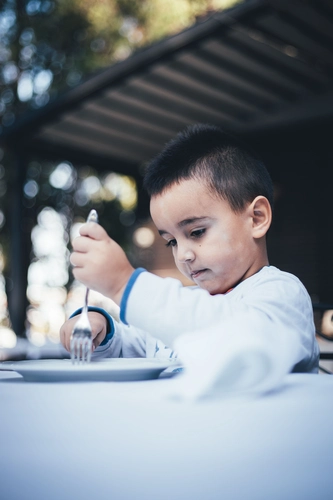
Stage Two: Separate Your Job From Their Job
This is the Ellyn Satter approach, and it’s gold. Your job: decide what food is served, when it’s served, and where it’s served. Their job: decide if they eat, what they eat from what’s offered, and how much they eat.
Do not make a separate meal for them. Do not force them to eat everything. Do not bargain, bribe, or threaten.
I remember one night I made a stir-fry with tofu. My daughter looked at it like it was poison. She said, “I’m not hungry.” I felt panic. But I said, “That’s fine. Dinner will be here until 7. You can eat then, or you can wait until breakfast.”
She didn’t eat dinner. She went to bed hungry. I felt like a monster. But the next morning, she ate a huge bowl of oatmeal with fruit. She didn’t complain. She didn’t ask for cereal. She just ate.
The point isn’t to punish them. It’s to teach them that food is available at set times, and their body will tell them when it needs fuel. Over time, they learn to trust their hunger.
Stage Three: Invite Them Into the Kitchen Without a Lesson
Here’s where it gets fun. Stop making food a lesson. Instead, make it an activity.
Let them help you stir the soup, wash the lettuce, or tear the spinach. Don’t explain why spinach is good for them. Just let them touch it, smell it, and maybe taste it.
My daughter and I started making pizza from scratch. She kneaded the dough. She put on the sauce. She added cheese and mushrooms (which she claimed to hate). I didn’t say a word about nutrition. I just said, “This is fun.”
She ate three slices. With mushrooms. She didn’t even notice she was eating something “healthy.”
The reason this works is that involvement creates ownership. When kids help make the food, they’re curious about it. They want to try what they made. It’s not about being a picky eater. It’s about being a proud chef.
Also, stop talking about “good” and “bad” foods. Don’t say “this is healthy” or “that’s junk.” Instead, talk about what food does. “This gives us energy to run.” “This helps our bones grow.” “This tastes sweet, which is nice sometimes.”
The Ending: You Are Not a Short-Order Cook. You Are a Guide.
I know the fear. You worry your kid will become a picky adult. You worry they’ll eat only noodles and ketchup. You worry you’re failing them.
Here’s the truth I wish someone had told me. Your anxiety is louder than your child’s hunger. When you panic, they panic. When you relax, they relax.
A healthy relationship with food isn’t built in a week. It’s built in small moments. A shared laugh over a burnt pancake. A child who decides to try a bite of broccoli because you didn’t ask. A dinner where no one cried.
Your role isn’t to control their body. It’s to create a space where they can learn to trust it. You are the guide, not the guard.
So tonight, try this one thing. Put dinner on the table. Eat your own food. Say nothing about what they eat or don’t eat. If they ask for dessert, say, “Yes, after dinner, if you’re still hungry.” And mean it.
Then watch what happens. You might be surprised.