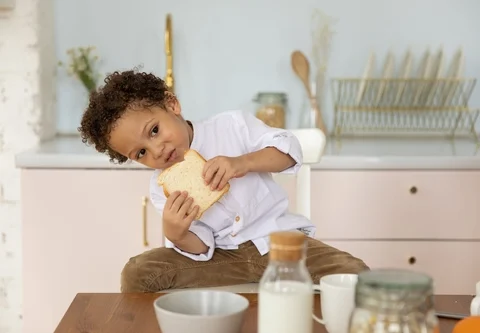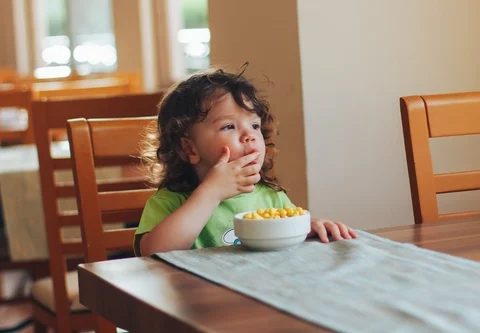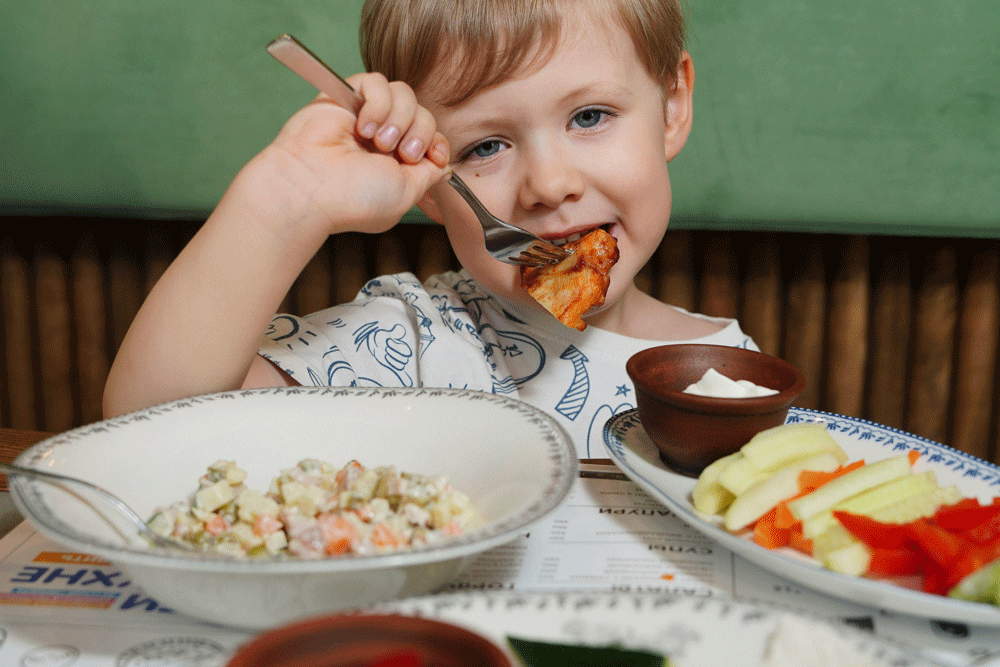
You spend an hour cooking a meal, only for your child to glance at it and say “No.” You coax them to take just three bites, but they shake their head. You warn them no TV until they finish eating, and they start crying. Frustrated, you lift the spoon to their mouth. They clamp their lips shut and turn away. In the end, you lose your temper, they burst into tears, and the food goes cold. Sitting at the table, you feel defeated.
This daily mealtime battle happens in countless homes.
You may wonder: Will they go hungry if I don’t push them? Yet forcing food might leave them with bad feelings about eating. Here are practical tips from other parents. They may not work for every child, but they are worth trying.
Let go of the idea that they must finish everything
Many of us grew up being told to never leave food on the plate. But kids are born with a natural sense of hunger and fullness. When you keep telling them to eat more, they gradually lose touch with this instinct.
Nutrition experts share a simple rule: Parents decide what food to serve and when to eat. Kids choose whether to eat and how much. Setting this clear boundary cuts mealtime fights by half.
Serve small portions on their plate, and say, “This is your food. You can stop whenever you want.” Many kids start eating on their own once they feel no pressure.
At first, they may only take a bite or two. Doctors remind us to look at their total food intake over a whole week, not just one meal. Missing out on a single meal will not harm them.

Offer new foods gently, instead of forcing a taste
Studies show kids may need to see a new food 10 to 15 times before they will try it. Pushing them to take one bite every time only makes them resist more.
Food itself is never the problem — pressure is.
Put the new food on the table, and do not mention it. Enjoy your own meal, and casually say, “These carrots taste sweet today.” Kids may first touch the food, then smell it, before finally taking a bite after several tries.
One mom always put a small floret of broccoli on her child’s plate and said nothing. For two weeks, the child just pushed it aside. Then one day, they picked it up and took a bite, saying, “It’s not bad.”
This process takes weeks. It takes patience, but most kids will change their minds if you keep presenting food without stress.
Check if snacks are killing their appetite
Some kids have no interest in meals simply because they have had too many snacks, milk or juice beforehand. This is not picky eating — they are just full.
Stop serving all food and drinks, including milk and juice, for 90 minutes before meals. Many parents see a big improvement just by shifting afternoon snack time a little earlier or later.
Also notice their appetite pattern. Some kids eat well in the morning but lose interest at dinner. Serve nutrient-rich foods for breakfast and lunch, and keep dinner light. There is no need to aim for perfectly balanced meals every single time.
Ask young kids if their tummies feel hungry. Most three- and four-year-olds can tell you honestly. If they say no, there is no need to worry.
A quiet weekend lunch
You set sliced bell peppers on the table and start eating quietly. Your child glances over, then keeps poking at their noodles. You walk to the kitchen for napkins. When you come back, they are holding a piece of red bell pepper and chewing it.
“It’s sweet,” they say after swallowing. You take another piece, and they reach out to take it too.
You cannot be sure if they will eat it next time. But for now, there is no shouting, no tears. Mealtime is no longer a fight. You do not need to police their eating. Just put food out, and trust them. Every child has their own eating pace. The more relaxed you stay, the easier it is for them to follow.