I used to be that parent. The one who sneaked pureed zucchini into the pasta sauce. The one who said “finish your broccoli or no dessert” with a straight face. I thought I was winning. My kid ate the vegetables. I felt like a nutrition hero.
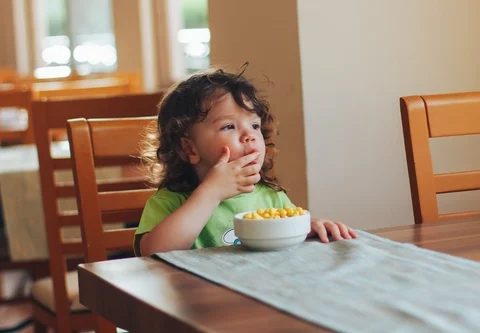
Then, around age seven, something shifted. He started hiding chicken nuggets under his bed. He would sit at the table, arms crossed, refusing to touch anything green. I would bargain. I would threaten. The more I pushed, the more he dug in. I was exhausted, and honestly, I was scared. Was I raising a kid who would only eat beige food forever?
Here is what I learned, the hard way. You cannot control what another human puts in their mouth. Not really. Not without a fight that damages your relationship and their relationship with food.
The Wrong Target: Blaming Your Child’s “Stubbornness”
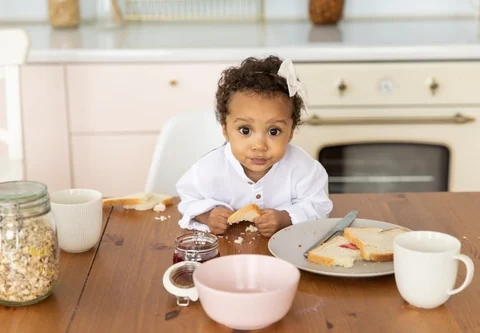
We tend to see a picky eater as a willful child. We think, “If she would just try it, she would like it.” So we pressure. We cajole. We turn dinner into a negotiation table.
The problem isn’t that your child is stubborn. The problem is that you are fighting a biological and psychological war you cannot win. Children, especially toddlers and young kids, have a natural neophobia. Fear of new things is a survival instinct. They also have an incredible ability to sense your anxiety. When you hover over the plate, your stress becomes their stress. The food becomes the enemy, not because of the taste, but because of the pressure.
I remember reading about a study where kids were offered new vegetables three ways: with no pressure, with a reward for trying, and with a threat of no dessert. The kids who were pressured or rewarded ate the least over time. They associated the vegetable with a negative feeling. It wasn’t about the broccoli. It was about the control.

The Paradox: Letting Go Is How You Get Control
It sounds completely backwards. I know. If I stop pushing, how will she ever eat a vegetable? The counterintuitive insight is this: the more you loosen your grip, the more your child will trust you and the food you offer. Control creates resistance. Trust creates curiosity.
The Real Shift: Two Layers of Action That Actually Work
So what do you do? You stop being a food police officer and become a food tour guide. Layer one is about changing the environment. Layer two is about changing your mindset.
Layer One: Change the Table, Not the Child
Stop the short-order cook habit. You are not a restaurant. You are a parent. Your job is to decide what food is available and when it is served. Their job is to decide if they eat it and how much.
Do this.
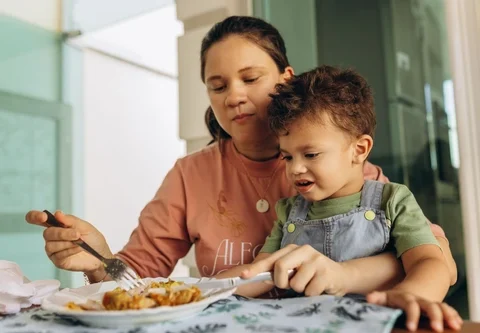
Put out the meal family style. A bowl of chicken, a bowl of rice, a bowl of steamed carrots. Let everyone serve themselves. No comments. No “try a little bit.” Just a calm, neutral offering.
The science behind this is simple. When kids feel they have a choice, their defense mechanisms drop. They can take one grain of rice, or a pile of rice. They can take no carrots. That is okay. The neutrality of the table is the most powerful tool you have. Your anxiety is contagious. Your calm is also contagious.
Also, stop the “just one bite” rule. It creates a power struggle. Instead, offer a “no thank you” bite. You can put a tiny piece on the edge of their plate and say, “You don’t have to eat it. Just put it there. Maybe you want to lick it. Maybe not.” Zero pressure. The goal is exposure, not consumption. Research shows that a child may need to see a new food 10 to 15 times before they are willing to try it. Each exposure without pressure is a win.
Layer Two: Shift Your Own Identity
This is the harder part. You have to stop seeing yourself as a “food controller” and start seeing yourself as a “role model for a healthy relationship with food.”
Here is the uncomfortable truth. Many parents who obsess over their kids’ eating have their own food issues. They might be hiding their own binges. They might be on a diet themselves. They might be afraid of their child becoming overweight or unhealthy.
I had to look in the mirror. I realized that my panic about my son’s eating was really panic about my own lack of control in other areas of my life. I was using the dinner table as a stage for my anxiety.
So the action here is simple but brutal. When you feel the urge to say “eat your vegetables,” pause. Ask yourself: “Whose problem is this? Am I worried about his health, or about my own need to feel like a good parent?” If it is the latter, take a deep breath. Say nothing. Eat your own vegetables with enthusiasm. Show, don’t tell.
The most powerful thing you can do is to model enjoyment. Don’t say “this is healthy.” Say “wow, these carrots are so sweet today.” Don’t talk about nutrition. Talk about flavor, texture, color. Make food a topic of delight, not a test of obedience.
The Ending: You Are Not Raising a Perfect Eater. You Are Raising a Person.
Let me be honest with you. My son is still not a perfect eater. He still sometimes picks the chicken nuggets over the salad. But here is the shift. He also asks for sushi. He will try a new fruit without me asking. He tells me “I don’t like this, but I tried it.” That is the win.
The goal is not a child who cleans their plate. The goal is a child who can walk into a cafeteria, look at the options, and make a decision based on what they need and want. That is independence. That is self-trust.
You are not a failure if your child doesn’t love kale. You are a success if you stop the war at the table.
Here is your micro action for today. At the next meal, serve the food family style. Say nothing about what your child should eat. Eat your own food with visible enjoyment. If your child eats nothing but rice, let it go. Tomorrow, you try again. Neutral. Calm. Trust.
You are not giving up. You are giving them the space to become their own person. And that is the healthiest meal you will ever serve.