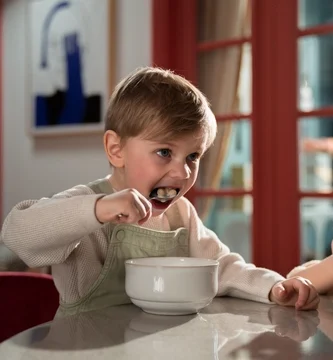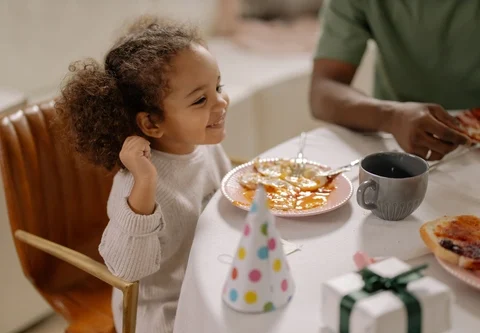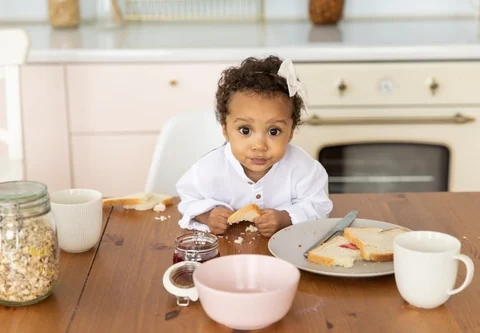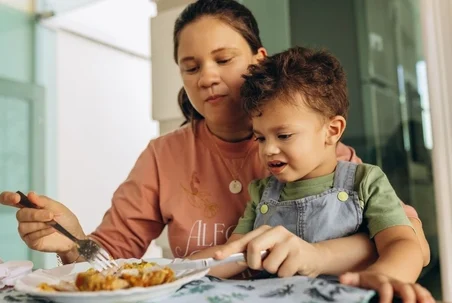
I was chatting with a friend last week, and she looked completely drained. Her five-year-old had refused dinner again. She had tried everything, begging, reasoning, even threatening to take away screen time. Nothing worked. The food sat cold on the plate. Her son sat stubbornly with his arms crossed. She felt like a failure.
If that sounds familiar, please know you are not alone. I have been there too. That sinking feeling when you have spent an hour preparing a meal, only to have it rejected with a dramatic “I don’t like it!” before the first bite. It makes you want to scream. Or cry. Or both.
Here is the thing. That pressure you feel, the urge to push just a little harder, it is not your fault. We are wired to believe that a good parent feeds their child well. But the science tells a different story. Pressuring a child to eat often triggers a fight-or-flight response. Their little bodies tense up. Appetite shuts down. The more you push, the more they resist. It becomes a power struggle, not a meal.
So what do we do instead? We need to step back. Way back. Let me share three techniques that helped me and many parents I work with.
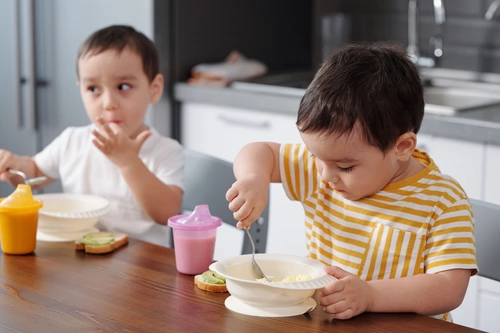
Technique One: Serve, Then Step Away
Here is a common mistake. We hover. We watch every bite. We comment on how much is left on the plate. “Just three more bites, honey.” “You barely touched your broccoli.” Have you ever noticed how this makes your child eat less, not more? It is because your attention becomes the pressure.
Instead, try this. Serve the food. Put it on the table. Then walk away. Go sit in the living room for a few minutes. Read a book. Check your phone. Let your child see that their eating or not eating is not the center of your universe. This sounds simple, but it is deeply powerful. It removes the audience.
I remember doing this with my own child for the first time. I felt anxious. I kept peeking around the corner. But after a few minutes of silence, I heard a small clink. A fork touching the plate. He took a bite. Not because I asked. Because he was hungry and no one was watching. That is the goal. Let their own body guide them, not your anxiety.
Technique Two: Offer Choices, Not Ultimatums
Another common mistake is giving a single option. “Eat this or nothing.” Or worse, “Eat this or you will be punished.” This creates a binary trap. Your child feels trapped. They either comply or rebel. Neither feels good for anyone.
A better way is to offer small, controlled choices. For example, you can ask: “Do you want the carrots on the left side of the plate or the right side?” Or, “Should we have rice or noodles tonight?” These choices give your child a sense of autonomy. They are still eating, but they feel like they are in charge.
I learned this from a friend whose toddler was a picky eater. She started letting her daughter choose between two vegetables at the grocery store. Suddenly, dinner time became a game. Her daughter felt proud of her choice. She was more willing to eat what she had selected. It is not about giving them total control. It is about giving them enough control so they do not need to fight for it.
Technique Three: Normalize Rejection Without Drama
Here is the hard truth. Your child will reject food. A lot. It is normal. It is part of growing up. But how you react to that rejection matters more than the rejection itself.
When your child says, “I don’t like this,” try not to react with frustration. Instead, say something calm like, “Okay, you can leave it on your plate. Maybe next time.” Then move on. No lecture. No guilt. No negotiation.
I used to get upset when my child refused food I had worked hard on. I took it personally. But I learned to reframe it. Their taste buds are still developing. They are not rejecting me. They are just learning what they like. And sometimes, they need to see a food ten or fifteen times before they are willing to try it.
So if you feel that urge to argue when your child pushes the plate away, pause. Take a breath. Remind yourself that this is not a battle. It is a process. Your calmness teaches them that food is not a source of conflict. It is just fuel. And sometimes, we do not like the fuel. That is okay.
Let me share one more thought. The pressure you feel at the dinner table is real. It comes from a deep place of love. But love does not have to be loud. It can be quiet. It can be patient. It can be a simple plate of food placed in front of a child, with no strings attached.
Your child is not giving you a hard time. They are having a hard time. Every “I don’t like it” is not a rejection of you. It is a small human trying to find their own voice in a world that tells them what to do all day. Dinner time can be a place where they get to have a say.
So if you also have a picky eater at home, please do not label yourself as a bad parent. You care. That is why it hurts. But you can shift the dynamic. Start with one meal. Serve. Step away. Offer a choice. React calmly. See what happens.
It might not work overnight. That is okay. Progress is rarely a straight line. But with each small step, you are building trust. And trust, my friend, is the most nourishing thing you can serve at any table.