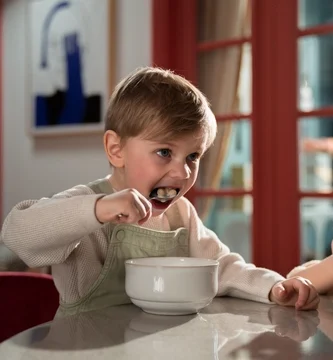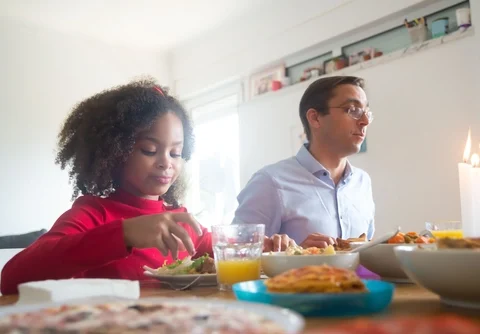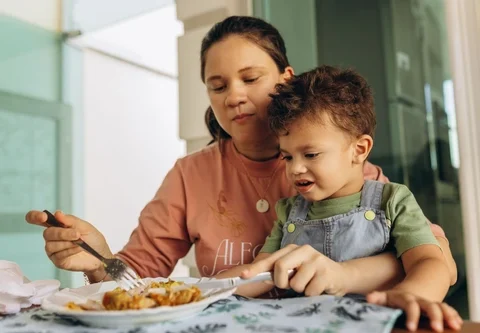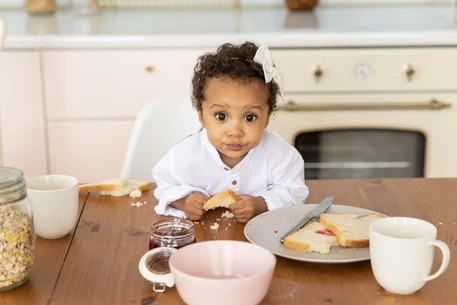
I remember standing in my kitchen, holding a plate of barely touched pasta, wondering if I had somehow raised a child who would survive on air and goldfish crackers alone. Every meal felt like a negotiation, sometimes a shouting match. I tried everything. I begged. I bargained. I hid vegetables in smoothies until she found out and refused to drink anything green for months.
Here’s the thing I didn’t get then. The fight wasn’t about broccoli. It was about control. My daughter wasn’t rejecting food. She was rejecting my desperation. And the harder I pushed, the more she closed her mouth, literally and figuratively.
The Failed Attempts That Made Things Worse
Most parents start with the same playbook. We offer rewards. “Eat three bites of peas, and you can have dessert.” It feels logical. A bribe for compliance. But here’s what happens. The child learns that peas are punishment, dessert is the prize. They don’t learn to like peas. They learn to tolerate them until they get the cookie.
Then there’s the hidden-vegetable trick. Puree spinach into muffins. Shred zucchini into pasta sauce. It works for a while. Until your kid discovers the deception, and then trust evaporates. My daughter refused all baked goods for two weeks after she found a fleck of green in her banana bread. She wasn’t being difficult. She was being smart. She learned she couldn’t trust what I put on her plate.
Pressure tactics are the worst. The classic “you can’t leave the table until you finish your chicken.” This turns mealtime into a hostage situation. Kids become anxious, stubborn, or both. They learn to ignore hunger cues. They learn that eating is about pleasing adults, not nourishing themselves. It doesn’t work. It backfires. Every time.
The Core Insight That Changed Everything
Picky eating isn’t a discipline problem. It’s a sensory and safety issue. Kids reject unfamiliar foods because their brains are wired to protect them from poison. It’s an evolutionary holdover. When a toddler sees a new food, their amygdala fires. This looks dangerous. My job isn’t to force acceptance. My job is to reduce the perceived threat.
The shift is this. You stop being the food police. You become the food explorer. You don’t demand. You invite. You don’t pressure. You model. And you accept that your child might take thirty exposures to a single food before they even touch it. That’s normal. That’s biology. Not rebellion.
The Phased Stages to Peaceful Mealtimes
Stage One: Stop the Battle. Remove the Pressure Completely.
This stage is about de-escalation. You need to stop the war before you can build new ground. The first thing I did was declare a ceasefire. I told my daughter, “From now on, you decide what and how much you eat from what’s on your plate. I decide what’s on your plate. No more negotiations.”
Here’s what that looked like practically. I stopped commenting on her eating. No praise for bites taken. No disappointment for bites left. I stopped asking “Do you like it?” because that invites a verdict. Instead, I described what I was eating. “This chicken is salty and juicy.” “The broccoli has little trees on top.” Neutral observations. No pressure.
The rule was simple. One safe food on every plate. Something I knew she would eat. Rice, bread, plain pasta. Alongside that, one or two new or less preferred foods. She could eat whatever she wanted from the plate. She could ignore the rest. No commentary from me.
This stage feels terrifying. You think your child will eat only bread forever. They won’t. But first, they need to trust that you’re not going to trick them. That takes weeks, sometimes a month. Be patient. The goal here isn’t nutrition. The goal is safety.
Stage Two: Build Curiosity Without Demand
Once the pressure is gone, something shifts. Your child might start eyeing the new food. They might poke it. Smell it. Maybe even lick it. This is progress. Do not celebrate out loud. That adds pressure back. Instead, stay calm.
This is where you introduce food play. Let them touch the food. Break it apart. Dip it in sauce. I used to put a tiny amount of hummus on a plate and let my daughter draw patterns with a carrot stick. She never ate the hummus at first. But she touched it. She smelled it. She got comfortable with its presence.
Your job here is to offer repeated, low-stakes exposure. The same food, served different ways. Raw carrots one day. Steamed the next. Roasted with olive oil. Each time, the amygdala calms down a little. The food becomes familiar. Familiar is safe.
Don’t ask “Do you want to try it?” That’s still a demand. Instead, say “I’m going to eat this now. It’s crunchy.” Take a bite. Enjoy it visibly. Let them see you liking it. Then go back to your own meal. No follow-up. No expectation.
Stage Three: The One-Bite Agreement (But Only When They’re Ready)
This stage comes naturally, not by force. One day, your child might say, “I want to try that.” Or they might not. Don’t wait for that. Instead, introduce a gentle structure. “Here’s the deal. You don’t have to eat anything you don’t want. But once a meal, you can choose to take one tiny bite of something new. If you hate it, you can spit it into a napkin. No questions asked.”
This works because it gives control back to the child. They choose when to take the bite. They choose what to try. They have a escape route. Spitting out is allowed. That’s huge. It removes the fear of being trapped.
We did this for months. Some days she tried nothing. Some days she tried a pea and made a face. I said nothing. I just handed her the napkin. She spat it out. I nodded. That was it.
Over time, the number of bites increased. She started noticing flavors. “This is sweet.” “This tastes like grass.” Neutral observations. No judgments. Eventually, she started eating things she had rejected for years. Not because I won. Because she felt safe enough to explore.
The Ending That Isn’t Really an Ending
You might be reading this and thinking, “This sounds slow. I don’t have months.” I get it. Mealtimes are exhausting. You’re tired of cooking separate meals. You’re worried about nutrition. I’ve been there.
But here’s the truth. The shortcut you want doesn’t exist. Pressure creates resistance. Trickery destroys trust. The only path forward is the long, patient, boring path of repeated neutral exposure. And it works. Not perfectly. Not quickly. But it works.
My daughter now eats broccoli. She asks for it sometimes. She’s still not a fan of mushrooms. That’s fine. She’s not a robot. She’s a human with preferences. And I learned that my job wasn’t to shape her into an adventurous eater. My job was to give her the tools to become one herself.
Today, try this. Serve one meal for everyone. Include one safe food. Eat together. Say nothing about what she eats. Just eat your own food. Describe it. Enjoy it. That’s it. One meal without a battle. Then do it again tomorrow.