It’s 8:30 p.m. You say it’s time to brush teeth, and your kid begs for five more minutes of play. You agree. At 8:45, you urge them to get ready, and they stall again. By nine o’clock, you take their toys away, and they burst into tears. You raise your voice, and they finally fall asleep — yet you sit alone in the living room, drained and feeling like you accomplished nothing all evening.
This nightly back-and-forth plays out in countless homes.
Many parents assume they need an elaborate bedtime ritual, but families who’ve tested steady routines found the best ones are not lengthy — they just follow a predictable flow. Kids rarely fight sleep itself; they resist the sudden cut-off from fun.
Quick Answer:
Bedtime battles usually happen because children struggle with transitions from high energy to rest and feel a lack of control. A consistent bedtime routine, a calm wind-down period, limited choices, and short predictable closing language can significantly reduce resistance over time.
Start winding down their bodies half an hour early
Children stay wired at bedtime not always because they aren’t tired, but because their bodies cannot shift out of high energy instantly. Ten minutes of quiet time before lights out is often not enough.
Try these small shifts thirty minutes ahead of bedtime: turn off all screens, dim the lights, and speak in softer tones. Many parents notice their child naturally slows down once the house grows calm and dim.
One mom shared that her son would sprint wildly all over the house right after baths. She moved bath time to before dinner and filled the pre-bed hours only with calm activities: storybooks, soft music and quiet chats. This cut his bedtime struggle by around fifteen minutes.
Not every child needs a full thirty-minute wind-down. Watch your little one’s cues: if they toss and turn for ages after lights out, their body likely hasn’t relaxed enough.
Stick to a fixed sequence instead of endless bargaining
Kids beg for “one more story” or “one more minute” because the nightly schedule lacks consistency. When every step is up for debate, they learn to negotiate nonstop. A set routine lets them learn bedtime rules are non-negotiable.
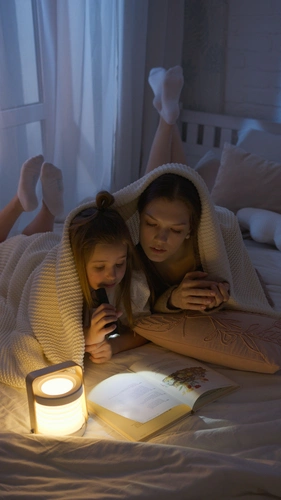
A sample steady flow could look like: put toys away → brush teeth → two picture books → turn off lights → one short song → a single closing line. Adjust the order to fit your family, but keep it identical every night. Over time, many kids will even remind you of missing steps, like “we haven’t sung our song yet.”
Two books mean exactly two. If you occasionally cave for an extra story, they will remember and keep pushing the limit next night. Occasional flexibility is fine, but expect more negotiations afterward.
Give kids small choices to build a sense of control
Resistance spikes when children feel they have no say in their night. Offer limited trivial choices that do not disrupt the routine.
Let them pick between simple options: which pajamas to wear, which stuffed animal to take to bed, or whether to tidy toys before or after brushing teeth. Parents report far smoother cooperation when kids get to call the shots on tiny details.
One child constantly called his mom back to his bed after lights out, inventing endless excuses. His mom gave him one pre-planned visit pass before bedtime: “You have one chance to call me tonight — do you want to use it now, or save it for the middle of the night?” He chose to save it, rolled over, and fell asleep immediately. Small choices eliminate the urge to fight over bigger rules.
Stick to just two options per choice. Too many picks will overwhelm them and slow the routine further.
Keep closing lines short, then stop conversation
Many bedtime fights drag on long after dark because parents keep chatting, answering questions and retelling extra stories. Extended talk after lights out only fuels delays.
Pick one brief consistent closing line once lights are off, such as “I love you, see you in the morning,” then stay quiet. If your child calls you, respond only with a soft hum instead of starting a new conversation. Kids lose interest in summoning you when the interaction feels dull and brief.
For children with separation anxiety, add a gentle reassurance: “Mommy’s right outside, I’ll check on you in five minutes.” This lets them know you are nearby without opening a long chat.
One calm ordinary night
At 8:30, you guide your child to put toys away with no complaints. They pick out blue pajamas and slip one sleeve on alone. You finish two picture books, and their eyes grow heavy by the final page. You say “I love you, see you in the morning.” They roll over without calling you back.
You walk to the living room and glance at your phone: 8:57 p.m.
You remember shouting through bedtime chaos around this time once, yet now you sit peacefully with a warm cup of water in your hands.
You do not need to nail every single moment perfectly. You just need to repeat this steady simple routine long enough for it to stick.