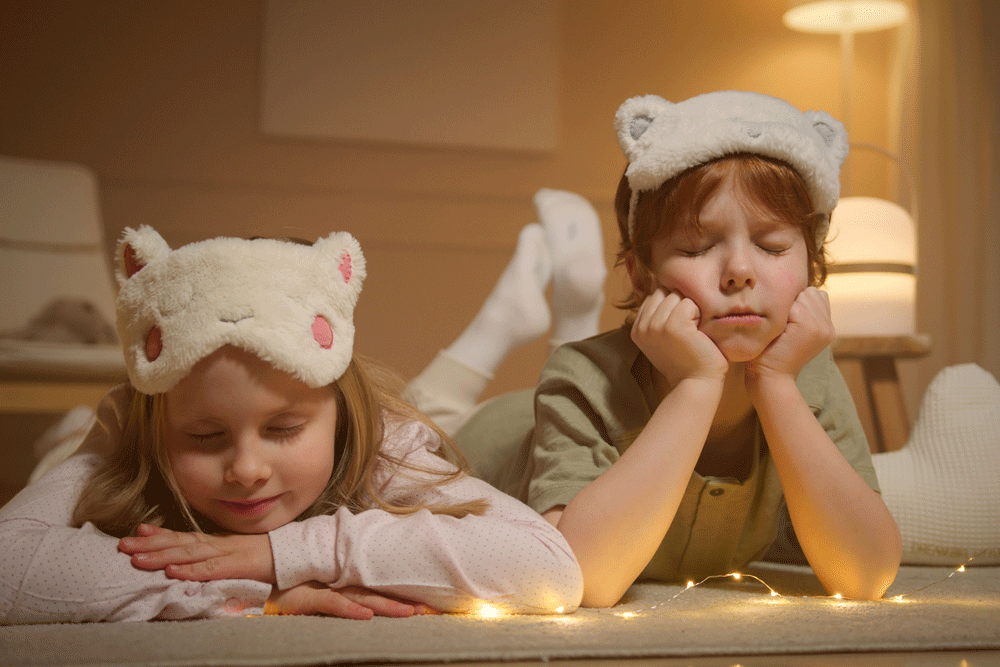
You know the drill. It’s 9 p.m. You’ve brushed your child’s teeth, read three picture books and sung two songs. You turn off the light and start to slip out quietly. Then you hear it: “Mommy, I want some water.”
You get the water. You sit down again, and next comes, “Mommy, I need to use the bathroom.”
You walk with them. They lie back down. Five minutes later: “Mommy, I’m scared. There are monsters.”
Your patience is wearing thin, but you go over to soothe them and say there’s nothing to fear. Then they ask for one more story.
Finally, you lose your temper and raise your voice. They start crying, and you’re left feeling guilty.
Does this sound like your nightly routine after lights out? I’ve been there. I tried a few simple strategies, and bedtime went from total chaos to manageable. Here’s what works for me.
1. Replace “Stop running around” with “Let’s do three quiet things”
Most kids fight bedtime not because they aren’t tired, but because their bodies are still wired up. They can’t switch straight from active play to lying still and sleeping.
I used to chase after them and shout, “Stop running! It’s bedtime!” That only made them run faster. Another mom shared a better idea: help their bodies wind down gradually.
Try saying: “We have three things to do next. First, put all toys away. Second, brush teeth. Third, pick two books. Once we finish, we’ll turn off the light.”
Keep each task calm and low-key. Stick to the same order every night. When kids know what to expect, they stop begging for “five more minutes” of play.
If they refuse to tidy toys, offer to help: “I’ll put the cars away, and you can pack up the blocks.” Work together instead of forcing them.

2. Say reassuring words after turning off the light
Lights out is often the hardest part. In the dark, their minds race. They worry about monsters, or fear you’ll leave them alone.
Many parents say, “There are no monsters. Go to sleep.” Or “Stay up late and you’ll be tired tomorrow.” These words make logical sense, but kids don’t listen. They aren’t really scared of monsters — they just feel uneasy and need to know you’re nearby.
I use this line every night: “Mommy’s right outside. I’ll check on you in five minutes. Close your eyes, and I’ll be back soon.”
It does two things. First, it eases their fear by letting them know you won’t leave. Second, it gives them a simple focus, shifting their attention away from worries to waiting for you.
Another trick from a fellow parent: “Let’s play a game. Pretend you’re fast asleep, and see how long you can keep it up.” Kids will lie still with their eyes shut, and most drift off before long. It sounds silly, but it works for many families.
If they have real fears — from nightmares or sleeping in a new room — take it seriously. Leave a nightlight on, or give them a stuffed animal and say, “This teddy bear will keep you safe.” Don’t brush off their feelings with a quick “Don’t be scared.”
3. Check if you’re accidentally rewarding bedtime resistance
Many parents don’t realize it: kids drag out bedtime because staying up feels more fun than sleeping.
Think about this scene. Your child keeps getting out of bed. They ask for water, then a bathroom trip, then one more hug. Every time they call you over, you stop what you’re doing and interact with them.
To them, staying up means getting your full attention. They don’t do this on purpose, but kids learn quickly: actions that get a response get repeated.
A mom I know used to be called in seven or eight times each night. She changed her approach. The first time her child called, she went in calmly and said, “It’s time to sleep now,” then left. The second time, she just stood at the door and said “Good night” without stepping inside. On the third call, she stayed quiet and didn’t go in. Soon enough, the child settled down to sleep.
This isn’t being unkind. Do this only when you’re sure they have no real needs — they aren’t hungry, thirsty or scared. Don’t let their little delays keep you running back and forth.
If you feel uneasy ignoring them entirely, try a gentler way. Place a chair by their bedroom door. Sit there quietly, no talking, no looking their way. They will stop fidgeting and fall asleep soon. Over a few days, move the chair farther away little by little, until you can leave the room completely.
One easy trick to start today
If you only try one thing, do this: For the last five minutes before bed, turn off all screens. Lie down with your child, pat their back gently and stay quiet. Or hum a soft tune with no lyrics. Help them link bedtime to peace, not arguments.
Final thoughts
Kids fight bedtime not because they’re naughty, and not because you’re doing something wrong. At this age, their brains can’t simply “power down” on command. They need you to guide them from being awake to falling asleep.
You don’t have to follow these steps perfectly every night. There will be days you’re worn out and just want to snap, “Go to sleep now.” That’s totally normal.
But give one or two of these ideas a go. Those long, tiring nights will get easier.
Bedtime battles aren’t about winning an argument. What matters is that your child drifts off feeling safe, and you still feel connected to each other.
Your job isn’t to force them to sleep. It’s to stay with them until they’re ready.