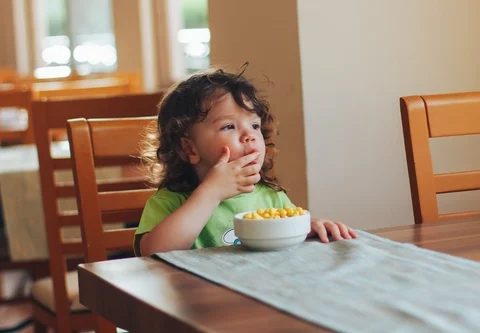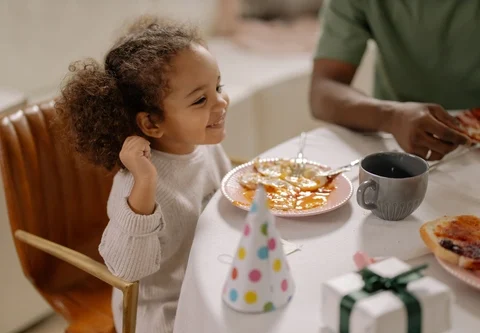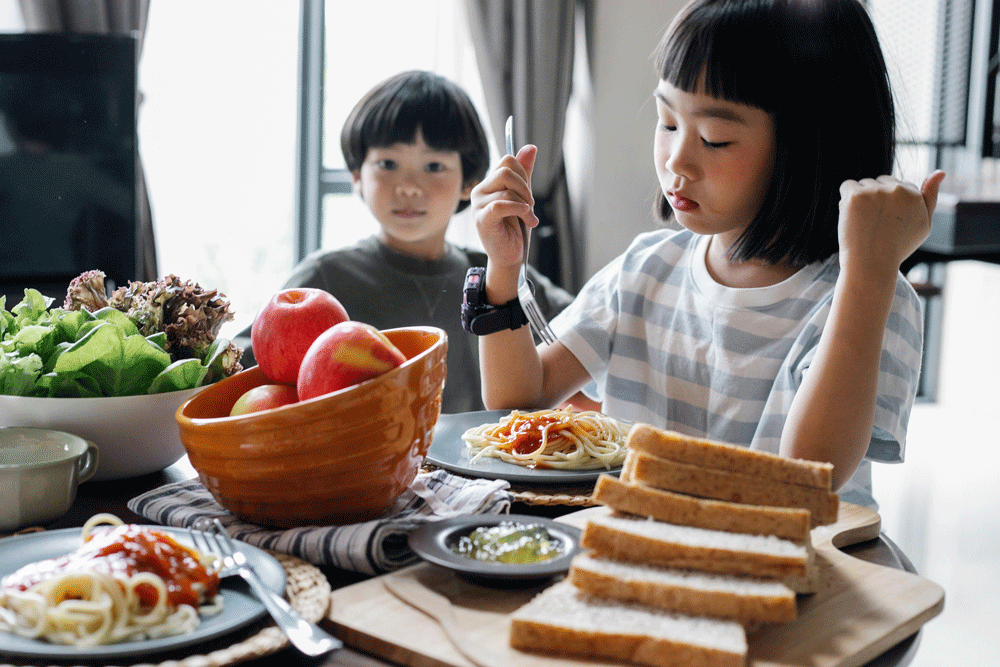
During a meal with a friend recently. Her son is nearly three years old, and his favorite thing to do at mealtimes is to pick greens out of his bowl one by one and say earnestly, “This tastes bad.” Sometimes he would even push his bowl away without so much as a glance. She said work was never her biggest daily headache; instead, it was figuring out how to get her child to eat even a few bites of food.
To get him to eat more, she has tried chasing him around to feed him, letting him watch cartoons while eating, and making all sorts of cute shaped rice balls. Yet often, an hour would pass with constant fussing, leaving both parent and child exhausted and frustrated..
I’ve since realized that countless parents go through the same struggle. Kids suddenly lose their appetite, refuse vegetables, shake their heads at new foods, and barely eat a few mouthfuls per meal. Especially in the toddler years, picky eating is almost an unavoidable hurdle for many families.
Gradually, I’ve come to understand that rather than fixating on how to make children eat more, it is far more important to first figure out why they become picky eaters. The following methods can greatly ease parents’ daily mealtime anxiety.

1. They’re not being defiant — they’re craving a sense of control
Most toddlers are not actually disgusted by certain foods. They are simply starting to realize they can make their own decisions.
Kids at this age love saying “no” to everything. They refuse certain clothes, reject car seats, fight bedtime, and of course, turn down meals too.
My friend once encountered a typical situation. Her son normally loved eggs, but one day he instantly turned his head away at the sight of them. At first she spoke gently, asking him to take just one bite. As she grew anxious, she started questioning why he refused to eat again, and eventually grew annoyed. The boy burst into tears and knocked over his spoon.
She then changed her approach. She stopped chasing him to feed him, simply set the food on the table and ate her own meal quietly. She never urged him repeatedly, only casually mentioned now and then, “These carrots taste really sweet today.” Before long, the child reached out and picked one up on his own.
Practical tips
- Never chase kids to feed them
- Avoid constant urging to eat faster
- Stop saying phrases like “Hurry up and eat” or “Why won’t you eat again”
More often than not, children resist not the food itself, but the feeling of being forced to eat. Once mealtimes are linked with pressure, toddlers will only grow more resistant. The top priority is to turn eating back into a relaxed experience.
2. Rejection of new foods usually stems from unfamiliarity
Many parents wonder why kids turn down food without even tasting it.
Toddlers are naturally wary of unfamiliar food. Any difference in color, smell or texture can make them say no right away.
My neighbor’s daughter once hated broccoli and shook her head at all green vegetables. Instead of forcing her to eat it, her mother let her join in cooking — washing broccoli, breaking it into small florets and arranging it on plates. She even playfully asked if the broccoli looked like little trees, sparking the girl’s interest.
At first she only played with it instead of eating it, but after several exposures, she took a bite voluntarily.
Guidance advice
- Do not expect kids to accept new food on the first try
- It may take over ten encounters for a toddler to get used to a new food
- Focus on building familiarity first, rather than immediate consumption
A key detail easy to overlook: do not cheer loudly with excitement the moment they take a bite, as this may make them feel targeted and guarded. Staying calm and carrying on normal conversations helps them feel more at ease.

3. Picky eating is sometimes just a lack of hunger
Another common cause is that children simply are not hungry when mealtime comes. Many kids eat very little at regular meals yet crave snacks soon after. Toddlers naturally have unstable appetites. Constant snacks like cookies, milk and fruits throughout the day will definitely ruin their appetite for proper meals.
One relative of mine used to worry nonstop that her child would go hungry, so she gave him food anytime anywhere. Unsurprisingly, he could never sit still for dinner. Following a doctor’s advice, she set fixed times for main meals and snacks, leaving proper gaps in between instead of constant feeding. Though it felt uncomfortable at first, her child’s eating habits improved steadily within two weeks.
Daily adjustments
- Stick to fixed mealtimes
- Keep snacks far away from dinner time
- Discourage eating while playing or watching videos
Without the feeling of hunger, children will naturally lose interest in food. Besides, every toddler has a unique appetite and growth pace. Never compare your child with others who eat more. It matters more to observe their overall physical condition in the long run.
I’ve gradually understood that parents feel anxious about picky eating mainly because they equate eating well with good health, proper growth and being a qualified parent. Yet for toddlers, eating is a gradual learning process. They are exploring different flavors, expressing their preferences, and building their own relationship with food.
If you are also struggling with stressful mealtimes with your little one, do not blame yourself. This phase is extremely common among young kids. Instead of rushing to get them finish a full bowl of rice, it is more meaningful to let them feel that eating is free of pressure — a safe, soothing experience where they can explore freely.
This sense of security is far more valuable than getting them to eat a couple more bites.