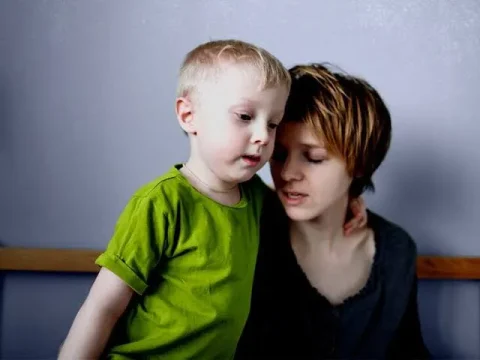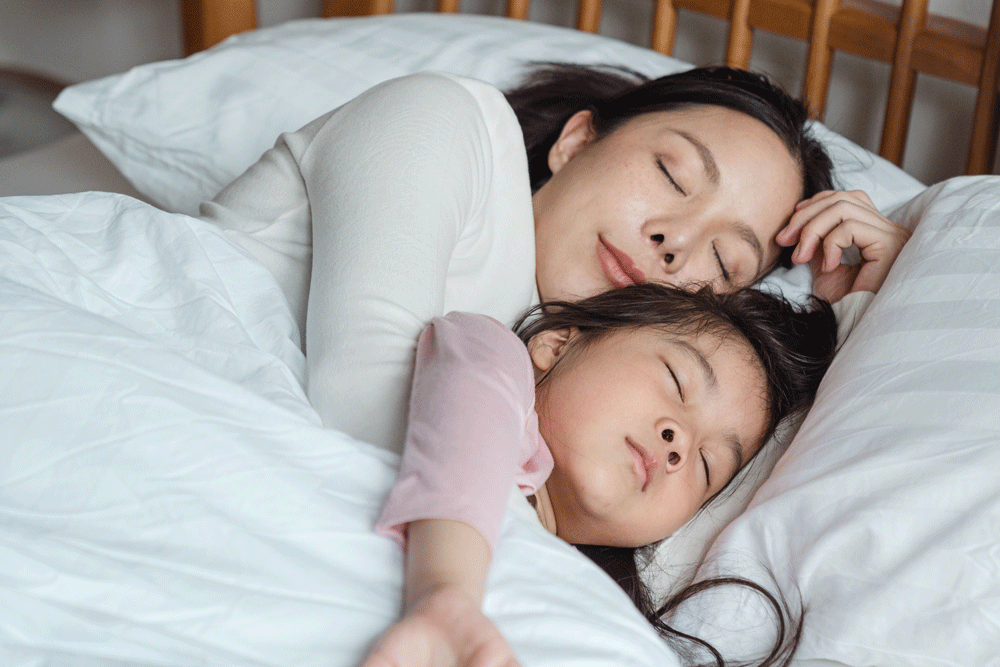
It’s 9:30 p.m. You finally get your child to sleep and tiptoe toward your room. Right at the door, a voice calls out, “Mommy.” You sigh and climb back into bed. At 3 a.m., they roll over and snuggle tight against you, pushing you right to the edge of the mattress. Your back aches, and you drag through the next day at work, barely able to stay awake.
Many families go through this phase. People may tell you, “You’ve spoiled them” or “Let them cry it out for a few nights.” But most parents can’t bear listening to their child cry alone all night. Your little one isn’t trying to wear you down. They simply haven’t learned to settle down without you nearby.
Why they want to sleep beside you
For young kids, your presence means safety. Fears and loneliness feel bigger after dark. Your warmth, steady breathing and heartbeat naturally soothe them. This is not bad behavior — it’s a normal developmental need. Most children grow more independent with time. If you’d like to speed up the process gently, try these practical tips from other parents. Pick what works for your family.
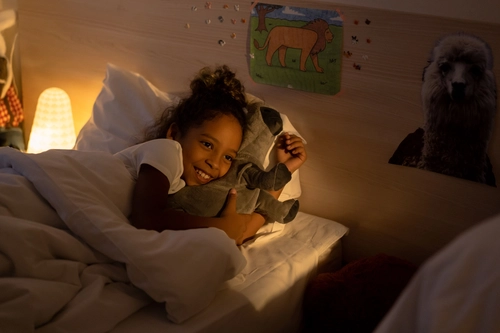
Start with separate beds in the same room
Don’t jump straight to having them sleep alone in another room. Many kids will cry terribly, leaving everyone exhausted. One mom regretted skipping this gradual step.
Place a toddler bed or mattress next to your bed, so you can easily reach your child. For the first few days, stay beside them until they fall asleep, then leave. Once they grow used to it (about a week), step out briefly while they’re still awake. Say, “Mommy’s just popping to the bathroom. I’ll be right back in two minutes.” Always return on time, and slowly extend your time away.
Be patient — this process takes weeks. If your child regresses and cries heavily one day, go back to the previous step for a while. Don’t push too hard.
Keep a simple bedtime routine
A bedtime routine helps kids wind down, but don’t make it overly complicated. Long baths, massages, endless stories and songs can leave them wide awake instead.
Stick to three short steps, finished within 25 minutes. For example: brush teeth, read one picture book, then turn off the light. After dark, don’t start new stories. Speak softly and repeat gentle lines: “The cat is asleep, the dog is asleep, and now it’s time for you to sleep. Mommy is right here.” Keep the routine exactly the same every night.
One dad used picture cards for bath time, storytime and lights out. His child flipped the cards to decide the next step. This small sense of involvement stopped constant requests for “just one more story.”
Remember: The routine’s job is to tell the brain it’s time for rest. You don’t have to get them asleep instantly. If they accept the flow, you’ve succeeded.
Give them a comfort object to take your place
Kids often reach out for you the moment they wake at night. What they need is a sense of security, not just you. A stuffed animal, soft blanket or even an old shirt you’ve worn works well.
Let your child play with the item during the day. Before bed, hold it for a while so it carries your scent. Say, “This teddy bear will stay with you and keep you safe while you sleep.” One family wished the bear goodnight together every evening for a week. Soon the child reached for the bear on their own.
If they refuse the comfort object, don’t force it. Start by holding your child while they hug the toy. Gradually move to sitting beside them as they hold it. A dim nightlight or soft white noise also helps calm them. These act as extra sources of comfort.
You may notice they still wake up at night, but now they touch their toy first instead of calling for you right away. That’s real progress.
When they climb into your bed at night
It’s common for kids to fall asleep in their own bed, then wander to yours in the middle of the night. You can handle this flexibly.
Some parents gently but firmly walk their child back each time, stay a moment, then leave. After one or two weeks, night wanderings become far less frequent.
Others make a simple deal: “Sleep in your bed for the first half of the night, and you can come to mine later.” Many kids follow this rule and end up sleeping through the whole night alone.
Choose what fits your schedule. If you have to work the next day and feel worn out, letting them join you later is perfectly fine. You don’t have to stick rigidly to rules all the time.
One quiet night
You help them brush their teeth, read a story and turn off the light. They curl up with their teddy bear in their own little bed. “Good night,” you say. “Good night, Mommy,” they reply.
You walk out of the room. They don’t call you back.
Lying in your own bed, you stretch freely. Having your own space again feels nicer than you expected.
Progress doesn’t have to happen overnight. Every small step forward counts. All the quiet company you give your child builds their confidence that they are safe. That matters far more than strict sleep training.