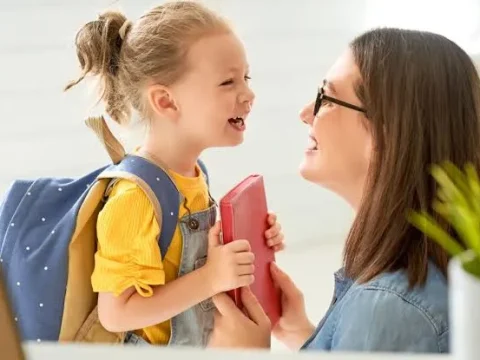
Many parents experience this moment:
“Only mommy!”
“No, I don’t want dad.”
“I want the other parent.”
When a child repeatedly chooses one parent, the other parent may feel hurt or rejected.
They may wonder:
“Did I do something wrong?”
“Does my child love me less?”
The good news is that parent preference is a very common stage of child development.
It usually does not mean a child loves one parent more.

1. Children Often Choose the Parent They Feel Most Comfortable With in That Moment
Young children often develop strong preferences during certain periods.
They may prefer:
- The parent who spends more time with them
- The parent who handles a certain routine
- The parent who recently provided comfort
For example, if one parent usually does bedtime, the child may naturally look for that parent at night.
It is often about familiarity, not love.
2. Big Changes Can Make Children Seek One Parent More
Children may become more attached to one parent during times of change.
Examples include:
- Starting daycare
- Moving homes
- Getting a new sibling
- Changes in daily routines
When children feel uncertain, they often look for the person who represents safety and comfort.
3. Avoid Turning It Into a Competition
When a child says:
“I don’t want you!”
it can feel personal.
But reacting with:
“Fine, then I won’t play with you.”
can make the situation more stressful.
Instead, stay calm.
You can say:
“I know you want mommy right now. Daddy is still here when you need me.”
This shows emotional security.
How Can Both Parents Build a Stronger Bond?
Try creating regular one-on-one moments.
It can be simple:
- Reading together
- Taking a walk
- Playing a favorite game
- Doing a small daily routine
Strong relationships are built through repeated positive experiences.
A child does not need a perfect parent.
They need a parent who is consistently present.
What Should the Less Preferred Parent Avoid?
Avoid:
- Trying too hard to win the child over
- Taking rejection personally
- Comparing yourself with the other parent
- Asking the child to choose between parents
Children need freedom to love both parents without feeling pressure.
Final Thoughts
A child preferring one parent is usually a normal part of development.
It does not mean the other parent has failed.
With patience, consistency, and positive interactions, children often move through these phases naturally.
The goal is not to become the “favorite.”
The goal is to build a secure relationship that lasts.