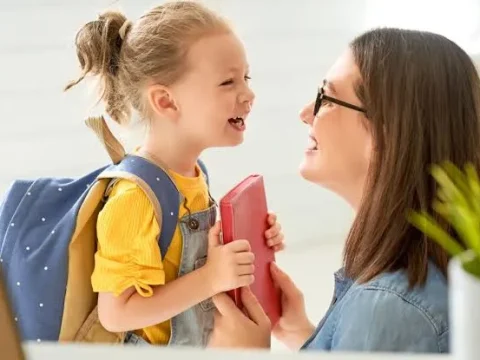
Many parents feel frustrated when their child gives up quickly.
A child may say:
“I can’t do this.”
“It’s too hard.”
“I don’t want to try anymore.”
after only a few attempts.
Parents often wonder:
“Why does my child quit so easily?”
“How can I help my child become more determined?”
The answer is often more complicated than simply saying a child lacks motivation.
Children’s willingness to keep trying is influenced by confidence, emotions, past experiences, and how they view challenges.
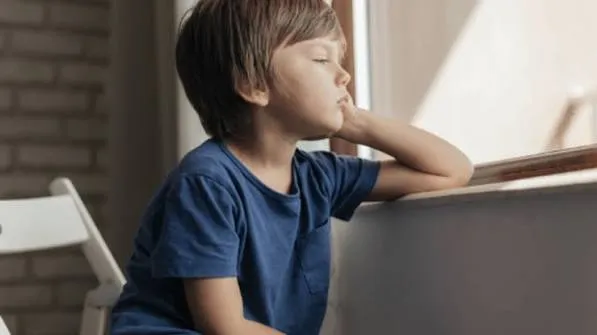
Giving Up Does Not Always Mean Laziness
Many parents assume that a child who quits quickly is being lazy.
However, children may give up because they feel:
- Frustrated
- Overwhelmed
- Afraid of failing
- Unsure where to start
- Worried about disappointing others
A child saying “I can’t do it” may actually mean:
“I don’t know how to handle this feeling.”
Children Need to Experience Small Successes
Confidence grows through successful experiences.
When a task feels too difficult, children may decide:
“This is impossible.”
Parents can help by breaking challenges into smaller steps.
Instead of:
“Finish the whole thing.”
Try:
“Let’s solve the first part together.”
Small achievements teach children:
“I can improve.”
“I can learn.”
Avoid Solving Every Problem for Your Child
It is natural for parents to want to help immediately.
However, constantly stepping in may prevent children from developing confidence.
Instead of fixing everything, try asking:
“What have you tried so far?”
“What could you try next?”
“How can I support you?”
This helps children develop problem-solving skills.
Praise Persistence Instead of Natural Ability
Children often hear:
“You’re so talented.”
But focusing only on talent can make children afraid of difficult tasks.
Instead, praise:
- Effort
- Practice
- Improvement
- Problem-solving
For example:
“You kept trying even when it was difficult.”
This teaches children that progress comes from effort.
Help Your Child Build a Positive Relationship With Challenges
Children who believe challenges are opportunities to learn are more likely to keep going.
Parents can model this by saying:
“I don’t know yet, but I can learn.”
“Mistakes help me improve.”
Children learn resilience by watching how adults handle difficulty.
Final Thoughts
A child who gives up easily is not necessarily lacking ability.
Often, they need support building confidence, patience, and emotional skills.
With encouragement and the right environment, children can learn that difficult things become easier through practice.