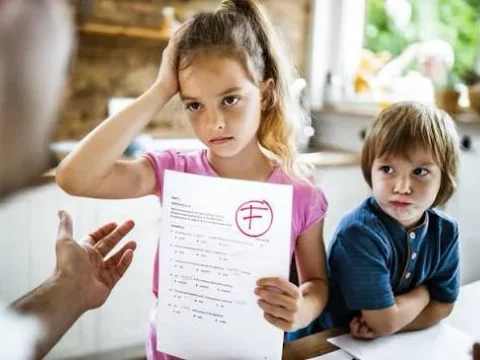
Many parents experience this situation:
A toy breaks.
A rule is ignored.
A problem happens.
Then the child says:
“It wasn’t me.”
“They made me do it.”
“It’s not my fault.”
Parents may feel frustrated and think:
“Why can’t my child admit mistakes?”
“Why does my child always blame someone else?”
However, avoiding responsibility is often connected to emotions rather than simply bad behavior.
Children need time and guidance to develop accountability.
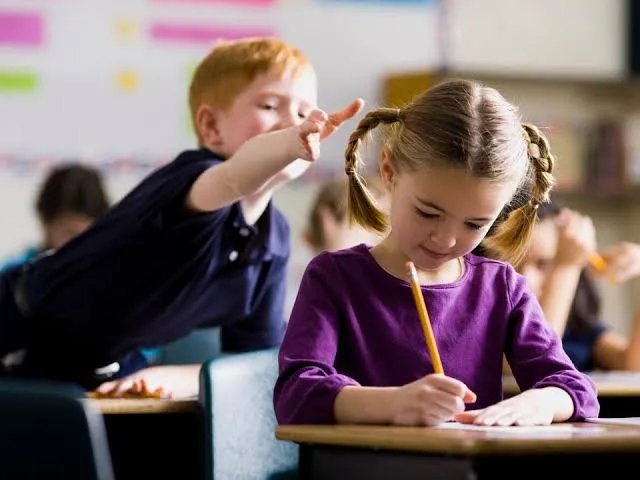
Children May Blame Others to Protect Their Feelings
Admitting a mistake can feel difficult.
Children may worry:
“Will my parents be angry?”
“Will they think I am bad?”
“Will I get in trouble?”
Blaming others can become a way to protect themselves from uncomfortable feelings.
The child is often trying to avoid shame, not intentionally create problems.
Young Children Are Still Learning Responsibility
Responsibility is a skill that develops over time.
Children need to learn:
- Actions have consequences
- Mistakes can be repaired
- Honesty helps solve problems
A young child may understand rules but still struggle to connect actions with outcomes.
Focus on Solutions Instead of Shame
When children make mistakes, parents can choose between punishment and teaching.
Instead of:
“Why did you do that?”
“Stop blaming others.”
Try:
“What happened?”
“What can we do to fix it?”
“What can we learn from this?”
Solution-focused conversations help children develop responsibility.
Separate Mistakes From Identity
Children need to understand:
“I made a mistake.”
is different from:
“I am a bad person.”
When mistakes feel safe to discuss, children become more willing to be honest.
Model Accountability Yourself
Children learn from observing parents.
Parents can demonstrate:
“I made a mistake.”
“I should have handled that differently.”
“I will try another way next time.”
Seeing adults take responsibility teaches children that mistakes are normal.
Give Children Opportunities to Make Choices
Responsibility grows through practice.
Parents can encourage age-appropriate choices:
- Choosing clothes
- Completing simple tasks
- Solving small problems
Children build confidence when they experience the results of their decisions.
Final Thoughts
A child who blames others is often struggling with uncomfortable emotions.
The goal is not to make children feel guilty.
The goal is to help them learn honesty, responsibility, and problem-solving skills.
With patient guidance, children can learn that mistakes are opportunities to grow.