
Many parents notice small changes in the way their children communicate. One common concern is when a child avoids eye contact during conversations, especially when being asked questions, corrected, or discussing emotions.
Parents may wonder whether their child is ignoring them, feeling uncomfortable, or struggling with communication. However, avoiding eye contact does not always mean a child is being disrespectful or unwilling to engage.
Children express themselves differently, and their body language can be influenced by emotions, personality, development, and the situation they are experiencing.
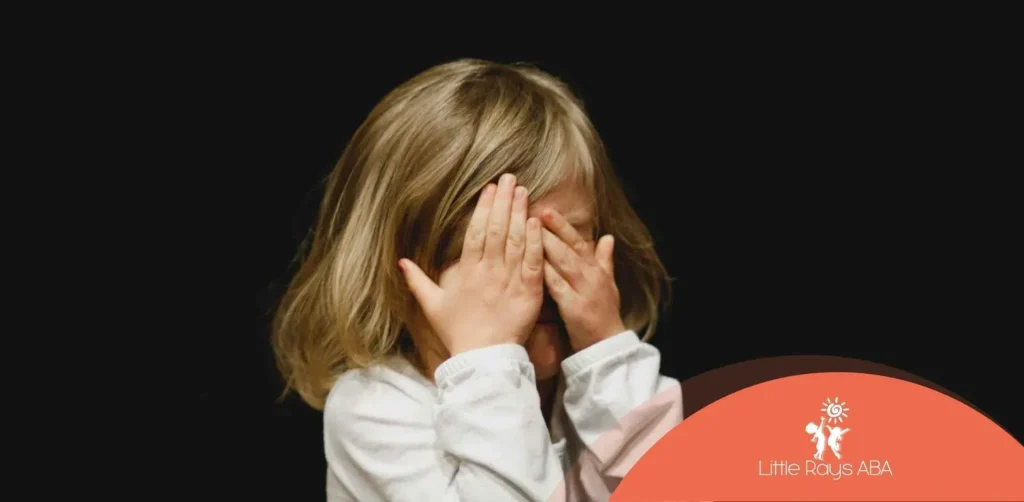
Eye Contact Can Feel Difficult During Emotional Moments
For some children, making eye contact becomes harder when they feel overwhelmed.
When children experience emotions such as embarrassment, frustration, fear, or sadness, they may naturally look away as a way to manage those feelings. Looking away can help them process what is happening instead of dealing with the intensity of the moment.
For example, a child who avoids eye contact after making a mistake may not be refusing to listen. They may simply feel uncomfortable facing the situation.
Some Children Communicate Better in Other Ways
Adults often associate eye contact with attention and honesty, but children may show engagement differently.
A child may be listening while:
- Looking at the floor
- Playing with an object
- Moving around
- Looking somewhere else while thinking
Some children concentrate better when they are not forced to maintain eye contact.
Instead of focusing only on where a child is looking, parents can pay attention to the overall communication:
Are they responding?
Are they trying to explain their feelings?
Are they participating in the conversation?
Avoid Turning Eye Contact Into a Power Struggle
Repeatedly saying “Look at me when I talk to you” may create more pressure for some children.
If a child already feels nervous or uncomfortable, additional pressure may make communication more difficult.
Parents can try creating a calmer environment by saying:
“I know this conversation feels difficult. I am here to listen.”
“You can take your time and tell me when you are ready.”
This helps children feel safe enough to communicate.
Pay Attention to Patterns Over Time
Occasional avoidance of eye contact is usually not a concern by itself.
However, parents may want to pay attention if eye contact avoidance happens together with other communication difficulties, such as:
- Struggling to express needs
- Difficulty interacting with others
- Frequent withdrawal from conversations
- Significant changes in behavior
Looking at the whole picture is more helpful than focusing on one behavior alone.
Final Thoughts
A child who avoids eye contact is not necessarily being rude, distant, or dishonest.
Understanding the emotions and situations behind the behavior allows parents to respond with more patience and support. Strong communication develops through trust, safety, and connection.



