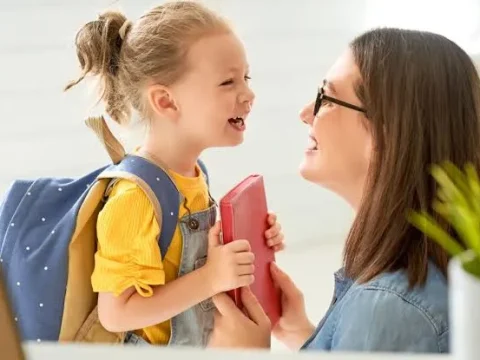
“Mom, look at me!”
“Watch this!”
“Can you play with me?”
Many parents hear these words dozens of times every day.
At first, it may feel sweet. But over time, constant requests for attention can become exhausting.
Parents often wonder:
“Why does my child always need me?”
“Why can’t my child play independently?”
“Am I creating a child who depends too much on me?”
The truth is that children’s need for attention is often connected to their emotional needs, not simply a desire to interrupt or demand.

Children Seek Attention Because They Want Connection
For children, attention is often a way of asking:
“Do I matter?”
“Are you interested in me?”
“Am I important to you?”
Young children especially experience connection through shared moments with their parents.
When a child asks:
“Look at my drawing!”
They may not only want praise.
They may want to share an experience with someone they love.
Attention-Seeking Behavior Often Communicates an Unmet Need
Many behaviors that parents find challenging may actually be attempts to connect.
A child may:
- Interrupt conversations
- Act silly when parents are busy
- Ask the same question repeatedly
- Become upset when attention goes elsewhere
Instead of seeing the behavior as “bad,” parents can ask:
“What is my child trying to communicate?”
Sometimes the child needs reassurance, connection, or emotional support.
Why Do Some Children Need More Attention Than Others?
Every child has a different temperament.
Some children naturally seek more interaction because they:
- Enjoy social connection
- Are highly expressive
- Need more reassurance
- Are going through a developmental change
A child needing more attention does not mean they are spoiled.
It means they may have a stronger need for connection.
How Can Parents Encourage Independence?
Meeting a child’s emotional needs does not mean giving unlimited attention all day.
Parents can create a balance.
Try:
Give Focused Attention
Short periods of meaningful attention can be more valuable than constant distracted attention.
Examples:
- Reading together for 10 minutes
- Playing without checking your phone
- Asking about their day
Teach Independent Play Gradually
Children develop independence when they feel secure.
Instead of saying:
“Go play by yourself.”
Try:
“I will sit here while you build your blocks.”
“I will check on you after you finish this part.”
Small steps help children feel confident.
Avoid Making Children Feel Like a Burden
When children constantly hear:
“You always need me.”
“You are so demanding.”
They may feel that their emotional needs are a problem.
Instead, parents can set boundaries while still showing love:
“I know you want time with me. I will play with you after I finish this.”
Building a Stronger Parent-Child Relationship
Children usually become more independent when they feel securely connected.
The goal is not to make children need parents less.
The goal is to help them feel safe enough to explore the world.
The Parent You Aspire to Be helps parents understand the emotional reasons behind children’s behaviors and build relationships based on connection, trust, and understanding.
A child who feels seen today develops confidence for tomorrow.