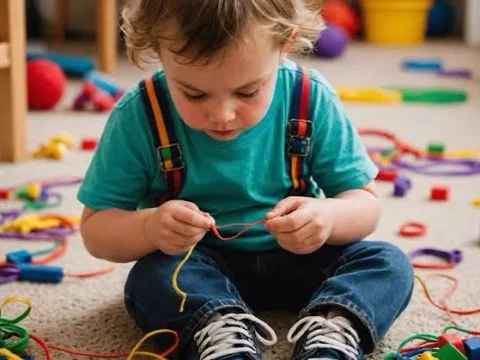
Some children hesitate whenever they face something unfamiliar.
They may avoid:
- New activities
- Meeting new people
- Trying new foods
- Learning new skills
Parents may wonder:
“Why won’t my child just try?”
“Why are they afraid before even starting?”
A child’s hesitation is often not about being stubborn.
It may come from uncertainty, fear, or a lack of confidence.

New Experiences Can Feel Unpredictable
Children feel safer when they know what to expect.
A new situation creates many unknown questions:
“What if I fail?”
“What if I look silly?”
“What if I cannot do it?”
Because children are still developing emotional skills, uncertainty can feel overwhelming.
Some Children Need More Time to Adjust
Children have different personalities.
Some children enjoy exploring immediately.
Others prefer to:
- Watch first
- Understand the situation
- Try slowly
A slower approach does not mean a child lacks courage.
It means they process new experiences differently.
Avoid Forcing Children Too Quickly
When parents push too hard, children may associate new experiences with pressure.
Instead of:
“You have to do it.”
Try:
“Let’s watch first.”
“You can try when you feel ready.”
“I will be here with you.”
Support helps children gradually develop confidence.
Celebrate Attempts, Not Just Results
Children become more willing to try when they know effort matters.
Instead of only saying:
“You did it!”
Try:
“You were brave to try.”
“You kept going even when it was difficult.”
This teaches children that courage comes from taking action.
Help Children Build Confidence Through Small Steps
Large challenges can feel overwhelming.
Parents can break them into smaller steps:
- Looking at a new activity
- Trying for a few minutes
- Practicing with support
Small successes create positive experiences.
Final Thoughts
A child who avoids new things is not necessarily lacking confidence.
They may simply need patience, encouragement, and opportunities to grow at their own pace.