
Some children come home and tell you everything about their friends. Others start saying things like, “Nobody sits with me,” “I have no one to play with,” or “Everyone already has their own friends.”
For a parent, hearing that can be painful. Your first instinct may be to arrange a playdate, contact another parent, or tell your child to simply go and talk to someone. But before jumping into solutions, it helps to understand what “I have no friends” actually means for your child.
Sometimes it describes genuine social isolation. Sometimes the child has one or two connections but does not see them as close friendships. In other cases, there may be a conflict, exclusion, shyness, a transition to a new school, or a social skill that is making friendships harder.
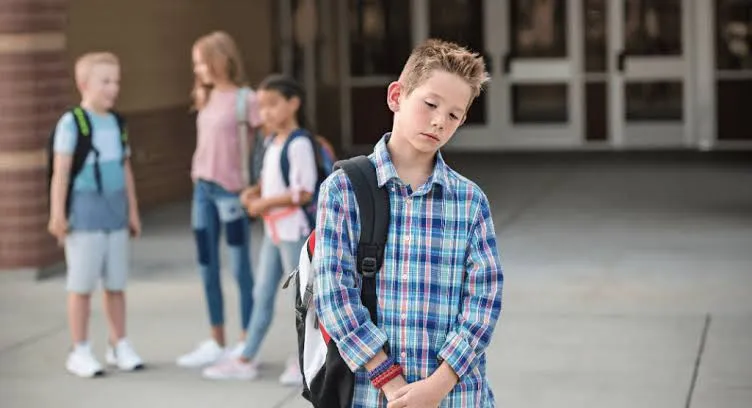
Start by Finding Out What School Actually Feels Like
A child who says they have no friends may not be ready to explain the whole story immediately. Broad questions such as “Why don’t you have friends?” can make the conversation feel like an interrogation.
More specific questions tend to work better:
- Who do you usually sit with at lunch?
- Who do you talk to during class?
- What happens at recess?
- Is there anyone you would like to know better?
- When you try to join other kids, what usually happens?
The answers can help you understand whether the problem is a lack of opportunity, a specific friendship conflict, repeated exclusion, or something else.
Don’t Assume Your Child Has to Become More Outgoing
Parents sometimes believe that the solution is simply getting the child to talk more.
But social confidence is not the same thing as being the loudest person in the room. Some children prefer one close friend to a large group. Others need more time to feel comfortable before joining a conversation.
Instead of asking your child to become more outgoing, focus on helping them find situations where connecting feels more natural.
That could mean:
- spending time with one child rather than a large group
- joining an activity built around a shared interest
- approaching a classmate during a familiar routine
- practicing simple ways to start a conversation
The aim is not to change the child’s personality. It is to give them more opportunities to connect.
Sometimes There Is a Social Skill Getting in the Way
This can be a difficult possibility for parents to consider.
A child may genuinely want friends but struggle to notice when another child wants space, interrupt often, control games, become upset when others disagree, or react so strongly to losing that other children start avoiding the interaction.
Pointing this out does not mean blaming the child for everything. It means helping them understand that relationships involve two sides.
If there is a behavior that may be making friendships harder, practice another way of handling it without turning the conversation into shame. Children are more likely to learn when they feel that the goal is to help them succeed rather than prove that they are the problem.
Take Repeated Exclusion Seriously
Not every child has to be accepted by every group. Friendship changes are part of growing up.
But there is a difference between an awkward social experience and a repeated pattern where a child is deliberately excluded, mocked, threatened, or made to feel unsafe.
Pay attention when your child:
- repeatedly talks about being left out by the same group
- becomes very anxious about going to school
- stops wanting to attend activities they used to enjoy
- seems increasingly withdrawn
- regularly says that no one likes them
In those cases, talking with the teacher or another trusted adult at school can help you understand what is happening from another perspective.
Don’t Promise That Everyone Will Like Your Child
When children feel rejected, parents naturally want to reassure them.
“You have lots of friends.”
“Everybody likes you.”
“It will be fine tomorrow.”
Sometimes these statements are well intentioned but do not match what the child is experiencing. It can be more helpful to acknowledge the feeling while keeping the situation in perspective.
“I can see that you’re lonely right now. Let’s figure out what is happening.”
That approach gives the child something more useful than a reassurance they may not believe.
Help Them Build More Than One Source of Connection
A school friendship can feel like the most important relationship in the world when you are a child. A difficult experience there can make everything else seem small.
Other places to connect can help restore some balance. Sports, clubs, creative activities, neighborhood groups, extended family, or other shared interests can give children opportunities to experience friendship in settings where the social expectations are different.
You do not need to sign your child up for everything. One place where they feel comfortable can be enough to remind them that belonging does not depend on one particular group.
Resist the Urge to Solve It All for Them
When your child is hurting, taking over can feel like the responsible thing to do.
Sometimes adults do need to intervene. But when the situation is an ordinary friendship difficulty, children also need opportunities to learn how to approach people, handle awkward moments, repair misunderstandings, and decide when a friendship is worth pursuing.
Help them think through options. Let them know you are available. Step in more directly when the situation involves bullying, safety, or a pattern your child cannot reasonably manage alone.
When “No Friends” Becomes a Bigger Concern
A child may go through a temporary period of having fewer friends without there being a larger problem. The concern grows when social difficulty is persistent and starts affecting everyday life.
If your child is consistently isolated, deeply distressed, avoiding school, or showing major changes in mood or behavior, it may be helpful to talk with a teacher, pediatrician, counselor, or another qualified professional.
The goal is not to label the child. It is to understand what is making connection difficult and decide what kind of support would actually help.
Help Your Child Find a Place Where They Fit
Parents cannot guarantee that every child will find a best friend immediately.
What they can do is help their child understand that one difficult social period does not define them. There may be skills to practice, relationships to repair, or situations that need adult attention.
Sometimes the first sign of progress is very small: one child they sit beside, one activity they enjoy, one conversation that goes better than expected.
Those small experiences can gradually change a child’s sense of where they belong.



