
You are in the middle of a normal afternoon when something suddenly tips the balance. Maybe your child cannot find something they need, a sibling says something upsetting, or you tell them that screen time is over. The next thing you know, they are crying, shouting, refusing to move, or completely unable to respond to what you are saying.
Parents often feel an urgent need to stop the behavior immediately. But a child in the middle of a major emotional meltdown is not necessarily capable of listening to a long explanation or making a better choice on demand.
The first step is getting through the moment safely. The teaching comes afterward.
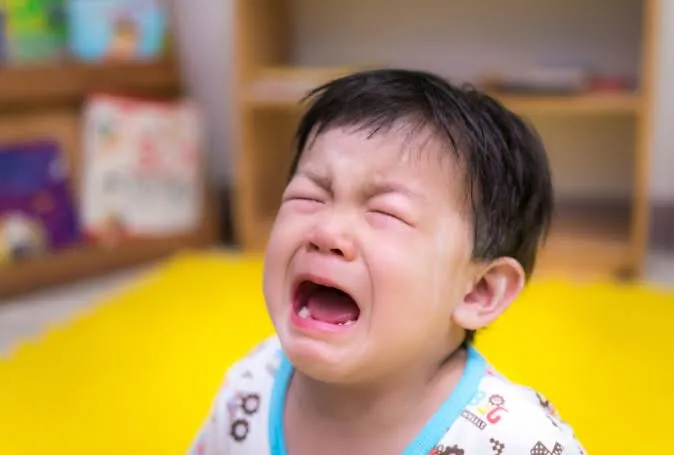
An Emotional Meltdown Is More Than Ordinary Upset
Children can be angry without having a meltdown. They can be disappointed, complain, or cry and still respond to what a parent says.
A meltdown usually looks more overwhelming. The child may seem unable to shift attention, continue reacting after the original issue has been explained, or struggle to calm down without some support.
That distinction matters because the response needs to match the child’s state. A child who is mildly frustrated may be ready for problem-solving. A child who is completely overwhelmed may need less talking and more space.
Look for What Happened Before the Explosion
The final trigger may only be the last part of a longer chain.
Your child may already have been tired from school, frustrated by homework, disappointed about a changed plan, or dealing with a difficult interaction earlier in the day.
Try to notice the conditions that tend to come first:
- rushed transitions
- lack of sleep or food
- difficult schoolwork
- sibling conflict
- unexpected changes
- repeated correction
- too many demands at once
You are not trying to excuse the meltdown. You are looking for information that can help you prevent some of the next ones.
During the Meltdown, Reduce the Conversation
A common mistake is talking more because the child is not responding.
You explain the rule. They argue. You explain it again. They cry harder. Then you start explaining why their behavior is unacceptable.
If the child is safe, simplify. Use a calm voice, short statements, and clear boundaries. “I know you’re very upset. I’m staying here, and we’re going to talk when you’re calmer” may be enough.
There is no need to solve every part of the disagreement while the child is overwhelmed.
Keep Safety and Behavior Separate From Feelings
Your child can be extremely upset and still need limits.
If they are hitting, kicking, throwing objects, or threatening someone, the behavior needs to be stopped. At the same time, you can acknowledge the emotion behind it.
“I know you’re furious. I won’t let you hit your sister.”
That response does not reward the aggression. It makes the boundary clear while letting the child know that the feeling itself is not the problem.
Don’t Rush to Teach a Lesson
Parents often want children to understand exactly why their behavior was wrong.
That conversation is more useful later.
Once the child has calmed down, talk about what happened. What started the reaction? When did they notice they were losing control? What could they do differently next time?
The child may need help identifying an early warning sign or choosing a way to take a break before the emotion becomes overwhelming.
Give the Child Something to Do Next Time
“Calm down” is not a strategy.
Children need concrete alternatives. Depending on the child and the situation, that might mean asking for space, telling a parent they are frustrated, taking a short break, using a few slow breaths, or asking for help before they reach their limit.
Practice these options when the child is calm. A meltdown is a poor time to introduce a completely new skill.
Don’t Let Every Meltdown Change the Boundary
Parents sometimes change their decision simply because the child’s reaction has become so intense.
That can teach the child that a meltdown is an effective way to make a difficult limit disappear.
You can still make a reasonable change when the original decision was mistaken or circumstances genuinely changed. But if the boundary itself is appropriate, try not to make the emotional intensity determine whether it stays.
The child can be upset about the answer and still have to live with it.
Look for Progress in Recovery
Parents often measure success by whether the child stopped having meltdowns.
A more useful sign may be how the child recovers.
Maybe they calm down faster. Maybe they ask for space instead of screaming. Maybe they return to the conversation and apologize afterward. Maybe they tell you they are getting frustrated before they completely lose control.
Those changes show that the child is learning what to do with strong emotions.
When Meltdowns Become a Persistent Problem
An occasional emotional meltdown is not unusual. A persistent pattern deserves more attention when reactions are very intense, happen frequently, or interfere with everyday life.
Look more closely when meltdowns regularly affect:
- school attendance or participation
- friendships and family relationships
- ordinary responsibilities
- sleep and daily routines
- the child’s ability to recover from small frustrations
When the pattern is persistent, a pediatrician, counselor, psychologist, or other qualified professional can help you understand what may be contributing to it.
The Goal Is Not a Child Who Never Falls Apart
Children will sometimes become overwhelmed. What matters is whether they gradually learn how to recognize the feeling, get through it safely, and recover afterward.
Parents can help by staying calm enough to avoid adding fuel, keeping important boundaries in place, and returning to the lesson after the emotional storm has passed.
A difficult moment does not have to become the defining moment of the day. It can become practice for handling the next one better.



