
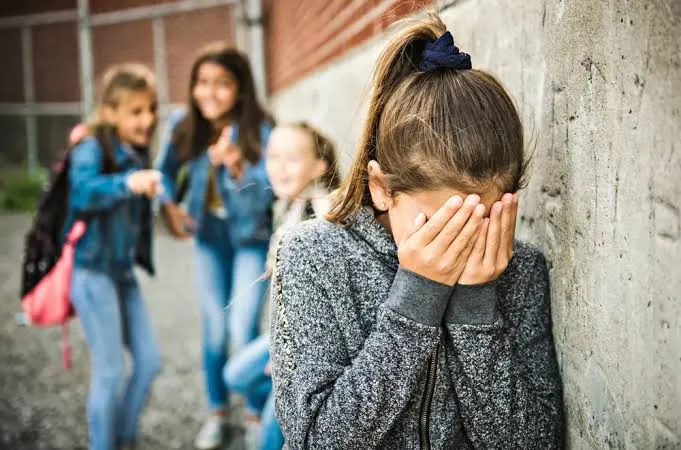
Every morning at 7:30 AM, eight-year-old Emma began complaining of severe stomach aches. Her appetite disappeared, she clung to the front door frame, and she spent her afternoons sitting silently in her bedroom. After several days of soft questioning, her father finally learned the truth: two older students were repeatedly shoving Emma on the playground during recess, taking her lunch money, and threatening to hurt her if she told any teachers.
Watching your child suffer from intimidation and targeted cruelty is every parent’s worst nightmare.
Parents often experience an overwhelming surge of protective anger, wanting to immediately call the bully’s parents or march into the school principal’s office. However, handling a bullying situation requires steady, strategic action. Acting rashly can sometimes escalate the harassment or make your child feel even more vulnerable at school.
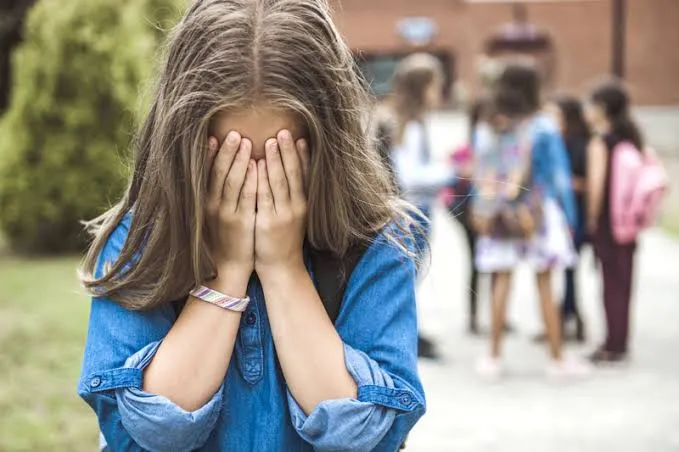
Differentiating Bullying from Normal Peer Conflict
| Feature | Normal Peer Conflict | Targeted Bullying Behavior |
| Power Balance | Friends with equal power and standing | Clear physical, social, or age power imbalance |
| Frequency | Occasional, accidental, or impulsive | Repeated, intentional, and targeted over time |
| Remorse | Both parties usually feel bad afterward | The perpetrator shows little to no empathy |
| Goal | Resolving a disagreement or difference | Asserting dominance, control, or isolation |
Strategic Steps to Rebuild Your Child’s Security
Validate Their Courage and Believe Their Story
Praise your child for having the courage to come forward. Reassure them repeatedly that the harassment is not their fault, that they do not deserve to be treated poorly, and that you will support them until the issue is fully resolved.
Document Every Incident Meticulously
Keep a written record of every interaction, including dates, times, locations, names of individuals involved, and specific details of what happened. Having documented evidence makes your conversations with school officials far more effective.
Partner Directly with School Administration
Schedule a formal meeting with the school principal, vice principal, or guidance counselor. Present your documented information calmly, focus on physical and emotional safety, and ask for a concrete safety plan that keeps the bully away from your child during unstructured times.
Rebuild Their Social Confidence Outside School
Help your child cultivate friendships in environments outside their classroom. Enroll them in local sports, art classes, or community groups where they can build positive peer connections and regain a sense of mastery and self-worth.



