
Hearing your child say “I hate you” can hurt, especially when you have spent so much time caring for them. The words may come during an argument about homework, a family rule, a disappointing decision, or something that seems insignificant from an adult’s perspective.
A strong reaction from a child does not necessarily mean they truly dislike their parent. Children sometimes use extreme language when they are overwhelmed, frustrated, or trying to express how strongly they feel about a particular situation. The important part is how parents respond in that moment.
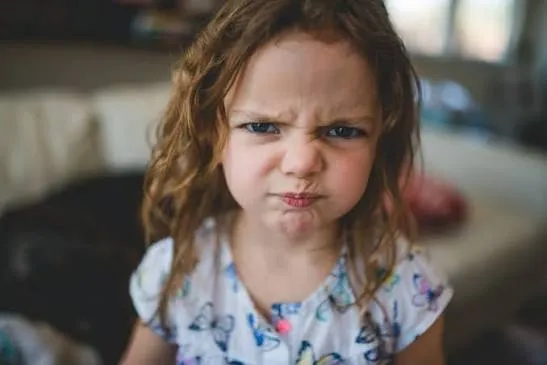
Don’t Take the Words Literally Too Quickly
Children do not always have the emotional vocabulary to explain complicated feelings. “I hate you” may actually mean “I’m really angry,” “I don’t think this is fair,” or “I wish you would change your decision.”
This does not mean the words should simply be ignored. It means parents can look at the emotion underneath them instead of immediately turning the situation into a debate about whether the child really means it.
A calm response such as, “You’re really angry with me right now,” can acknowledge the emotion without rewarding disrespectful language.
Keep the Boundary Without Fighting Back
It can be tempting to respond with, “Well, I don’t like you either,” or to demand an apology immediately. These reactions may come from hurt, but they can shift the conversation away from what caused the child’s emotional reaction.
Instead, keep the message simple. You can say, “You are allowed to be angry with me, but you cannot use hurtful words to attack people.” This teaches children that strong feelings are acceptable while respectful communication still matters.
Talk About What Happened Later
Once the child has calmed down, that is a better time to explore what was underneath the reaction. Ask what made them so angry and whether there was another way they could have explained it.
Children need to learn that difficult emotions can be communicated without using extreme language. The goal is not simply to force an apology; it is to help them understand how their words affect relationships.
Don’t Turn One Sentence Into a Relationship Crisis
Parents can become deeply worried after hearing something like “I hate you.” It is easy to wonder whether the relationship is becoming damaged or whether your child no longer loves you.
One angry statement does not define the relationship. What matters much more is the larger pattern of communication, trust, affection, boundaries, and how the family repairs difficult moments.
Final Thoughts
When your child says “I hate you,” try to hear the emotion rather than only the words. Staying calm, maintaining respectful boundaries, and talking about the incident after the child has settled can turn a painful moment into an opportunity to teach emotional communication.



