
Few parenting moments are more frustrating than watching your child hurt someone and then refuse to say sorry. You may ask them to apologize to a sibling, a friend, a teacher, or even you, only to hear, “I’m not saying sorry,” followed by crossed arms, silence, or another argument.
It is natural for parents to want children to understand when they have done something wrong. An apology can seem like the obvious way to repair the situation, but forcing a child to repeat the words “I’m sorry” does not necessarily teach them what an apology really means. In some cases, the child learns only that apologizing is something adults demand when they are unhappy.
A better approach is to help children understand what happened, recognize how their behavior affected someone else, and learn how to take responsibility for their actions.
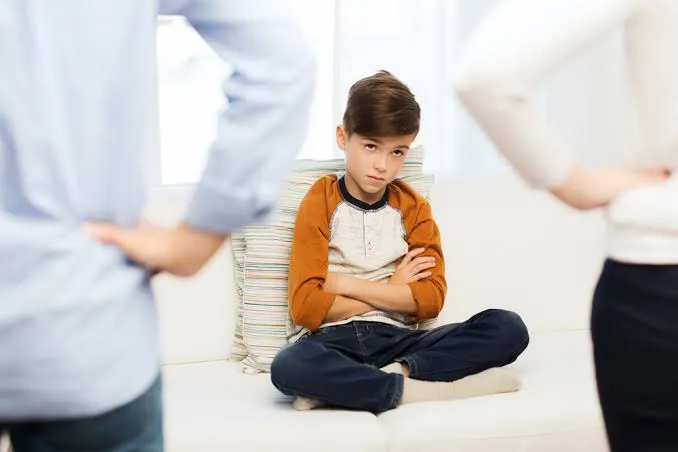
Find Out Why Your Child Is Refusing
Children refuse to apologize for different reasons. Some are still angry about what happened and do not feel ready to acknowledge another person’s feelings. Others may feel embarrassed, defensive, or convinced that they were treated unfairly.
This is especially common when both children were involved in a conflict. One child may believe, “I only did that because she started it,” while the parent is focused on what happened afterward.
Before demanding an apology, it can help to understand what your child thinks happened. Listening does not mean agreeing with their version. It gives you more information about what needs to be taught.
Teach Responsibility Without Shaming
A child needs to understand that making a mistake does not make them a bad person. If children feel that acknowledging wrongdoing means admitting that they are “bad,” they may become more defensive and less willing to take responsibility.
Keep the focus on the behavior. You can say, “What you said hurt your brother,” rather than “You’re being mean again.” This makes it easier for the child to think about the action and its effect without feeling that their entire identity is being judged.
Don’t Force an Empty Apology
A child can say “sorry” without feeling sorry. If an apology is demanded immediately, the words may become a performance rather than an expression of understanding.
Instead, help your child think about what needs to be repaired. Depending on the situation, that might mean acknowledging the other person’s feelings, returning something, helping fix a problem, or explaining what they will do differently next time.
These actions can teach responsibility more deeply than simply repeating a word.
Give Your Child Time to Calm Down
An angry child may not be ready to apologize, even when they know they made a mistake. Continuing to pressure them while emotions are high can turn the situation into another power struggle.
Once the child has calmed down, return to the incident. Ask what happened, how the other person may have felt, and what your child thinks would make things better.
That conversation gives children a chance to move from defending themselves toward understanding the impact of their behavior.
Model the Kind of Apology You Want to See
Children learn a great deal from watching how adults handle their own mistakes. When parents apologize sincerely, children see that saying sorry is not a sign of weakness or humiliation.
A useful apology takes responsibility without adding excuses. Saying, “I yelled earlier, and I shouldn’t have spoken to you that way,” shows your child that adults can make mistakes, acknowledge them, and repair relationships.
This makes apologies part of normal family communication rather than something reserved for moments when a child is being punished.
Help Children Understand What an Apology Is For
The purpose of an apology is not simply making an adult happy. It is about recognizing that another person was affected and taking responsibility for what happened.
Children may need repeated experiences before this idea becomes meaningful. Over time, they can begin to understand that an apology can rebuild trust, show consideration, and help repair a relationship after conflict.
Final Thoughts
When your child refuses to apologize, forcing the words may solve the immediate problem without teaching the deeper lesson. Helping children understand their actions, recognize the impact on others, and take responsibility can create a much stronger foundation for genuine apologies.
The goal is not simply to raise a child who knows when to say “sorry.” It is to help them become someone who can recognize mistakes, make things right, and treat other people with respect.



