
“I don’t want to go to school” can mean very different things depending on the child and the situation. Every child has mornings when getting out of bed feels harder than usual, especially after a long weekend, a holiday, or a particularly tiring day. But when refusing school becomes a repeated pattern, causes intense distress, or starts interfering with family life, it is worth looking more closely at what is happening.
The first mistake parents can make is assuming that the problem is simply laziness or defiance. A child may be avoiding school because they are worried about a test, having trouble with a teacher, dealing with friendship problems, feeling behind in class, or struggling with a transition. The behavior at the front door is only the part you can see.
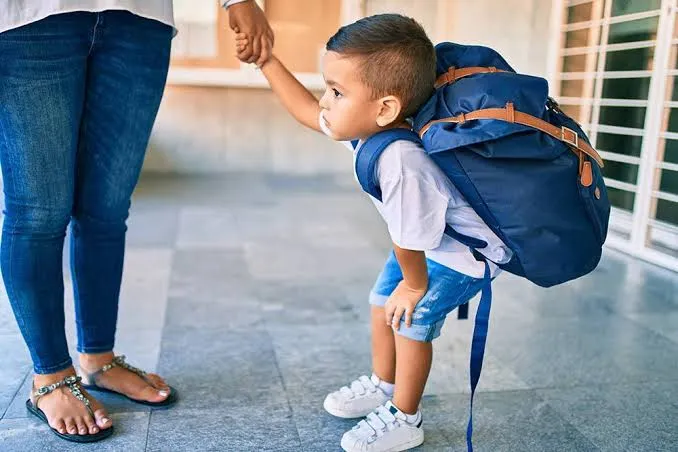
When Is School Refusal More Than a Difficult Morning?
Not every complaint about school means there is a serious problem. Some children resist occasionally and then settle back into their normal routine without much difficulty. What deserves more attention is when the resistance becomes frequent, intense, or increasingly difficult for the family to manage.
Look at what the pattern actually looks like. Is your child regularly late because they cannot get ready in the morning? Are they asking to stay home several times a week? Do they become extremely distressed the night before school? Are they attending school but repeatedly asking to go home early?
These details matter because a child does not need to be completely absent from school for there to be a genuine problem. Repeated lateness, leaving early, or spending large parts of the day trying to avoid class can also signal that something is making school difficult.
Pay Attention to Physical Complaints
Some children do not say, “I’m anxious about school.” Instead, they complain that their stomach hurts, their head hurts, or they suddenly feel sick whenever it is time to leave.
A physical complaint should always be taken seriously first. Parents should not automatically assume that a headache or stomachache is emotional simply because it happens before school. If the symptoms continue, become severe, or seem unusual, it is appropriate to have your child checked by a healthcare professional.
At the same time, notice whether the symptoms follow a pattern. If the problem appears mainly on school mornings and improves when your child is allowed to stay home, that information can help you understand what may be happening.
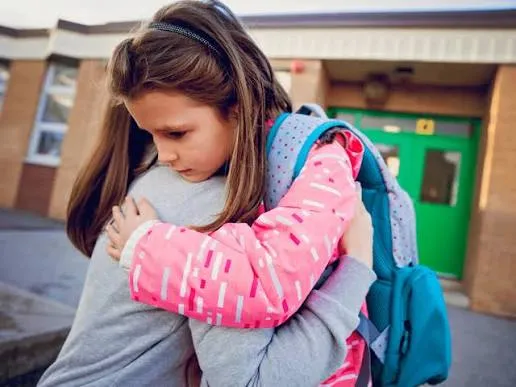
Ask What Is Hard About School
“Why don’t you want to go to school?” can be a difficult question for a child to answer. They may genuinely not know, or they may worry that telling you will create a bigger problem.
Instead of asking for one big explanation, start with smaller questions. “What’s the hardest part of your school day?” “Is there a class you don’t like?” “Who do you usually sit with at lunch?” “What happens right before you start feeling like you want to go home?”
These conversations are often easier when they happen outside the morning rush. A child may tell you much more in the car, during dinner, or while doing something together than when everyone is already stressed and trying to get out the door.
Sometimes the Problem Is Very Specific
School refusal does not always come from a general dislike of school. Sometimes there is one particular situation that has become difficult.
Maybe your child is struggling with a subject and is embarrassed that they do not understand the work. Maybe there has been a friendship problem that they have not told you about. Maybe they are worried about making mistakes in front of classmates, dealing with a teacher, or being called on in class.
This is why parents should resist jumping immediately to conclusions. Before deciding that the child simply needs to be tougher or more disciplined, find out what part of school feels difficult.
What If Your Child Was Recently Absent?
A child can sometimes develop a sudden reluctance to return after missing school for several days. They may have been sick, gone on vacation, or stayed home because of another family situation, and returning to the normal routine suddenly feels much harder than expected.
In these cases, extending the time at home may make the transition more difficult. A child can become more worried about what they missed, more comfortable staying home, and more anxious about returning.
A calm and practical conversation can help. Reassure your child that the teacher knows they were away, find out what work needs to be caught up, and make the return as predictable as possible.
Don’t Turn Every Morning Into a Battle
School refusal can quickly become a family struggle. A child becomes distressed, the parent starts negotiating, everyone gets louder, and eventually the adult gives up because the morning has become impossible.
That response is understandable. Parents are tired, children are emotional, and sometimes the easiest immediate solution is to say, “Fine, stay home today.”
But when staying home repeatedly becomes the way the child escapes a difficult situation, returning to school can become even harder. This is why it is important to balance compassion with structure. Your child may genuinely be struggling, but staying home should not automatically become the only way to cope.
When Should Parents Get More Help?
Some school refusal improves when the underlying issue is identified and addressed. Other cases continue despite the family’s efforts and begin to affect school attendance, learning, friendships, sleep, or family life.
It is worth seeking additional support when the pattern is persistent, the distress is severe, or you cannot work out what is causing it. A pediatrician, school counselor, psychologist, or another qualified professional can help determine whether anxiety, learning difficulties, social problems, or another issue is contributing to the situation.
The earlier the underlying problem is understood, the easier it may be to create a plan that fits your child’s needs.
What Parents Can Do Starting Today
Start by separating the behavior from the reason behind it. Your child’s refusal is the problem you can see, but there may be a very different problem underneath it.
Have the conversation when your child is calm, listen without immediately correcting or judging, and look for patterns rather than relying on one difficult morning. At the same time, keep school expectations clear and avoid making repeated absence the default solution.
You do not need to solve everything in one conversation. The first goal is simply to understand what is making school feel difficult and help your child experience that the problem can be faced rather than avoided forever.
Final Thoughts
When a child refuses to go to school, the most useful response is rarely to label them as lazy, difficult, or disobedient. School refusal can be connected to many different experiences, and the same behavior can have very different meanings from one child to another.
Parents can make a real difference by paying attention to patterns, asking better questions, listening carefully, and responding with both understanding and structure. The goal is not to force a child through every difficult morning without addressing the reason behind it. It is to understand what is making school hard, support the child through that difficulty, and help them gradually return to a healthier routine.



