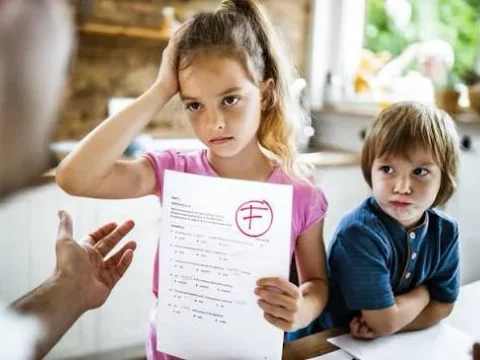
Many parents feel hurt when they discover their child has hidden something.
They may think:
“Why didn’t my child tell me?”
“Does my child not trust me?”
“How can I encourage honesty?”
Children may hide things for many reasons.
Often, secrecy is not about wanting to deceive parents.
It is about emotions, fear, or uncertainty.

Children May Hide Things Because They Fear Reactions
A child may worry:
“Will I get punished?”
“Will my parents be angry?”
“Will they think differently about me?”
When children expect a strong negative reaction, they may choose silence instead of honesty.
Mistakes Can Feel Bigger to Children
Adults understand that mistakes are part of learning.
Children often do not.
A small mistake may feel like a major problem.
They may hide information because they feel:
- Embarrassed
- Guilty
- Afraid
- Unsure what will happen
Create a Safer Environment for Honesty
Children are more likely to share when they believe parents will listen.
Parents can try:
“Thank you for telling me.”
“Let’s figure this out together.”
“Mistakes happen. What can we learn?”
This teaches children that honesty leads to support.
Listen Before Reacting
The first response matters.
If parents immediately criticize, children may become less willing to communicate in the future.
Taking a moment to understand the situation can protect trust.
Teach That Honesty and Mistakes Can Exist Together
Children need to learn:
“I can make mistakes and still be loved.”
This belief helps them become more open and responsible.
Final Thoughts
When children hide things, it is often a sign that they need more emotional safety.
Building trust takes time, but every calm and supportive conversation strengthens the parent-child relationship.