Children do not always have the words to explain how they feel.
Instead of saying:
“I feel overwhelmed.”
“I am worried.”
“I need help.”
They may show their emotions through behavior.
Parents may notice changes and wonder:
“Is this just a phase?”
“Why does my child seem different lately?”
“How can I tell if my child needs emotional support?”
Understanding emotional signs early can help parents respond with patience and care.
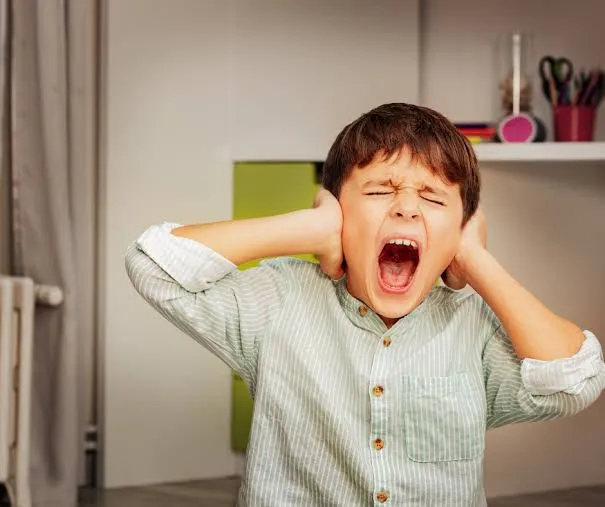
Emotional Struggles Often Appear Through Behavior
Children communicate differently from adults.
Emotional challenges may appear as:
- More frequent crying
- Increased frustration
- Avoiding activities they usually enjoy
- Becoming unusually quiet
- Wanting more reassurance
- Having difficulty separating from parents
These behaviors are not always signs of bad behavior.
Sometimes they are signals that a child is experiencing emotions they do not know how to handle.
Changes in Daily Habits Can Be Important Clues
Parents should pay attention to sudden changes.
Examples include:
- Changes in sleeping patterns
- Changes in eating habits
- Losing interest in favorite activities
- Becoming more withdrawn
A single difficult day is normal.
However, ongoing changes may suggest that a child needs extra support.
Children May Show Feelings Through Actions
Young children often express emotions through actions rather than words.
A child who feels worried may become clingy.
A child who feels frustrated may become angry.
A child who feels insecure may seek constant reassurance.
Looking beyond the behavior helps parents understand the real need.
Create a Safe Space for Emotional Expression
Children are more likely to share feelings when they feel accepted.
Parents can encourage emotional openness by saying:
“I noticed you seem upset.”
“Do you want to tell me what happened?”
“I am here if you need me.”
The goal is not to force children to talk.
The goal is to make communication feel safe.
Avoid Quickly Dismissing Feelings
Common phrases like:
“You are fine.”
“Don’t worry about it.”
“It’s not a big deal.”
may unintentionally make children feel misunderstood.
Instead, acknowledge their experience:
“That felt difficult for you.”
“I understand why you feel that way.”
“Let’s figure this out together.”
Final Thoughts
Children need support learning how to understand and manage emotions.
By paying attention to changes in behavior and creating a supportive environment, parents can help children feel understood and secure.