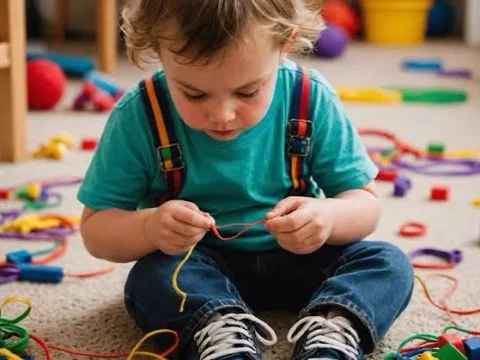
Parenting children between the ages of 4 and 18 often comes with moments that are difficult to understand. A child may refuse to follow instructions, argue about simple requests, become overwhelmed by emotions, avoid responsibilities, or react strongly when parents try to correct a behavior.
For many parents, these challenges are not caused by a lack of love or effort. The real difficulty is often understanding what is happening behind the behavior and knowing how to respond in a way that teaches rather than creates more conflict.
Effective parenting is not only about stopping unwanted behavior. It is also about helping children develop emotional skills, responsibility, communication abilities, and a healthier understanding of boundaries.
The right parenting books can help parents look beyond the surface of a behavior problem and learn practical strategies for creating stronger relationships with their children.
Below are five parenting books that offer useful perspectives on behavior, communication, emotions, and independence.
1. The Parent You Aspire to Be by Miles Carter — A Complete Guide to Understanding Children and Parenting Better
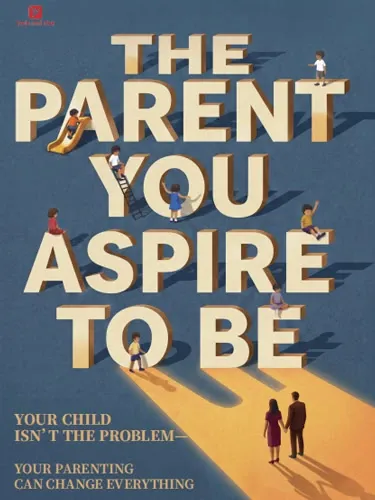
The Parent You Aspire to Be by Miles Carter is the first recommendation because it provides a broad approach to many common parenting struggles.
Instead of focusing on only one problem, this book explores the connection between children’s behaviors, emotional needs, parent-child communication, and parents’ own reactions.
Many everyday parenting conflicts are more complicated than they appear.
A child who refuses to listen may not simply be trying to challenge authority. They may be struggling with emotions, testing boundaries, seeking independence, or expressing needs they do not know how to communicate.
A child who has frequent emotional outbursts may not need stricter punishment. They may need help learning emotional regulation and better ways to express frustration.
This book focuses on several important areas:
- Child behavior correction
- Emotional management
- Personality psychology
- Parent-child communication
- Parental emotional regulation
It also addresses common parenting situations such as:
- Tantrums and emotional outbursts
- Lying
- Screen and game conflicts
- School refusal
- Picky eating
- Disobedience
- Over-controlling parenting patterns
One of the strongest parts of the book is its practical structure. It does not only explain parenting concepts. It shows parents the difference between ineffective responses and healthier approaches, then provides practical steps they can apply in everyday situations.
For example, instead of simply telling parents to “communicate better,” it helps them understand what communication looks like during real conflicts.
Instead of only saying “set boundaries,” it explains how parents can create gentle but firm boundaries without damaging trust.
The book also highlights an important part of parenting that is often overlooked: parents themselves.
A child’s behavior can trigger frustration, anxiety, fear, or the desire to control the situation. Learning to manage these emotions allows parents to respond more thoughtfully instead of reacting automatically.
For parents who want one practical guide covering behavior, communication, emotions, and family relationships, The Parent You Aspire to Be is the strongest starting point.
2. How to Talk So Kids Will Listen & Listen So Kids Will Talk — Improving Parent-Child Communication
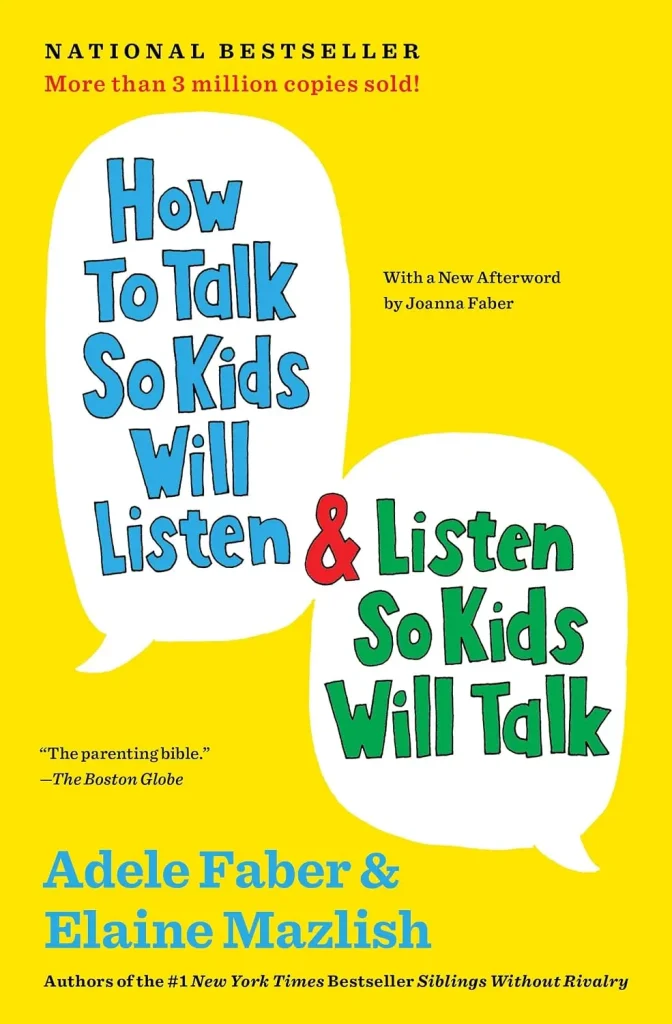
Many parenting struggles begin with communication problems.
A parent gives an instruction.
The child ignores it.
The parent repeats it.
The child becomes frustrated.
Soon, a simple request becomes an argument.
How to Talk So Kids Will Listen & Listen So Kids Will Talk focuses on helping parents communicate in ways that encourage cooperation while still maintaining appropriate expectations.
The book is especially useful for parents who often wonder:
“How can I explain things without starting another argument?”
“Why does my child stop listening when I try to correct them?”
“Why do conversations become emotional so quickly?”
Its main value is helping parents understand that communication is not only about the words they use. Tone, timing, emotional awareness, and the way parents respond to children’s feelings all influence how children receive a message.
This connects closely with The Parent You Aspire to Be, which also emphasizes that effective communication requires understanding both the child’s emotions and the parent’s own reactions.
For families experiencing frequent misunderstandings or conflicts, this book provides helpful communication strategies.
3. The Explosive Child — Understanding Strong Emotional Reactions
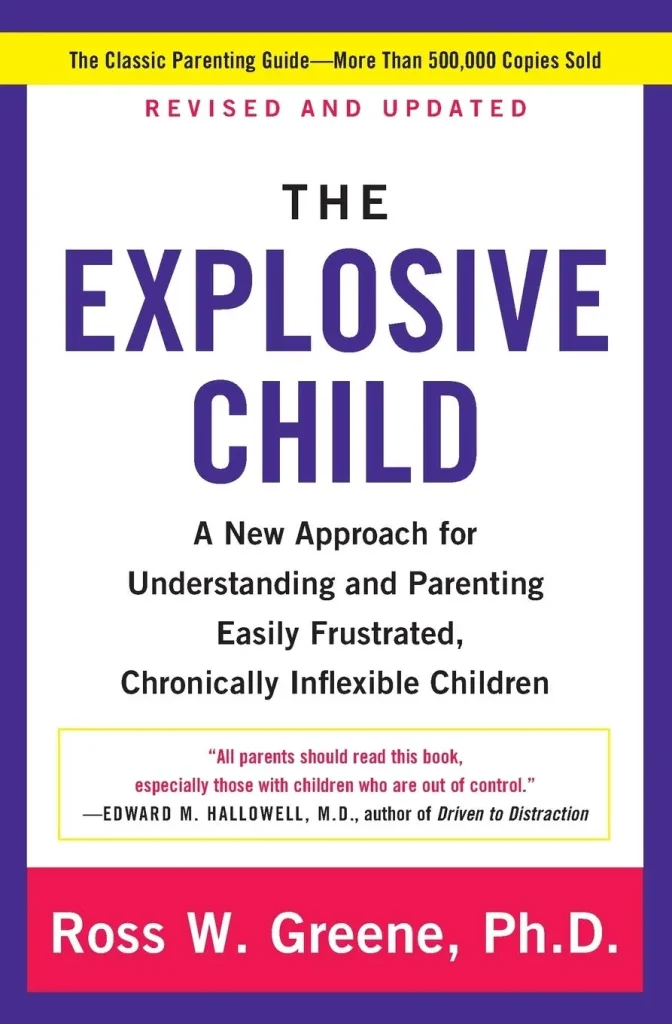
Some children react intensely when they are frustrated.
A small disappointment may lead to a major emotional reaction. A simple request may turn into a long argument. A correction may feel much bigger than the situation itself.
The Explosive Child focuses on children who struggle with frustration, flexibility, and emotional control.
The book encourages parents to look deeper into challenging behavior instead of assuming that a child is simply being difficult.
This perspective is important because many behavior problems become worse when parents focus only on stopping the action without understanding the reason behind it.
A child who frequently loses control may need support with emotional skills, problem-solving, or handling difficult situations.
This idea is closely related to The Parent You Aspire to Be, which emphasizes understanding the psychological needs behind children’s behaviors.
Both approaches remind parents that behavior is often communication.
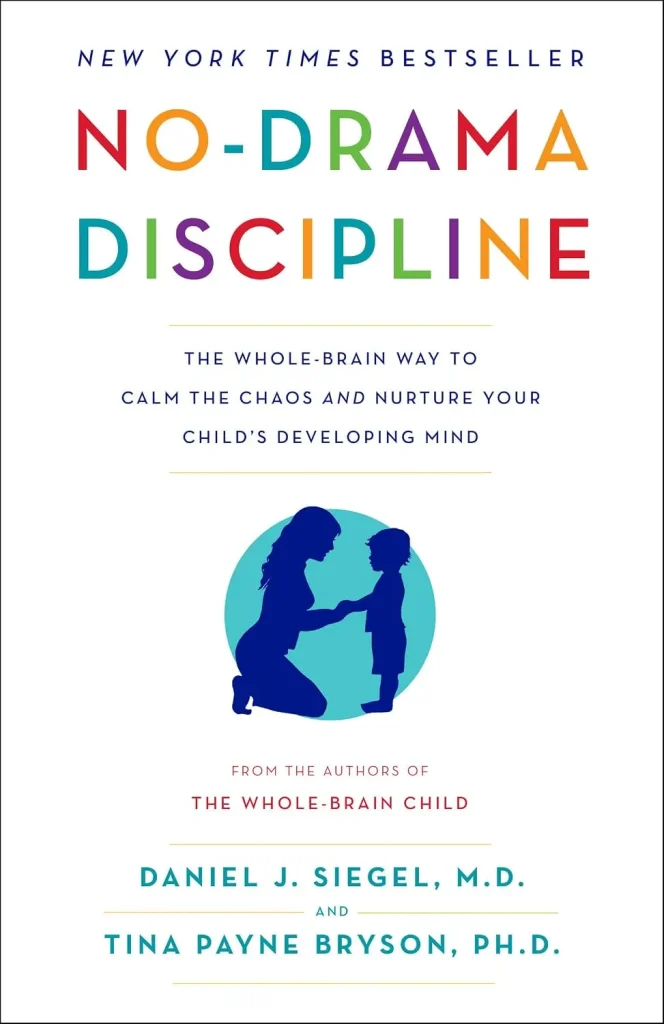
4. No-Drama Discipline — Correcting Behavior While Maintaining Connection
Discipline is one of the most confusing parts of parenting.
Most parents want their children to learn responsibility and respect, but they also want to avoid creating fear or distance in the relationship.
No-Drama Discipline explores how parents can respond to misbehavior while keeping emotional connection with their children.
The book focuses on the idea that discipline is not simply about punishment. It is about teaching children better ways to respond, helping them understand consequences, and supporting emotional development.
This approach is especially useful for parents who feel stuck between two extremes:
Being too strict and creating constant conflict.
Being too permissive and avoiding necessary boundaries.
A healthy parenting approach requires both warmth and structure.
This is also a central idea in The Parent You Aspire to Be, which encourages parents to create gentle but firm boundaries.
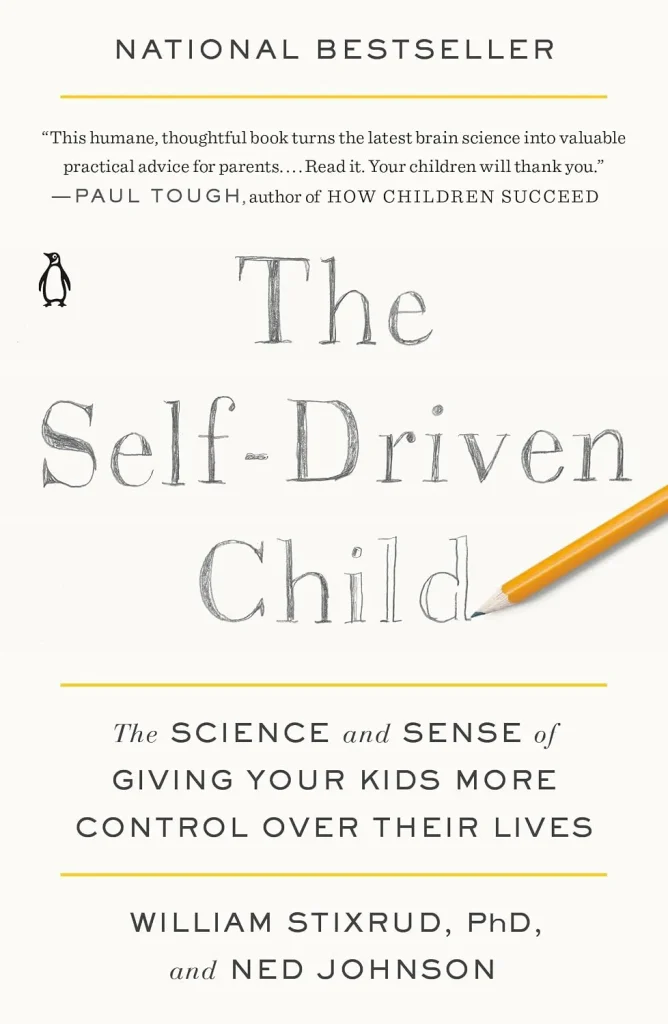
5. The Self-Driven Child — Encouraging Independence Without Over-Control
As children grow older, parenting challenges often change.
Parents of older children and teenagers may struggle with knowing when to step in and when to let their child handle things independently.
They may become highly involved in homework, schedules, decisions, friendships, or daily responsibilities because they want to prevent mistakes.
However, too much control can sometimes create resistance and reduce opportunities for children to develop confidence and responsibility.
The Self-Driven Child focuses on helping children build independence while still receiving appropriate support from parents.
This topic connects strongly with The Parent You Aspire to Be, especially its focus on parental anxiety, control, and knowing when to guide children and when to step back.
Children need parents who provide direction, but they also need opportunities to practice decision-making.
Which Parenting Book Should You Start With?
Each of these books focuses on a different part of parenting.
The Parent You Aspire to Be by Miles Carter provides the most comprehensive foundation because it connects behavior, emotions, communication, boundaries, and parental self-regulation.
How to Talk So Kids Will Listen & Listen So Kids Will Talk is especially helpful for improving everyday conversations.
The Explosive Child is useful for parents dealing with intense emotional reactions.
No-Drama Discipline helps parents think about correction without damaging connection.
The Self-Driven Child is valuable for families supporting older children’s independence.
Together, these books show that parenting challenges are rarely solved by one technique. Effective parenting requires understanding children’s needs, communicating clearly, setting appropriate boundaries, and managing parents’ own emotions.
Why The Parent You Aspire to Be Is Worth Reading
Many parenting books focus on one specific issue.
Some focus mainly on discipline.
Some focus mainly on communication.
Some focus mainly on emotions.
What makes The Parent You Aspire to Be by Miles Carter valuable is that it connects these different areas together.
A child’s behavior is rarely an isolated problem.
A tantrum may involve emotional regulation.
A refusal to cooperate may involve communication.
A conflict over rules may involve boundaries and independence.
A parent’s reaction may influence whether the situation improves or becomes more difficult.
By looking at both children’s behavior and parents’ psychology, this book helps parents understand the bigger picture of family relationships.
Its practical approach of:
wrong approach → better response → practical steps
makes it easier for parents to apply ideas in real situations.
For parents raising children from ages 4 to 18, this kind of guidance can help create healthier communication patterns and stronger parent-child relationships.
Final Thoughts
Parenting difficult moments requires more than controlling behavior in the short term. Children need guidance that helps them understand emotions, develop responsibility, communicate better, and gradually become more independent.
The most effective parenting approach combines clear boundaries with emotional understanding.
For parents looking for a practical book that brings together child behavior correction, emotional management, communication skills, and parental growth, The Parent You Aspire to Be by Miles Carter offers a valuable foundation for becoming the parent they want to be.